قام أحد كبار عملاء النفط في جنوب أفريقيا بنشر صمام الستارة المنزلق DVS في نظام أنابيب متعدد الوسائط يتطلب تبديلًا متكررًا بين المنتجات النفطية والغاز الطبيعي والمذيبات الكيميائية. منذ تركيبه، حقق النظام تشغيلًا مستقرًا دون أي تسريب. وقد أدى تشغيل الصمام أثناء التشغيل تحت الضغط إلى إلغاء الحاجة تمامًا إلى إيقاف التشغيل وتخفيض الضغط، مع تحسين سلامة الصيانة في الموقع بشكل ملحوظ.
العميل شركة كبيرة لمعالجة وتخزين النفط في جنوب أفريقيا. وتشهد شبكة خطوط الأنابيب التابعة لها تحولاً متكرراً بين وسائط متعددة، تشمل المنتجات النفطية والغاز الطبيعي والمذيبات الكيميائية. ونظراً للاختلافات الكبيرة في خصائص هذه الوسائط، يفرض النظام متطلبات بالغة الأهمية على أداء إحكام صمامات منع التسرب، ومقاومة التآكل، والسلامة التشغيلية.
أثناء استخدام الأساليب التقليدية صمام بوابة فيما يتعلق بصمامات الكرة، واجه العميل المشكلات التشغيلية الحرجة التالية على المدى الطويل:
|
نوع الإصدار |
أداء صمامات البوابة / الكروية التقليدية |
الأثر التشغيلي الفعلي |
|
فشل في منع التسرب وتسريب داخلي |
تتدهور موانع التسرب بمرور الوقت ولا يمكنها ضمان عدم التسرب على الإطلاق. |
يُشكل تسريب المعلومات الإعلامية مخاطر جسيمة على السلامة والبيئة. |
|
يلزم إيقاف التشغيل وخفض الضغط لأغراض الصيانة |
يجب تفريغ خطوط الأنابيب بالكامل من الضغط قبل إجراء الصيانة. |
فترات توقف طويلة وخسائر إنتاجية كبيرة |
|
عدم القدرة على تحقيق عزلة إيجابية حقيقية |
يعتمد العزل على مكونات مانعة للتسرب ذات موثوقية محدودة |
خطر التلوث المتبادل أثناء تبديل الوسائط |
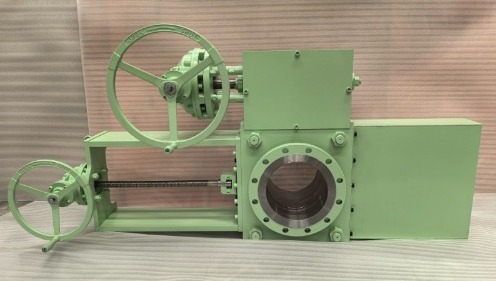
طلب العميل تحديداً حلاً للصمامات يمكنه:
● التشغيل دون الاعتماد على موانع التسرب
● دعم العمليات تحت الضغط
● توفير عزلة جسدية مطلقة
يستخدم صمام DVS المنزلق ذو الغطاء المانع للتسرب صفيحة صلبة لسد ممر السائل فعليًا. هذا التصميم يزيل بشكل جذري المخاطر المرتبطة بالصمامات التقليدية التي تعتمد على مانع التسرب. وقد لعبت المزايا التقنية الأربع التالية دورًا رئيسيًا في حل التحديات التشغيلية التي واجهها العميل:
تعمل الصفيحة الصلبة العمياء على منع تدفق الوسائط بشكل مباشر، مما يمنع مشاكل تلف مانع التسرب وتلفه. وهذا يضمن أداءً خالياً من التسرب تماماً في جميع ظروف التشغيل.
يمكن للصمام التبديل بين وضعيتي الفتح والإغلاق مع بقاء النظام مضغوطًا. لا يتطلب الأمر تخفيف الضغط أو إيقاف الإنتاج، مما يقلل بشكل كبير من وقت التوقف ومخاطر السلامة التشغيلية.
يُظهر مؤشر الوضع الخارجي بوضوح ما إذا كان الصمام مفتوحًا أم مغلقًا. ويمكن للمشغلين التحقق من حالة الصمام على الفور، مما يقلل بشكل كبير من مخاطر الأخطاء التشغيلية.
يأتي الصمام مزودًا بعجلة يدوية أو محرك تروس دودي كمعيار أساسي. حتى في التطبيقات ذات الأحجام الكبيرة والضغط العالي، يظل التشغيل سلسًا وسهل التحكم. كما تعمل آلية منع التشغيل الخاطئ المدمجة على تحسين سلامة التشغيل.
|
عنصر المقارنة |
صمام بوابة / صمام كروي تقليدي |
|
|
طريقة العزل |
يعتمد ذلك على نوع الأختام، سواء كانت لينة أو معدنية. |
عزل مادي باستخدام لوحة صلبة مغلقة بدون موانع تسرب |
|
خطر التسرب |
يحدث التسرب الداخلي مع تقدم عمر موانع التسرب |
انعدام التسريب الهيكلي طوال فترة الخدمة |
|
طريقة الصيانة |
يتطلب إيقاف التشغيل وتخفيض الضغط |
يدعم التشغيل عبر الإنترنت تحت الضغط |
|
ملاءمة الوسائط المتعددة |
ارتفاع خطر التلوث المتبادل |
يمنع التعقيم المطلق التلوث |
|
الرؤية التشغيلية |
حالة الصمامات ليست واضحة بسهولة |
يوفر المؤشر الخارجي عرضًا واضحًا للحالة |
منذ بدء تشغيله، عمل صمام DVS المنزلق الأعمى في ظل ظروف تبديل متكررة تشمل المنتجات النفطية والغاز الطبيعي والمذيبات الكيميائية دون وقوع أي حادث تسرب.
تشمل النتائج التشغيلية الرئيسية ما يلي:
● تشغيل كامل عبر الإنترنت تحت الضغط دون توقف أو انخفاض في الضغط
● انخفاض كبير في مخاطر الصيانة وصعوبة التشغيل
● انخفاض ملحوظ في وتيرة الصيانة
أفاد فريق الصيانة التابع للعميل في الموقع بتحقيق تحسينات كبيرة في كل من السلامة التشغيلية وكفاءة الصيانة.
بفضل قدرتها المطلقة على العزل المادي، فإن صمام DVS المنزلق ذو الغطاء مناسب بشكل خاص للصناعات التي تتطلب إحكامًا عالي الموثوقية وعزلًا آمنًا:
خطوط أنابيب النفط الخام، وخزانات تخزين المنتجات المكررة، وأنظمة نقل الغاز الطبيعي التي تتطلب تبديل الوسائط وعزل الصيانة.
خطوط الأنابيب التي تنقل المذيبات الكيميائية والأحماض والقلويات حيث لا يمكن التسامح مع التلوث المتبادل.
أنظمة نقل النفط متعددة المنتجات التي تتطلب تبديل الوسائط بشكل متكرر وعزل خط الأنابيب بشكل كامل.
خطوط أنابيب الهيدروجين والنيتروجين والأكسجين وغيرها من الغازات الصناعية حيث يعتبر انعدام التسرب أمراً بالغ الأهمية لسلامة التشغيل.


حقوق النشر © 2015-2026 DERVOS VALVE CO.,LTD.كل الحقوق محفوظة مدونة / خريطة الموقع / XML / سياسة الخصوصية