A check valve slams after pump shutdown when flow reverses before the closure member reaches its seat. The valve then stops that reverse velocity abruptly, creating a pressure wave through the piping. The damaging event is usually the rapid arrest of the liquid column, not simply the disc hitting the seat. A “non-slam” label alone is not a solution; the valve response must suit the system's flow deceleration. The Valve Is Closing Too Late for the Shutdown Transient When pump torque disappears, forward velocity falls. Static head, a pressurised common header or another running pump may then drive liquid back toward the stopped pump. If inertia and hinge friction keep a conventional swing disc open through zero flow, reverse velocity develops before the disc reaches its seat. High static lift, a steep rising main, short pump coast-down, parallel pumps and high initial velocity can accelerate this reversal. A long-stroke or high-inertia valve is more likely to lag. This is why the same valve may run quietly in one system and slam in another: nominal size and pressure class do not define shutdown behaviour. Confirm the Event Before Changing the Valve A single hard bang after shutdown points toward check-valve closure or another surge event. Continuous clicking during forward flow is chatter, which more often indicates unstable partial opening, pulsation or poor hydraulic sizing. Record the stop command, motor speed decay, flow direction and pressures on both sides of the valve on a common time base. A high-speed video of an external lever or position indicator can help show when the valve closes. For consequential systems, fast pressure logging is more reliable than sound alone. Inspect the hinge, shaft, spring and seat for friction, wear, deposits or damage, and verify the permitted installation orientation. Check pipe supports as well; the pressure wave may produce its loudest noise away from the valve. Non-Slam Designs Use Different Closing Strategies An axial-flow or nozzle check valve uses a light, centrally guided disc, short travel and spring assistance. It begins closing as forward flow falls, ideally seating before appreciable reversal. It is a strong candidate for rapid pump trips, but pressure loss, cracking pressure, minimum stable flow, orientation and tolerance of solids still matter. A spring-assisted dual-plate valve uses two lighter plates and shorter travel than a conventional swing disc. Its compact construction can improve response, but “dual plate” does not mean slam-free. Plate inertia, spring torque, size and mounting position remain relevant. Tilting-disc, resilient-hinge and spring-assisted swing designs reduce travel or assist closure while retaining a relatively open flow path. They can suit large water lines where energy loss matters, provided dynamic data supports the selected design and size. L...
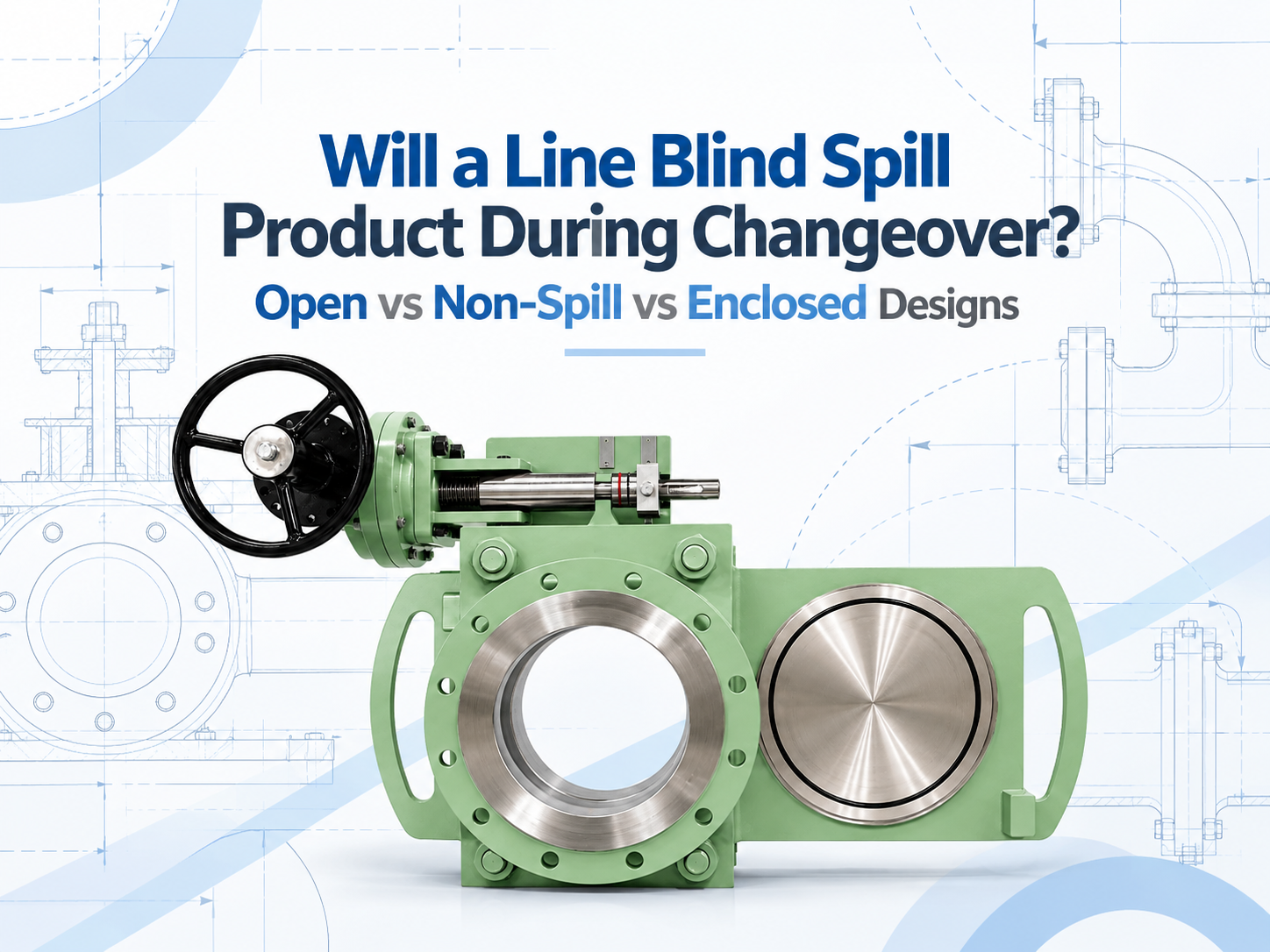
نعم، يمكن لستارة الأنابيب ذات الهيكل المفتوح أن تطلق منتجًا متبقيًا عندما تتغير بين الوضعين المفتوح والمسدود. والتصميم المانع للانسكاب لا يجعل تلك بقايا تختفي؛ بل يلتقط السائل في حاوية جزئية ويوجهه إلى تصريف. يمكن للتصميم المغلق أن يوفر تحكمًا أفضل في السائل والبخار، ولكن فقط عندما تكون وصلات الهيكل والتصريف والتفريغ والتطهير مصممة خصيصًا لهذه الخدمة. لا ينبغي قراءة أي من هذه التسميات كتصريح بتحريك الستارة تحت ضغط الخط الحي. لماذا يمكن للمنتج أن يتسرب أثناء التغيير عندما تكون ستارة الأنابيب مثبتة بالكامل، فإن أختامها تحتفظ بالعملية وتوفر اللوحة الصلبة عزلاً إيجابيًا في وضع الانسداد. عملية التغيير مختلفة. يجب أن تنفصل أسطح مانع التسرب قبل أن تتمكن لوحة النظارة أو اللوحة الانزلاقية من الحركة. خلال تلك الفترة، قد تكون تجويف الهيكل ومسار اللوحة مفتوحين للمنطقة المحيطة. يجب أن يكون الخط معزولاً ومفرغاً من الضغط ومصرفاً بالفعل، ولكن كلمة "مصرف" نادراً ما تعني جافاً تماماً. يمكن أن يظل السائل كغشاء على اللوحة، أو يتجمع في الجزء السفلي من الهيكل، أو يستقر في جيب أنبوب سيئ التصريف. قد تترك خدمة الغاز بخارًا قابلاً للاشتعال أو سامًا أو كريه الرائحة. لذلك، تعتمد الكمية المنطلقة على تخطيط الأنابيب وإجراءات إيقاف التشغيل بقدر ما تعتمد على ستارة الأنابيب نفسها. التصاميم الثلاثة تتعامل مع البقايا بطرق مختلفة التصميم ذو الهيكل المفتوح يمكن للسائل المتبقي أن يقطر من مسار اللوحة المكشوفة إلى صينية مؤقتة أو منطقة العمل، بينما يتشتت البخار محليًا. يمكن أن يناسب هذا الترتيب الماء، أو متكثف البخار، أو الوسائط الأخرى التي يمكن التعامل معها حيث يهم الوصول السهل و الفحص البصري. إنه يقدم أعلى إمكانية لتلوث الأرضية وتعرض المشغل. التصميم المانع للانسكاب يلتقط الغطاء السفلي والجانبي قطرات السائل ويرسلها إلى تصريف أو حاوية استعادة؛ وقد يظل الجزء العلوي مفتوحًا. يُعتبر هذا التصميم شائع الاستخدام في محطات الوقود، والخدمات البحرية، ومهام السوائل حيث يجب التحكم في تلوث الأرض أو السطح. إنه يقلل من التنقيط ولكنه قد لا يحتوي البخار، والتصريف المسدود يبطل غرضه. التصميم المغلق يحيط غلاف بأغلب أو كل مسار حركة اللوحة وقد يتصل بنظام تصريف مغلق أو تطهير أو تفريغ أو شعلة أو نظام استعادة البخار. إنه مناسب بشكل أفضل للخدمات السامة أو القابلة للاشتعال أو كريهة الرائحة أو الحساسة بيئيًا التي تتطلب احتواءً محكومًا. المبادلة هي التعقيد الأكبر في التطهير والفحص والصيانة، إلى جانب الحاجة إلى إدارة الضغط المحتجز بشكل متعمد. هذه الأسماء ليست موحدة تمامًا عبر الشركات المصنعة. قد يكون طراز "المانع للانسكاب" لأحد الموردين مفتوحًا من الأعلى، بينما قد يستخدم منتج آخر موصوف بأنه مغلق غلافًا أكثر اكتمالاً. يجب أن يوضح طلب العرض ترتيب الغلاف وأن يحدد كل فتحة بدلاً من الاعتماد على اسم المنتج. المنع من الانسكاب لا يعني تلقائيًا التسريب الصفري بالنسبة لسائل ذي تطاير منخفض، قد يكون التقاط القطرات المتبقية وتوجيهها إلى حاوية مغلقة كافياً. يخلق الهيدروكربون المتطاير مشكلة مختلفة: قد يتم التقاط السائل بينما يظل البخار يخرج من خلال فتحة علوية أو مهواة مفتوحة. تتطلب خدمة الغاز السام التحكم في كل من السائل المرئي ومسار التسريب غير المرئي. يجب أيضًا فهم الغلاف بشكل صحيح. بعض الهياكل هي أغطية تجميع وليست حدودًا ثانوية مصنفة للضغط. إذا كان من الممكن عزل تجويف أثناء احتوائه على سائل، فقد تؤدي ...

تستحق صمامات عزل الخطي التقييم عندما يتم عزل خط الأنابيب عدة مرات في السنة، أو عندما يتسبب تغيير تقليدي واحد في ساعات من الإغلاق، أو أعمال الرفع، أو التعرض الكبير للمتبقيات الخطرة. لا يوجد عدد دورات عام يضمن استرداد الاستثمار. قد يبرر خط حيوي كبير يتم تشغيله مرتين في السنة الاستثمار، بينما قد لا يبرره خط صغير يسهل الوصول إليه ويتم تشغيله شهريًا. يجب أن يعتمد القرار على تكلفة ومخاطر كل حدث عزل كامل، وليس على التكرار بمفرده. لا توجد قاعدة قياسية تنص على "عمليتين في السنة" يستخدم بعض الموردين تغييرًا أو تغييرين سنويين كحد أدنى للفحص الأول. يمكن أن يبدأ ذلك نقاشًا، ولكنه ليس قاعدة هندسية. للفيزياء والتكرار عواقب مختلفة تمامًا على خط خدمات DN50 وخط غاز معالجة رئيسي DN600. للمراجعة الأولية، تُعد النطاقات التالية مفيدة ولكنها ليست إلزامية: تكرار العزل التفسير الأولي مرة واحدة لكل إغلاق رئيسي أو أقل غالباً ما يكون قرص العزل القابل للإزالة أو قرص العزل المزدوج أكثر اقتصاداً. من مرة إلى ثلاث مرات في السنة قَارن العمالة، والرفع، ومدة التوقف، ومخاطر الوسط بعناية. ربع سنوي إلى شهري إن صمام عزل الخط سريع العمل هو عادة مرشح قوي. أسبوعياً أو أكثر من ذلك يستحق العزل المصمم لغرض معين أو المتبوع بالآلية مراجعة تفصيلية؛ وتأكد أيضاً من أن صمام عزل الخط مناسب لخدمة الدورة المطلوبة. يمكن لتكرار التشغيل المنخفض أن يدعم التركيب عندما يتطلب كل حدث سِقالات، أو رافعة، أو عدة فنيي أنابيب، أو انقطاعاً طويلاً في الإنتاج. وعلى العكس من ذلك، فإن التشغيل المتكرر لا يبرر استخدام صمام عزل الخط إذا كانت العملية لا تستطيع استيعاب ضغطه، أو حرارته، أو مواده، أو احتياجات صيانتها. احسب التغيير الكامل إن عملية العزل التقليدية أكبر بكثير من مجرد تحريك لوحة. فبعد تأمين الخط، يقوم العمال بفك المسامير، وتوسيع وصلة الشفة، والتعامل مع اللوحة العمياء أو الفاصلة، واستعادة الحشوات، وإعادة المحاذاة، وربط الوصلة، وإكمال فحوصات التسرب. وتتطلب الأحجام الكبيرة معدات رفع ووصول إضافية. يحافظ الصمام العمياء السريع للخط على اللوحة النظارية أو الانزلاقية مدعومة داخل التجميع المثبت. عادة ما تشير أدبيات الشركة المصنعة إلى إمكانية التغيير بواسطة شخص واحد في غضون دقائق بدلاً من ساعات العمل المطلوبة للأعمال التقليدية للشفات. تعتبر هذه الأرقام مفيدة للتقييم الأولي، ولكن يجب أن يستخدم حساب المشروع إجراءات المصنع الخاصة وأوقات التوقف المسجلة. استخدم مقارنة بسيطة: التكلفة المتجنبة السنوية = العمليات في السنة × التكلفة المتجنبة لكل عملية قد تتضمن التكلفة المتجنبة ساعات عمل فني الأنابيب، وأعمال الرفع، والسقالات، والحشوات والمسامير، واختبار التسرب، وقيمة الإنتاج للوقت الموفر. احرص على فصل الفئات لتجنب ازدواجية الحساب. قارن التوفير السنوي مع سعر التركيب الإضافي لصمام عزل الخط وتكلفة صيانته. قد تكون المخاطر أهم من فترة الاسترداد البسيطة إن فصل الشفات المتكرر يخلق فرصاً للتعرض للمداس المتبقي، وتلف أسطح الشفات، وسوء المحاذاة، والتحميل غير المتسق للمسامير. وتزداد المخاوف مع الوسائط السامة أو القابلة للاشتعال أو الساخنة أو التي يسهل تفريغها. إن تقليل التعامل مع اللوحة والرؤية الواضحة للوضع قد يبرران استخدام صمام عزل الخط حتى بدون فترة استرداد مالي قصيرة. لا يلغي هذا الحاجة إلى عزل العمليات. عادة ما يتم تشغيل صمامات عزل الخط السريعة فقط بعد إيقاف تشغيل الخط، وخفض ضغطه، وتأمينه. ولا ينبغي أبداً تفسير ...


حقوق النشر © 2015-2026 DERVOS VALVE CO.,LTD.كل الحقوق محفوظة مدونة / خريطة الموقع / XML / سياسة الخصوصية