تُعد صمامات الكرة والصمامات السدّادية كلاهما صمامات دوارة ربع دورة تُستخدم للتحكم في التشغيل والإيقاف والعزل في أنظمة الأنابيب الصناعية. وعلى الرغم من أنها تشترك في مبادئ تشغيل متشابهة، فإن تصاميمها الداخلية تؤدي إلى خصائص أداء مختلفة، خاصة من حيث الإحكام، وقدرة تحمل الضغط، وعزم التشغيل، ومتطلبات الصيانة، ومدى ملاءمتها للوسائط المختلفة.
يجب أن يعتمد الاختيار بين الصمام الكروي والصمام السدّادي على ظروف التشغيل الفعلية بدلًا من تفضيل نوع الصمام. إذا كان التطبيق يتطلب إغلاقًا محكمًا، وتشغيلًا متكررًا، وعزم تشغيل منخفضًا، فغالبًا ما يُفضّل الصمام الكروي. وإذا كان النظام يتعامل مع وسائط متسخة أو جزيئات كاشطة أو ممرات تدفق كبيرة، فقد يوفر الصمام السدّادي موثوقية أفضل.
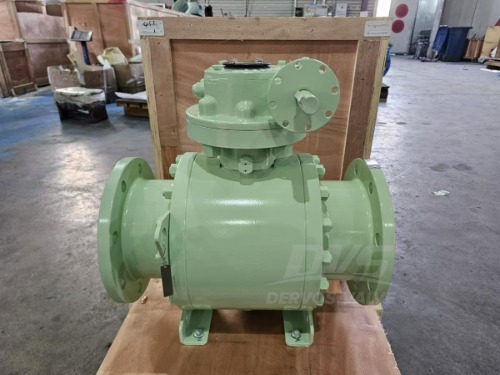
أحد صمام كروييستخدم عنصر إغلاق كروي الشكل مزودًا بثقب محفور. عندما يكون الصمام مفتوحًا، يتماشى الثقب مع خط الأنابيب لتوفير مسار تدفق شبه غير مقيد. وعند تدويره بزاوية 90 درجة، يحجب الجزء المصمت من الكرة الممر ويوفر الإغلاق.
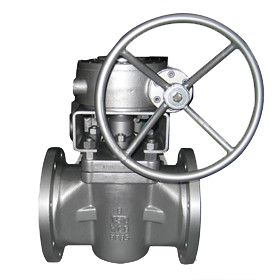
يستخدم الصمام السدّادي سدادة أسطوانية أو مخروطية تحتوي على ممر تدفق عبر المركز. تدور السدادة داخل الجسم للتحكم في التدفق. وبحسب التصميم، يمكن أن تكون الصمامات السدّادية مُزلّقة أو ذات بطانة أو غير مُزلّقة، حيث يوفر كل هيكل خصائص إحكام مختلفة.
تُعد آلية الإحكام إحدى الاختلافات الرئيسية بين الصمامين. تستخدم الصمامات الكروية عمومًا مقاعد لينة أو مقاعد معدنية أو مزيجًا من كليهما لتحقيق إغلاق موثوق. إذا كان النظام يتطلب عزلًا محكمًا دون فقاعات، خاصة في خدمة الغاز أو تطبيقات العمليات الحرجة، فإن الصمام الكروي المختار بشكل صحيح يمكن أن يوفر أداء إحكام ممتازًا.
تعتمد الصمامات السدّادية على التلامس بين السدادة وجسم الصمام أو البطانة. تستخدم الصمامات السدّادية المُزلّقة مادة مانعة للتسرب تُحقن بين السدادة والجسم لتقليل الاحتكاك وتحسين الإحكام. يمكن لهذا التصميم أن يعمل جيدًا في التطبيقات التي تحتوي فيها الوسائط على ملوثات، لأن مادة الإحكام تساعد على حماية أسطح الإغلاق.
تحدد ظروف التشغيل ما إذا كان الصمام الكروي أو الصمام السدّاديهو الأكثر ملاءمة.
تُستخدم الصمامات الكروية على نطاق واسع في صناعات النفط والغاز والبتروكيماويات والغاز الطبيعي المسال والمعالجة الكيميائية والطاقة حيث يكون الإغلاق الموثوق مطلوبًا. تُستخدم الصمامات الكروية العائمة عادةً في أنظمة الضغط المنخفض، بينما تُفضّل الصمامات الكروية المركبة على مرتكزات الدوران للأحجام الأكبر وتصنيفات الضغط الأعلى لأن دعم مرتكز الدوران يقلل عزم التشغيل.
إذا كان الصمام سيتعرض لدورات تشغيل متكررة، فإن الصمام الكروي يوفر عادةً ميزة بسبب تشغيله منخفض الاحتكاك وتفعيله بربع دورة. ومع ذلك، يلزم إجراء دراسة دقيقة عند التعامل مع سوائل تحتوي على جزيئات صلبة. إذا علقت الجزيئات الكاشطة بين الكرة والمقعد، فقد يحدث تلف للمقعد وتسرب.
غالبًا ما يتم اختيار الصمامات السدّادية للتطبيقات التي تتضمن سوائل متسخة، ومعلقات، ومياه صرف، وخطوط الأنابيبحيث قد تحتوي وسائط التدفق على مواد صلبة عالقة. يقلل ممر التدفق الكبير والمستقيم من خطر الانسداد. إذا كان مائع العملية يحتوي على ملوثات قد تتسبب في تلف مواد الإحكام اللينة، فقد يوفر الصمام السدّادي ذو المقعد المعدني أو المُزلّق أداء خدمة أفضل.
تُعد درجة الحرارة والضغط أيضًا من العوامل المهمة. إذا كان التطبيق يتضمن ضغطًا مرتفعًا أو درجة حرارة عالية أو متطلبات مقاومة للحريق، فيجب النظر في الصمامات الكروية ذات المقاعد المعدنية أو الصمامات السدّادية المصممة خصيصًا. يجب أن يتوافق اختيار المواد، بما في ذلك مادة الجسم ومادة المقعد ومكونات الإحكام، مع وسط العملية لمنع التآكل والفشل المبكر.
تختلف متطلبات الصيانة بشكل كبير بين الصمامات الكروية والصمامات السدّادية. تتطلب الصمامات الكروية عمومًا صيانة محدودة عند اختيارها وتشغيلها بشكل صحيح ضمن حدود التصميم. ومع ذلك، يمكن أن يؤدي التحجيم غير الصحيح أو التشغيل المفرط أو الوسائط غير المناسبة إلى تسريع تآكل المقعد.
قد تتطلب الصمامات السدّادية تزييتًا دوريًا اعتمادًا على التصميم. بالنسبة للصمامات السدّادية المُزلّقة، يساعد حقن مادة الإحكام بانتظام في الحفاظ على أداء الإحكام وتقليل عزم التشغيل. وهذا يجعلها مناسبة لبعض الخدمات الصعبة التي تتوفر فيها إمكانية الوصول للصيانة.
إذا تم تركيب الصمام في موقع تكون فيه الصيانة صعبة، فقد يكون التصميم الذي لا يحتاج إلى صيانة أو منخفض الصيانة مفضلًا. وإذا كانت الفحوصات الدورية والتزييت مقبولين، فيمكن للصمامات السدّادية توفير تشغيل موثوق في ظروف الوسائط الصعبة.
أي صمام لديه أداء إحكام أفضل، الصمام الكروي أم الصمام السدّادي؟
يمكن لكليهما توفير إغلاق موثوق. يتم اختيار الصمامات الكروية عادةً عند الحاجة إلى عزل محكم وإحكام دون فقاعات، بينما يمكن للصمامات السدّادية توفير إحكام فعال في الخدمات الملوثة أو الكاشطة.
هل الصمامات الكروية أفضل من الصمامات السدّادية لتطبيقات الضغط العالي؟
ليس دائمًا. تُستخدم الصمامات الكروية المركبة على مرتكزات الدوران على نطاق واسع لتطبيقات الضغط العالي، ولكن يمكن للصمامات السدّادية المصممة بشكل صحيح أيضًا التعامل مع ظروف الضغط ودرجة الحرارة الصعبة.
أي صمام أفضل للمعلقات أو الوسائط المتسخة؟
غالبًا ما تكون الصمامات السدّادية أكثر ملاءمة لأن ممر التدفق المستقيم فيها يقلل من خطر الانسداد، ويمكن لبعض التصاميم تحمل السوائل الملوثة بشكل أفضل.
لماذا تُستخدم الصمامات الكروية بشكل شائع في أنظمة النفط والغاز؟
توفر الصمامات الكروية تشغيلًا سريعًا بربع دورة، وانخفاضًا في فقدان الضغط، وإغلاقًا موثوقًا، وتوافقًا مع فئات ضغط ومواد مختلفة، مما يجعلها مناسبة للعديد من تطبيقات النفط والغاز.
كيف ينبغي أن أختار بين الصمام الكروي والصمام السدّادي؟
إذا كانت الأولوية هي التشغيل المتكرر، والعزم المنخفض، والإغلاق المحكم، فإن الصمام الكروي يكون مناسبًا عادةً. وإذا كانت الخدمة تتضمن وسائط متسخة أو مواد صلبة عالقة أو حاجة إلى مسار تدفق كبير وغير مقيد، فقد يكون الصمام السدّادي هو الخيار الأفضل.
السابق :
ما هو صمام الفراشة ثلاثي الانحرافالتالى :
أفضل صمامات الكرة لتطبيقات المصافي


حقوق النشر © 2015-2026 DERVOS VALVE CO.,LTD.كل الحقوق محفوظة مدونة / خريطة الموقع / XML / سياسة الخصوصية