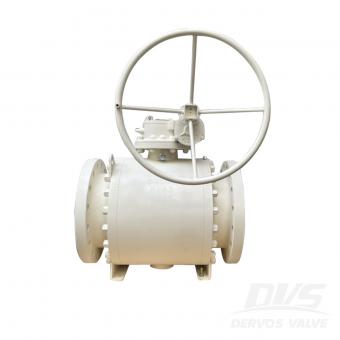
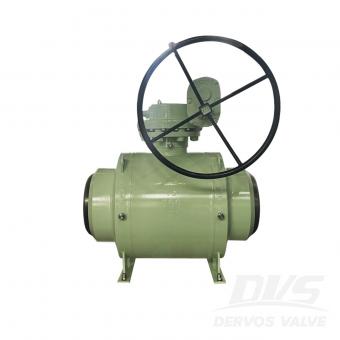
A standard on-off ball valve should not be the default choice for continuous throttling. It can restrict flow, but that does not make it a control valve. Holding it partly open can expose the seat to a concentrated high-velocity jet, produce unstable control and, in liquid service, create cavitation. Brief restriction during start-up or shutdown may be acceptable if the manufacturer permits it. Regular modulation requires a valve designed and sized for that duty. A Part-Open Ball Puts the Seat in the Flow Path When a standard ball valve is fully open, the bore provides a relatively straight flow path. As the ball rotates toward closed, the opening becomes a narrow, changing shape. Velocity rises through this restriction, and the emerging jet can pass close to the downstream seat edge and body cavity. That matters because the seat performs the shutoff function. A soft seat may deform, cut or erode under high velocity, heat and entrained solids. A metal seat may tolerate harsher conditions, but hardness alone does not provide a suitable control characteristic or prevent local erosion. Damage often appears later as increased shutoff leakage, even though the valve still moves normally. Control quality is another limitation. A conventional full-port ball may pass a large increase in flow over a small change in travel once it begins to open. The actuator can therefore hunt around a narrow angle instead of positioning smoothly across a useful range. A positioner cannot correct an unsuitable valve characteristic. Cavitation Depends on the Local Pressure, Not Just Line Pressure Cavitation is possible when liquid accelerates through the restriction and its local pressure falls below the liquid's vapour pressure. Vapour bubbles then form. If pressure recovers above vapour pressure downstream, the bubbles collapse and release damaging energy near the valve or downstream pipe. Ball valves are generally high-recovery valves: much of the pressure lost at the narrowest flow area is recovered downstream. That means the minimum internal pressure can be considerably lower than the measured outlet pressure. A moderate-looking inlet-to-outlet pressure drop may therefore hide a more severe pressure dip inside the valve. Noise resembling gravel, vibration and rough pitting are warning signs, but sound alone is not a design method. The evaluation needs minimum, normal and maximum flow; upstream and downstream pressure at each case; fluid temperature and vapour pressure; density; solids content; valve size; and the manufacturer's pressure-recovery and sizing data. If downstream pressure remains below vapour pressure, the condition is flashing rather than cavitation and requires a different damage assessment. A Ball Valve Can Throttle When It Is a Control Valve A V-port or segmented ball introduces a shaped opening that gives a more predictable relationship between travel and flow. Correct...
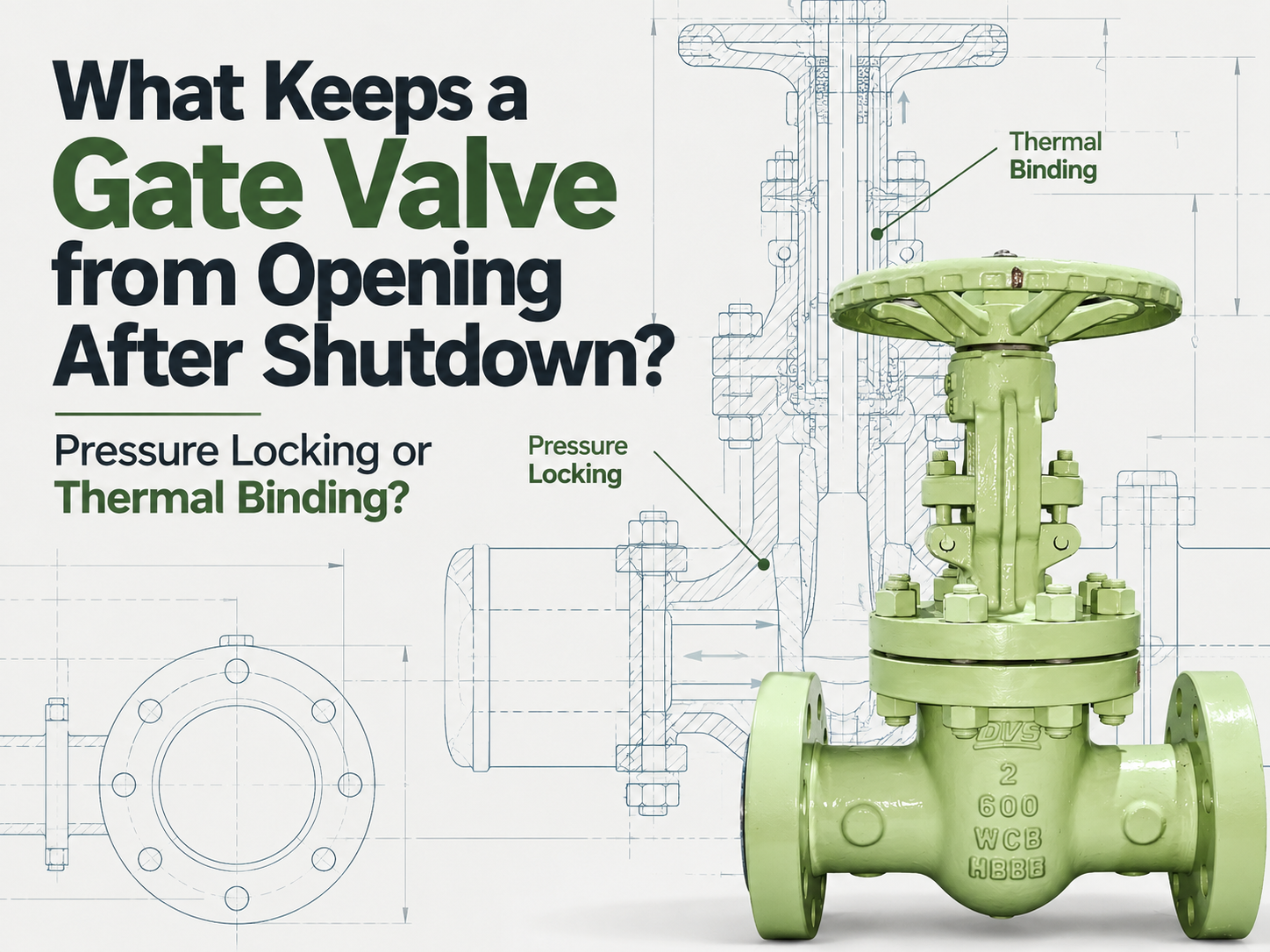
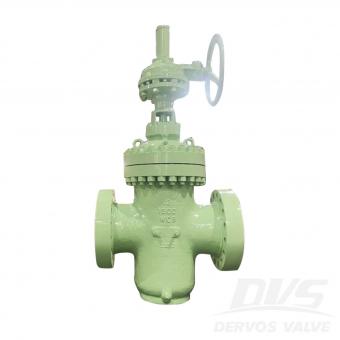
إن صمام بوابة قد لا يفتح بعد الإغلاق بسبب انغلاق الضغط أو الالتصاق الحراري، وعادة ما يحدد سجل الإغلاق أيهما حدث. يعني انغلاق الضغط أن الضغط محبوس في تجويف الغطاء؛ بينما يعني الالتصاق الحراري أن الإسفين المغلق وهو ساخن قد طور تدخلاً ميكانيكياً أثناء التبريد. ولا يمثل أي منهما سبباً تلقائياً لرفع إعداد عزم دوران المشغل. يبدأ انغلاق الضغط في تجويف الغطاء يمكن أن يؤثر انغلاق الضغط على صمامات البوابة ذات الإسفين المرن والقرص المزدوج عندما يدخل السائل إلى تجويف الغطاء أثناء التشغيل أو من خلال حركة طفيفة للمقعد أو تسرب. بمجرد إغلاق الصمام، قد يبقى هذا السائل محبوساً بين حدي المقعدين. تتطور المشكلة عندما يتجاوز ضغط التجويف الضغط على كلا جانبي البوابة المغلقة. ربما تم خفض ضغط الخط بعد امتلاء التجويف بضغط التشغيل، أو ربما تسخن السائل المحبوس وتمدد. تؤدي القوة الناتجة إلى الضغط على عنصر الإغلاق باتجاه كلا المقعدين، مما يجعل قوة الدفع العادية للممشغل غير كافية لبدء الفتح. يشير فشل الفتح بعد خفض ضغط الخط، أو بعد تسخين الصمام المغلق، إلى انغلاق الضغط. وحيثما تسمح وصْلَة معتمدة بالقياس، فإن ضغط الغطاء يعد دليلاً أقوى من تيار المحرك العالي أو رحلة عزم الدوران وحدها. يتبع الالتصاق الحراري الإغلاق الساخن والتبريد يتبع الالتصاق الحراري تسلسلاً مختلفاً. يتم إغلاق صمام بوابة إسفيني وهو ساخن ويبرد النظام قبل أمر الفتح التالي. يمكن أن يؤدي الانكماش غير المتساوي للجسم والإسفين إلى زيادة التداخل الميكانيكي عند المقاعد. تعتبر الإسفينات الصلبة عرضة بشكل خاص، على الرغم من أن التغيرات الكبيرة في درجات الحرارة يمكن أن تؤثر أيضاً على الإسفينات المرنة. لا تتطلب هذه الآلية تجويفاً مفرط الضغط. وأقوى دليل عليها هو التوقيت: يُغلق الصمام بشكل طبيعي عند درجة حرارة التشغيل ولكنه يمتنع عن الفتح بعد التبريد. السلوك الذي يتغير مع عودة درجة حرارة التشغيل نحو حالة الإغلاق يدعم التشخيص، لكن إعادة التسخين المتعمدة تتطلب إجراءً معتمداً. التسخين الخارجي غير المتحكم فيه غير آمن. أعد بناء حالة الإغلاق قبل لمس مفتاح عزم الدوران ابدأ بالخط الزمن لضغط ودرجة الحرارة. سجل متى تم إغلاق الصمام، وما إذا كان أي من الجانبين قد تم تصريفه أو خفض ضغطه لاحقاً، وما إذا كان الجسم لا يزال معرضاً للحرارة، ودرجة الحرارة عند محاولة الفتح الفاشلة. أكد تصميم البوابة من الرسومات أو سجلات الشركة المصنعة؛ تصميمات الإسفين الصلب، والإسفين المرن، والقرص المزدوج لا تشترك في نفس القابلية للتأثر. استبعاد الأعطال العادية مثل انقطاع الطاقة أو الضغط، أو إعدادات مفتاح الحد أو عزم الدوران الخاطئة، أو احتكاك الساق أو حشو التسريب، أو تلف صندوق التروس، أو التآكل والشوائب. تساعد إنذارات المشغل والنقطة التي توقف عندها الحركة في تمييز مشكلة محرك الأقراص عن البوابة المحتجزة في المقاعد. لا تتجاوز مفتاح عزم الدورانأو تطرق الصمام مراراً وتكراراً لفتحه. قد يؤدي الدفع الإضافي إلى ثني الساق، أو تلف المقاعد، أو التحميل الزائد على صندوق التروس. المشغل الأكبر لا يزيل الضغط المحبوس أو التداخل الميكانيكي. أصلح الآلية، ثم تحقق من قوة الدفع للفتح بالنسبة لقفل الضغط، قد يوفر الحل الهندسي تخفيفاً لتجويف الغطاء من خلال فتحة قرص معتمدة من الشركة المصنعة الأصلية، أو خط موازنة خارجي، أو جهاز تخفيف. الاتجاه مهم: فتح أحد جانبي قفل مزدوج المقعد على التجويف يمكن أن يغير الاتجاه الذي يظل فيه الصمام محكماً ضد التسرب. الحفر الميداني بدون...
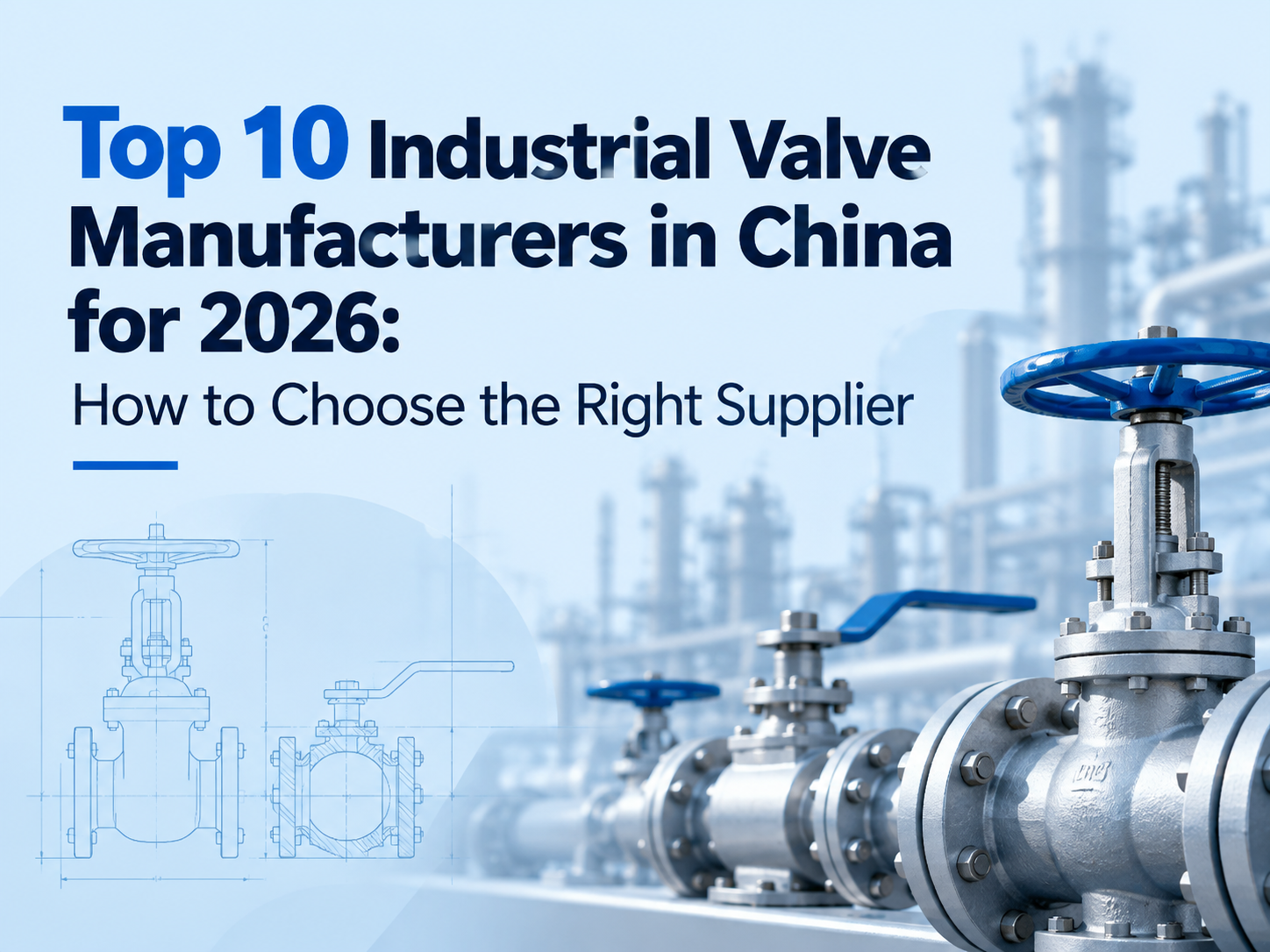
1. شركة Suzhou Neway Valve Co., Ltd. — NEWAY تعد NEWAY واحدة من أكثر الشركات المصنعة للصمامات الصناعية المعترف بها دولياً في الصين. تشمل مجموعة منتجاتها صمامات كروية، والصمامات البوابة، وصمامات الكرة الأرضية، والصمامات غير الراجعة، والصمامات الفراشية، والصمامات المبردة، والصمامات تحت سطح البحر، وغيرها من حلول الصمامات الهندسية. تتمتع الشركة بخبرة واسعة في تطبيقات النفط والغاز، والغاز الطبيعي المسال، والبتروكيماويات، والمنصات البحرية، وتوليد الطاقة. الأكثر ملاءمة لـ: مشاريع الطاقة واسعة النطاق وتطبيقات الخدمة الشاقة. 2. شركة CNNC Sufa Technology Industry Co., Ltd. تُعرف CNNC SUFA جيداً بخبرتها في مجال الطاقة النووية وغيرها من التطبيقات الصناعية عالية النزاهة. تتمتع الشركة بقدرات قوية في تتبع المواد، والتحكم الهندسي، والاختبار، وتصنيع الصمامات المتخصصة. تُستخدم منتجاتها أيضاً في صناعات البترول، والبتروكيماويات، والطاقة، والصناعات الكيميائية. الأكثر ملاءمة لـ: الطاقة النووية، والأنظمة عالية النزاهة، والمشاريع المتطلبة تقنياً. 3. DERVOS VALVE تُعد DERVOS VALVE مورداً للصمامات الصناعية للعملاء في مجالات النفط والغاز، والبتروكيماويات، وتوليد الطاقة، ومعالجة المياه، والبحار، والتطبيقات الصناعية العامة. تشمل منتجاتها الرئيسية الصمامات الكروية، وصمامات البوابة، وصمامات الكرة الأرضية، والصمامات غير الراجعة، والصمامات الفراشية، والصمامات السدادية، وصمامات البوابة السكين، الصمامات العمياء الخطية، والمصافي. تدعم DERVOS المعايير الدولية مثل API، وASME، وEN، وDIN، ويمكنها توفير الفولاذ الكربوني، والفولاذ المقاوم للصدأ، وسبائك الفولاذ، والفولاذ المقاوم للصدأ المزدوج، والفولاذ منخفض الحرارة، وغيرها من المواد. تعد المرونة إحدى نقاط قوتها الرئيسية. يمكن لـ DERVOS دعم حزم الصمامات المختلطة، والكميات الصغيرة إلى المتوسطة، والمواصفات المخصصة، والوثائق الخاصة بالمشروع. الأفضل ملاءمة لـ: الموزعين في الخارج، ومشاريع الهندسة والمشتريات والبناء، والصمامات المخصصة، والطلبات المختلطة، ومتطلبات التوريد المرنة. 4. مجموعة يواندا للصمامات مجموعة يوواندا للصمامات هي واحدة من الشركات المصنعة للصمامات واسعة النطاق في الصين ذات القدرة الإنتاجية الواسعة. تتشمل مجموعة منتجاتها صمامات البوابة، والصمامات الكروية، وصمامات عدم الرجوع، والصمامات الفراشية، والصمامات الكروية (البطارية)، وغيرها من الصمامات الصناعية العامة. تشارك الشركة على نطاق واسع في مشاريع إمدادات المياه، والتدفئة والتهوية وتكييف الهواء (HVAC)، والبنية التحتية البلدية، والطاقة، وأنابيب الخطوط الصناعية. الأنسب لـ: توريد الصمامات القياسية ذات الأحجام الكبيرة والتطبيقات الصناعية العامة. 5. شركة Jiangsu Shentong Valve Co., Ltd. تركز Jiangsu Shentong بشكل كبير على تطبيقات الصمامات المتخصصة في صناعات التعدين، والطاقة، والطاقة النووية، والصناعات الكيميائية. تكمن قوتها في المنتجات المصممة هندسياً لظروف التشغيل الصعبة بدلاً من الاكتفاء بإنتاج الصمامات القياسية. الأنسب لـ: علم المعادن، الطاقة، المعالجة الكيميائية، والتطبيقات الصناعية المتخصصة. 6. شركة تشاودا للفالفز المحدودة (Chaoda Valves Group Co., Ltd.) تخدم مجموعة تشاودا للفالفز قطاعات البترول، والكيميائيات، والغاز الطبيعي، والطاقة، وغيرها من الصناعات التحويلية. تشمل مجموعة منتجاتها الصمامات الكروية، والصمامات البوابية، والصمامات الكروية القرصية، والصمامات الراجعة، و...


حقوق النشر © 2015-2026 DERVOS VALVE CO.,LTD.كل الحقوق محفوظة مدونة / خريطة الموقع / XML / سياسة الخصوصية