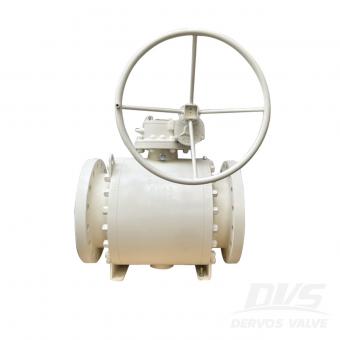
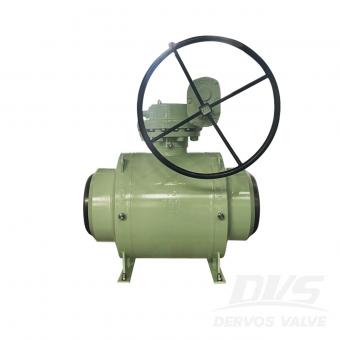
يتمثل الفرق الرئيسي بين صمام الفراشة مزدوج الانحراف وصمام الفراشة ثلاثي الانحراف في هندسة الإحكام. يحتوي صمام الفراشة مزدوج الانحراف على انحرافين يبعدان القرص عن المقعد أثناء التشغيل. وهذا يقلل الاحتكاك مقارنةً بصمام الفراشة متحد المركز.
يضيف صمام الفراشة ثلاثي الانحراف انحرافًا ثالثًا: سطح إحكام مائل. يقلل هذا التصميم الاحتكاك بين القرص والمقعد بشكل أكبر، ويُستخدم عادةً مع المقاعد المعدنية. في الخدمات المتطلبة، يمكن لهذه الهندسة تحسين استقرار الإحكام وتقليل التآكل.
بعبارات بسيطة، غالبًا ما يكون مزدوج الانحراف هو الخيار الصناعي العملي. أما ثلاثي الانحراف فهو خيار الخدمات القاسية.
يُعد صمام الفراشة مزدوج الانحراف مناسبًا عندما يتطلب التطبيق إحكامًا أفضل وعمرًا أطول للمقعد مقارنةً بالصمام متحد المركز الأساسي، لكنه لا يحتاج إلى تصميم كامل للخدمات القاسية.
يُستخدم غالبًا في:
● معالجة المياه
● أنظمة HVAC
● الخدمات البحرية
● خطوط المواد الكيميائية العامة
● أنظمة المرافق للنفط والغاز
● أنظمة المساعدة في محطات توليد الطاقة
تُسمى صمامات مزدوجة الانحراف عادةً صمامات فراشة عالية الأداء. يمكنها توفير إغلاق موثوق، وعزم تشغيل أقل، ومتانة أفضل من التصميمات ذات الخط المركزي. بالنسبة إلى العديد من الأنظمة الصناعية القياسية، فإنها توفر توازنًا قويًا بين الأداء والتكلفة.
ومع ذلك، تظل مادة المقعد مهمة. إذا كان الصمام يستخدم مقعدًا لينًا، فيجب التحقق بعناية من توافق درجة الحرارة والوسط.
ينبغي النظر في استخدام صمام الفراشة ثلاثي الانحراف عندما تكون العملية أكثر سخونة أو أكثر كشطًا أو أكثر أهمية، أو عندما تتطلب إغلاقًا أكثر إحكامًا على مدى عمر خدمة أطول.
يُستخدم عادةً في:
● أنظمة البخار
● المصافي
● مصانع البتروكيماويات
● خطوط الغاز ذات درجات الحرارة العالية
● توليد الطاقة
● تطبيقات العمل البحري والتطبيقات ذات الخدمة الشديدة
غالبًا ما يتم اختيار صمامات الفراشة ثلاثية الإزاحة عندما يكون الإحكام من معدن إلى معدن مطلوبًا. كما أنها مفيدة في الحالات التي قد تتشوه فيها المقاعد اللينة أو تتقادم أو تفشل بسبب درجات الحرارة العالية أو الضغط أو الوسائط العدوانية.
بالنسبة لخدمة العزل الحرجة، قد تكون التكلفة الأولية الأعلى مبررة بفضل أداء إحكام أفضل، وعمر خدمة أطول، وتقليل مخاطر الصيانة.
|
العامل |
صمام فراشة ثنائي الإزاحة |
صمام فراشة ثلاثي الإزاحة |
|
تصميم الإزاحة |
إزاحتان |
ثلاث إزاحات |
|
نوع المقعد الشائع |
مقعد لين أو مقعد مقاوم للحريق |
مقعد معدني أو مقعد معدني مصفح |
|
الأفضل لـ |
الخدمة المتوسطة |
الخدمة الشديدة |
|
نطاق درجة الحرارة |
محدود بمادة المقعد |
أفضل لدرجات الحرارة العالية |
|
أداء التسرب |
جيد عند الاختيار المناسب |
أفضل لمتطلبات الإغلاق المحكم |
|
التكلفة |
عادةً أقل |
عادةً أعلى |
|
مخاطر الصيانة |
متوسطة |
أقل في الخدمة الشديدة |
|
الاستخدام النموذجي |
المياه، أنظمة التدفئة والتهوية وتكييف الهواء، أنظمة المرافق |
البخار، المصافي، البتروكيماويات، الطاقة |
ابدأ بظروف الخدمة، وليس باسم الصمام. قد يكون صمام ثنائي الإزاحة كافيًا للمياه النظيفة، والمياه المبردة، ووسائط العمليات العامة، أو خدمة النفط المتوسطة. أما صمام ثلاثي الإزاحة فهو أكثر ملاءمة عندما يتضمن النظام درجات حرارة عالية، أو ضغوطًا عالية، أو جزيئات كاشطة، أو متطلبات مقاومة للحريق، أو حدودًا صارمة للتسرب.
قبل الاختيار، تأكد من:
● الوسط
● فئة الضغط
● درجة حرارة التشغيل
● حجم الخط
● مادة المقعد
● متطلبات التسرب
● وصلة النهاية
● طريقة التشغيل
● المعايير المعمول بها
● إمكانية الوصول للصيانة
إذا كان سيتم تشغيل الصمام آليًا، فتحقق أيضًا من عزم الدوران، وحجم المشغل، وتردد الدورات، وإشارة التحكم، ووضع الأمان عند الفشل.
لا. إنه أفضل للخدمات القاسية، لكنه قد يكون غير ضروري لأنظمة الضغط ودرجة الحرارة المعتدلة. يمكن أن يكون صمام الفراشة مزدوج الانحراف أكثر فعالية من حيث التكلفة للاستخدامات الصناعية العامة.
نعم، اعتمادًا على التصميم، وفئة الضغط، والمادة، ونوع المقعد. ومع ذلك، قد تتطلب تطبيقات درجات الحرارة العالية أو الإغلاق الحرج تصميمًا ثلاثي الانحراف.
غالبًا ما تتضمن خدمات البخار درجات حرارة عالية، ودورات حرارية، ومتطلبات إغلاق محكم. يمكن لتصميم ثلاثي الانحراف بمقعد معدني التعامل مع هذه الظروف بشكل أفضل من العديد من الصمامات ذات المقاعد اللينة.
أرسل الوسط، وفئة الضغط، ودرجة الحرارة، وحجم الخط، ومتطلبات المقعد، وفئة التسرب، ونوع الوصلة، وطريقة التشغيل. يمكن بعد ذلك إجراء اختيار فني بناءً على ظروف الخدمة الفعلية.


حقوق النشر © 2015-2026 DERVOS VALVE CO.,LTD.كل الحقوق محفوظة مدونة / خريطة الموقع / XML / سياسة الخصوصية