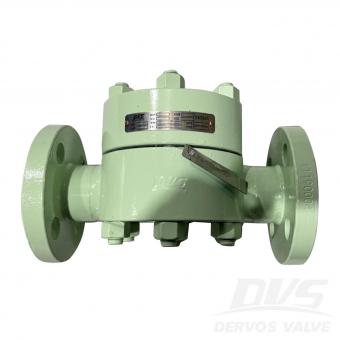
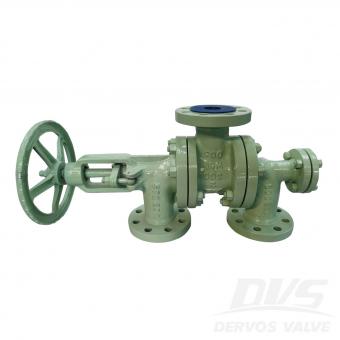
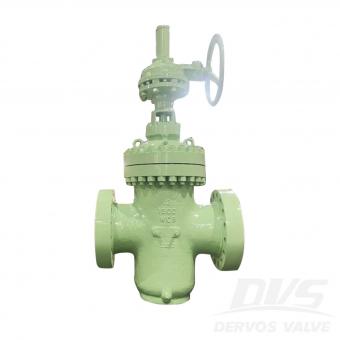
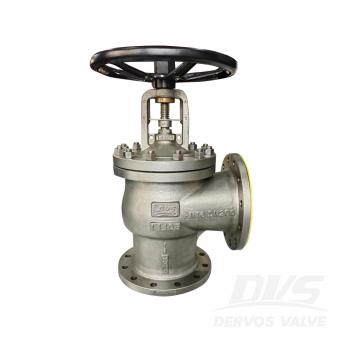
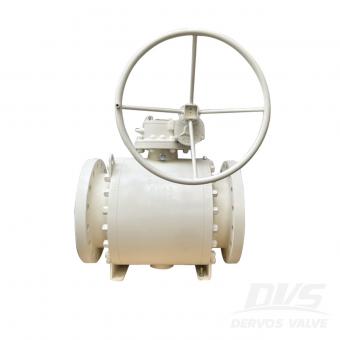
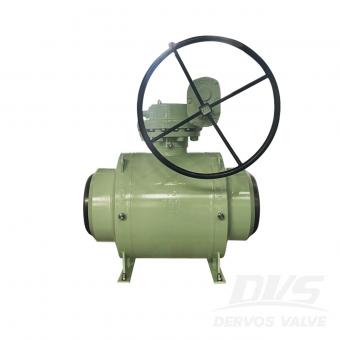
يختلف الصمام الأعمى عن معظم صمامات العزل لأنه ينشئ حاجزًا ماديًا في خط الأنابيب. تعتمد صمامات البوابة والصمامات الكروية وصمامات DBB بشكل أساسي على أسطح الإحكام. غالبًا ما يُفضَّل الصمام الأعمى المتأرجح عندما يحتاج المشغلون إلى عزل مرئي وإيجابي لأعمال الصيانة أو عمليات الإيقاف أو خدمة الوسائط الخطرة.
يُسمى الصمام الأعمى أيضًا بـ صمام عزل الخط الأعمى، وهو يعزل خط الأنابيب عن طريق تحريك صفيحة عمياء صلبة إلى مسار التدفق. وهذا ينشئ فصلًا ماديًا بين جانبي الخط قبل العزل وبعده.
وهذا هو الاختلاف الأساسي. تعتمد معظم صمامات العزل على المقاعد أو الأقراص أو الكرات أو البوابات لإيقاف التدفق. ويمكن أن تتآكل هذه الأجزاء المانعة للتسرب أو تتشوه أو تتسرب بمرور الوقت. يوفر الصمام الأعمى شكلًا أكثر وضوحًا وميكانيكية من العزل، وهو مفيد بشكل خاص عندما تحتاج فرق الصيانة إلى تأكيد واضح بأن الخط مسدود بأمان.
بالنسبة للأنظمة الحرجة، تُعد هذه الحالة المرئية مهمة. في تطبيقات المواد الكيميائية والنفط والغاز والبخار والتخزين، يمكن حتى لمسار تسرب صغير أن يسبب مخاطر تتعلق بالسلامة أو البيئة أو تلوث المنتج.
يُعد صمام البوابة مفيدًا لخدمة الفتح والإغلاق العادية، لكنه ليس نفس العزل الإيجابي. فعند إغلاق صمام البوابة، يظل النظام معتمدًا على حالة الإسفين والمقاعد والساق وأسطح الإحكام.
يختلف الصمام الأعمى لأنه يحجب تجويف الأنبوب ماديًا بواسطة الصفيحة العمياء. وبالنسبة لعزل الصيانة، يمنح ذلك المشغلين هامش أمان أوضح.
|
العنصر |
صمام البوابة |
الصمام الأعمى |
|
طريقة العزل |
أسطح الإحكام الداخلية |
صفيحة عمياء صلبة |
|
التأكيد المرئي |
محدود |
وضعية فتح/إغلاق واضحة |
|
أفضل استخدام |
إيقاف التدفق الروتيني |
عزل الصيانة الحرجة |
|
خطر التسرب |
يعتمد على حالة المقعد |
أقل عند التصميم والإحكام بشكل صحيح |
|
سرعة التشغيل |
عادةً مناسب |
تعتمد على النوع والحجم |
قد يكون صمام البوابة كافيًا لإيقاف التدفق الروتيني. أما الصمام الأعمى فهو الخيار الأفضل عندما تتطلب المهمة فصلًا مؤكدًا قبل الصيانة أو العمل الساخن.
يستخدم صمام الحجب المزدوج والتنفيس، أو صمام DBB، حاجزين مانعين للتسرب مع نقطة تنفيس بينهما. وهو مفيد للعزل الروتيني والاختبار والتحقق من الضغط. وفقًا لـ SLB وValve Magazine، يمكن أن تختلف تعريفات DBB وDIB حسب المعيار والتطبيق، لذلك ينبغي على المشترين تأكيد متطلبات العزل الدقيقة قبل الاختيار.
بالمقارنة مع DBB، فإن الصمام الأعمى أبسط من حيث المبدأ: فهو يحجب الخط بواسطة صفيحة صلبة.غالبًا ما يكون DBBأكثر ملاءمة للعزل التشغيلي المتكرر. أما الصمام الأعمى فعادةً ما يكون أقوى للعزل طويل المدة أو العزل الحرج للسلامة حيث يُفضَّل وجود حاجز مادي.
الخيار العملي ليس «أي صمام أفضل دائمًا؟» بل «ما الخطر الذي تقوم بعزله؟»
تم تصميم الصمام الأعمى المتأرجح لتحريك الصفيحة العمياء بين وضعي الفتح والإغلاق دون إزالة الصمام من خط الأنابيب. وبالمقارنة مع الصفيحة العمياء ذات الشكل الثماني، يمكنه تقليل العمالة، وتقليل وقت التبديل، وتحسين وضوح موضعه.
بالنسبة للمشترين، تتمثل المزايا الرئيسية في:
● عزل إيجابي باستخدام صفيحة صلبة
● حالة فتح/إغلاق واضحة
● تعامل يدوي أقل مقارنة بالصفائح العمياء التقليدية
● مفيد لأعمال الصيانة، والإيقاف، وتبديل الوسائط
● مناسب لخطوط أنابيب النفط والغاز والبخار والمواد الكيميائية عند تحديد المواصفات بشكل صحيح
تدرج DERVOS صمامات الصفائح العمياء من النوع المتأرجح المصنوعة من مواد معدنية مثل الفولاذ الكربوني، والفولاذ السبائكي، والفولاذ المقاوم للصدأ، والفولاذ المقاوم للصدأ ثنائي الطور، مع خيارات مواد ASTM التي تشمل WCB وLCB وLCC وWC6 وWC9 وCF8 وCF8M. وهذا أمر مهم لأن أداء العزل لا يعتمد على الهيكل فقط، بل يعتمد أيضًا على توافق المواد مع الضغط ودرجة الحرارة والوسيط.
يُعد صمام الصفيحة العمياء المتأرجحة خيارًا قويًا عندما يتعامل خط الأنابيب مع وسائط خطرة أو قابلة للاشتعال أو ذات درجة حرارة عالية أو ضغط عالٍ، ويحتاج المشغل إلى عزل مرئي.
وهو مفيد بشكل خاص عندما:
● لا يمكن قبول تسرب المقعد
● يجب تنفيذ أعمال الصيانة بأمان
● يتطلب خط الأنابيب حالة عزل واضحة
● يستغرق تركيب الصفيحة العمياء التقليدية وقتًا طويلاً
● يتسبب خفض الضغط في توقف التشغيل أو فقدان المنتج
على سبيل المثال، تصف DERVOS صمام صفيحة عمياء من النوع المتأرجح بمقاس 10 بوصات وفئة ضغط 150 مستخدمًا في خدمة البترول، ومصممًا وفق ASME B16.34 مع اختبار تسرب API 598. وتوضح الحالة مخاوف المشترين الشائعة: الوسائط القابلة للاشتعال، والعزل تحت الضغط، والتركيب الخارجي، والتحكم في التشغيل الخاطئ.
اختر صمام بوابة أو صمام كرة للإيقاف العادي. اختر DBB عندما يكون العزل الروتيني والتحقق من التنفيس مطلوبين. اختر صمامًا أعمى عندما تكون سلامة الصيانة والفصل المادي والعزل المرئي هي الأولوية.
عند الاستفسار عن صمام صفيحة عمياء متأرجحة، أكد على الوسيط، وفئة الضغط، ودرجة حرارة التشغيل، وحجم الخط، وتكرار التشغيل، والمواد، ونوع الإحكام، والمعايير المعمول بها. تحدد هذه التفاصيل ما إذا كان الصمام سيوفر عزلًا موثوقًا به في الخدمة الفعلية، وليس فقط ملاءمته لخط الأنابيب نظريًا.
CTA: هل تحتاج إلى مساعدة في اختيار صمام صفيحة عمياء متأرجحة لعزل خطوط الأنابيب؟ أرسل الوسيط والضغط ودرجة الحرارة وحجم الخط وظروف التشغيل للحصول على توصية فنية.


حقوق النشر © 2015-2026 DERVOS VALVE CO.,LTD.كل الحقوق محفوظة مدونة / خريطة الموقع / XML / سياسة الخصوصية