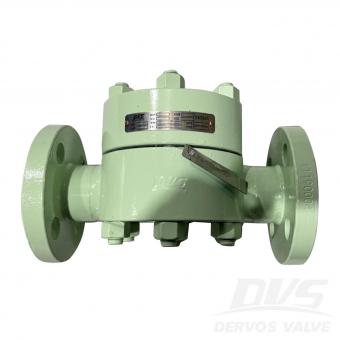
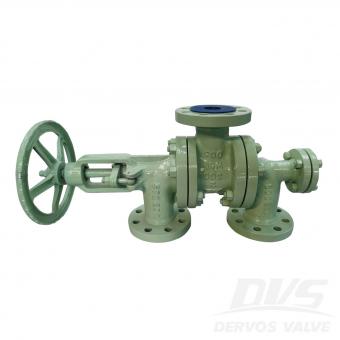
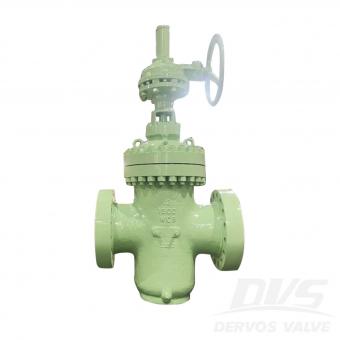
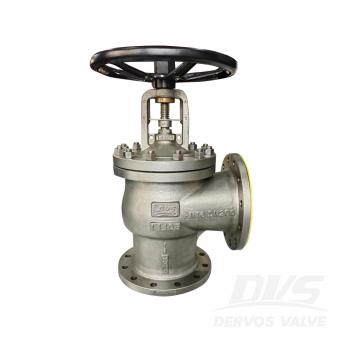
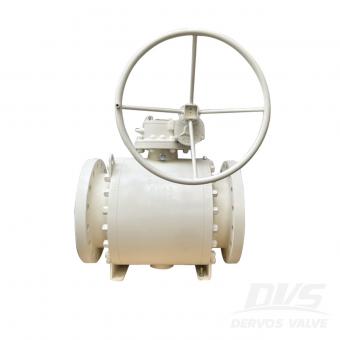
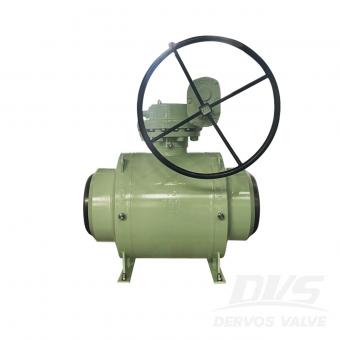
صمام إيقاف عدم الرجوع علىماء تغذية الغلايةلا يتم اختيار الخط لمجرد إمكانية التدفق العكسي. السؤال الحقيقي هو ما إذا كان يجب على صمام واحد أن يؤدي ثلاث وظائف في نفس الموقع: السماح بتدفق أمامي مستقر من مضخة التغذية، والإغلاق التلقائي ضد التدفق العكسي عند تعطل المضخة أو انعكاس الضغط، وتوفير وظيفة إيقاف يدوي عند الحاجة إلى عزل الخط أو الغلاية.
يُعدّ هذا الجمع بين وظيفتي الصمام مفيدًا، ولكنه يُنشئ أيضًا مشكلة اختيار أكثر تعقيدًا من صمام الفحص القياسي. في خدمة تغذية الغلايات، قد يظهر سوء الاختيار على شكل فقدان مفرط لضغط المضخة، أو حركة غير مستقرة للقرص، أو اصطدام المقعد، أو تسرب عكسي باتجاه المضخة، أو ظاهرة الطرق المائي أثناء انعكاس التدفق المفاجئ.
أصمام إيقاف الفحصيُستخدم هذا النوع عادةً عندما يحتاج خط تغذية المياه إلى كلٍ من الحماية من التدفق العكسي ووظيفة الإغلاق اليدوي. لا يُثبَّت قرصه الداخلي بإحكام على ساق الصمام كما هو الحال في صمام الكرة الأرضية العادي. عند رفع ساق الصمام، يرتفع القرص مع التدفق الأمامي ويعود إلى مكانه مع التدفق العكسي. وعند خفض ساق الصمام، يُمكن إغلاق الصمام يدويًا.
هذا لا يعني أنه يجب استخدام صمام عزل تلقائي في كل خط تغذية مياه الغلاية. إذا كان النظام يحتوي بالفعل على صمام عزل منفصل وتم اختياره بشكل صحيحصمام فحص مانع للارتطامقد يوفر الترتيب المنفصل فقدانًا أقل للضغط وصيانة أسهل. يصبح صمام الإيقاف والرجوع أكثر جاذبية عندما تكون المساحة محدودة، أو عندما يفضل المصنع ترتيبًا صغيرًا للإيقاف وعدم الرجوع، أو عندما تتطلب المواصفات صمام عدم رجوع يُغلق يدويًا بالقرب من مخرج الغلاية أو المضخة.
ينبغي أن تُميّز المواصفات أيضًا بين مياه تغذية الغلاية ومياه الإمداد العامة. قد تكون مياه التغذية ساخنة، ذات ضغط عالٍ، مُعالجة كيميائيًا، وموصولة بمعدات قد يُؤدي تدفقها العكسي إلى تلف المضخات أو تعطيل عمل الغلاية. يجب اختيار مادة جسم الصمام، ومادة التشطيب، وتصنيف الضغط ودرجة الحرارة، ووصلة النهاية، ومتطلبات الاختبار بما يتناسب مع هذه الوظيفة، وليس نسخها من صمام مياه الإمداد منخفض الضغط.
يؤثر انخفاض الضغط عبر صمام عدم الرجوع على أكثر من مجرد تكلفة الطاقة. فهو يغير ضغط المضخة المتاح عند الغلاية، ويؤثر على نقطة تشغيل مضخة التغذية، ويمكنه تحديد ما إذا كان القرص سيفتح بالكامل أم سيبقى في وضع مرفوع جزئيًا.
غالبًا ما يكون مسار تدفق صمام الإيقاف ذي النمط T أكثر تعرجًا. قد يؤدي ذلك إلى زيادة فقدان الضغط، لكن حركة القرص الرأسية قد تُحسّن استجابة الإغلاق. أما تصميم النمط Y فيوفر عادةً مسار تدفق أكثر استقامة ومقاومة تدفق أقل، وهو ما يُعدّ ذا قيمة في خطوط تغذية المياه ذات التدفق العالي. لكن في المقابل، تزداد أهمية توجيه القرص وحركته المستقرة نظرًا لعمل القرص والساق بزاوية.
الخطأ الشائع في عمليات الشراء هو اختيار الصمام بناءً على القطر الاسمي للأنبوب فقط. فالصمام كبير الحجم قد لا يحقق رفعًا كاملًا ومستقرًا للقرص عند تدفق المضخة الطبيعي. وقد يرتجف القرص أو يهتز أو يلامس المقعد بشكل متكرر، مما يُسرّع التآكل وقد يُسبب ضوضاء واهتزازات. أما الصمام صغير الحجم فقد يُعطي رفعًا أنظف للقرص، لكن السرعة وانخفاض الضغط قد يصبحان مفرطين. وهذا بدوره يُرهق المضخة، ويزيد من خطر التآكل، ويُقلل من هامش الأمان أثناء تشغيل الغلاية عند الطلب العالي.
لذا، ينبغي أن يتضمن طلب عرض الأسعار الجاد معدل تدفق مياه التغذية الطبيعي، والحد الأدنى، والحد الأقصى، وليس فقط حجم الأنابيب وفئة الضغط. كما ينبغي أن يكون المصنّع قادرًا على توضيح ما إذا كان الحجم المُختار يسمح برفع القرص بشكل مستقر ضمن نطاق التشغيل المتوقع.
كثيراً ما يُناقش ظاهرة الطرق المائي في أنظمة تغذية المياه كما لو أن الصمام وحده هو السبب. صحيح أن الصمام مهم، لكن هذه الظاهرة العابرة تنتج عن النظام بأكمله: سلوك إيقاف المضخة، وطول الخط، وتغير الارتفاع، وضغط الغلاية، وموقع صمام عدم الرجوع، وسرعة التدفق، وسرعة تطور التدفق العكسي.
يُساعد صمام عدم الرجوع على إغلاق قرصه قبل تراكم سرعة عكسية كبيرة. في حال تأخر الإغلاق، قد يدفع عمود الماء المتحرك عكسيًا القرص بقوة نحو مقعده. قد يُؤدي هذا الاصطدام إلى تلف المقعد وتوليد موجة ضغط عبر الأنابيب. في أنظمة تغذية المياه عالية الضغط، لا تُعد هذه مشكلة صيانة بسيطة، بل قد تُؤثر على الدعامات والحشيات واللحامات وحماية المضخة.
لا يُعدّ الإغلاق السريع وانخفاض الضغط هدفًا تصميميًا واحدًا. فقد يُغلق مسار التدفق ذو المقاومة المنخفضة جدًا بشكل سيئ إذا كان القرص ثقيلًا أو غير مُوجّه بشكل جيد أو غير مستقر عند التدفق المنخفض. قد يُقلّل الصمام ذو الإغلاق المُتحكّم به من الارتطام، ولكنه قد يُؤدي أيضًا إلى زيادة المقاومة أو يتطلب تحديدًا دقيقًا للحجم. في ظروف التشغيل القاسية، ينبغي على المشترين الاستفسار عما إذا كان التصميم يستخدم ميزات مثل حركة القرص المُوجّهة، أو التخميد بواسطة المكبس أو المخمد، أو مساعدة الزنبرك، أو آلية إغلاق فعّالة. يعتمد الجواب الصحيح على تحليل الاستجابة العابرة ونطاق تشغيل المضخة الفعلي، وليس على ادعاء عام بـ "مقاومة ظاهرة الطرق المائي".
بالنسبة لمياه تغذية الغلايات، يجب التحقق من فئة الضغط وفقًا لدرجة حرارة التشغيل وتصنيف المادة. صمام من الفئة 900 مصنوع من مادة معينة لا يُعادل تلقائيًا نفس الفئة في مادة أخرى عند درجات حرارة مرتفعة. قد يكون الفولاذ الكربوني مناسبًا للعديد من تطبيقات مياه التغذية، بينما قد يكون استخدام الفولاذ السبائكي أو الفولاذ المقاوم للصدأ ضروريًا في الحالات التي تتطلب فيها درجة الحرارة أو التركيب الكيميائي أو التآكل أو مواصفات المشروع ذلك.
تُعدّ نهايات اللحام التناكبي شائعة في أنابيب الطاقة عالية الضغط لأنها تقلل من نقاط تسرب الفلنجات وتناسب أنظمة اللحام الدائم. قد تُفضّل نهايات الفلنجات عند توقع إزالة الأنابيب للصيانة، ولكن يجب مراعاة اختيار الحشية، وقوة تحمل البراغي، وحدود الضغط ودرجة الحرارة. بالنسبة للتصاميم المطروقة الصغيرة، قد تظهر نهايات اللحام المقبسية أو الملولبة في الخطوط المساعدة، ولكن لا ينبغي اختيارها بشكل عشوائي في حالات دورات التبريد والتسخين الشديدة أو في ظروف تغذية المياه الحرجة.
ينبغي أن يشمل الاختبار كلاً من متانة جسم الصمام وأداء مقعده. ويُعدّ اختبار الغلاف الهيدروستاتيكي، واختبار المقعد، والفحص البُعدي، وشهادات المواد، والتحقق من العلامات، من نقاط التوثيق الأساسية. بالنسبة للمشاريع الحساسة، قد يطلب المشتري أيضًا اختبارات غير إتلافية، وفحصًا للبنية التحتية للمواد، وتتبعًا لرقم الدفعة، وتقارير فحص. لا تُحسّن هذه الوثائق الصمام بعد تصنيعه، ولكنها تُقلّل من مخاطر استلام صمام غير مقبول من قِبل مُفتّش المشروع.
بالنسبة لصمام عدم الرجوع الخاص بتغذية المرجل، ابدأ بوظيفة النظام بدلاً من صفحة الكتالوج. تأكد مما إذا كان الصمام سيحل محل صمام إيقاف وصمام عدم رجوع منفصلين، أو ما إذا كان مجرد جهاز إضافي لعدم الرجوع. ثم حدد نطاق تدفق مياه التغذية، وضغط تصريف المضخة، وضغط المرجل، ودرجة حرارة التشغيل، واتجاه الخط، وانخفاض الضغط المسموح به.
بعد ذلك، قيّم مخاطر الإغلاق. قد يُبرر وجود خط طويل، أو ضغط ثابت مرتفع، أو مضخات متعددة، أو توقف سريع للمضخة، التركيز بشكل أكبر على سلوك عدم الارتطام ومراجعة الحالات العابرة. إذا كان النظام يعمل لفترات طويلة بتدفق منخفض، يصبح رفع القرص المستقر أكثر أهمية من انخفاض ضغط التدفق الأقصى الموضح في مخطط الكتالوج.
ينبغي أن يتضمن طلب عرض الأسعار حجم الأنبوب، وفئة الضغط، ومعيار التصميم، والمادة، والتشطيبات، ووصلة النهاية، واتجاه التدفق، وتوجيه التركيب، ومعيار الاختبار، ومتطلبات التوثيق، وما إذا كان المشروع يتطلب فحصًا خاصًا أو اختبارًا من طرف ثالث. يوفر الاستفسار الكامل من الناحية الفنية للمورد معلومات كافية لمناقشة استقرار القرص، وانخفاض الضغط، وسلوك الإغلاق، بدلاً من مجرد تقديم عرض سعر لصمام يناسب الشفة.
صمام عدم الرجوع الجيد لتغذية مياه الغلاية ليس مجرد صمام كروي مزود بوظيفة عدم الرجوع، بل هو عنصر ديناميكي في نظام المضخة والغلاية. ويُعدّ الخيار الأمثل هو الذي يفتح بالكامل عند معدل التدفق التشغيلي الفعلي، ويُغلق قبل حدوث تدفق عكسي مُضر، ويبقى ضمن حدود ضغط المضخة، ويمكن توثيقه وفقًا لمتطلبات الضغط ودرجة الحرارة والمواد والتفتيش الخاصة بالمشروع.


حقوق النشر © 2015-2026 DERVOS VALVE CO.,LTD.كل الحقوق محفوظة مدونة / خريطة الموقع / XML / سياسة الخصوصية