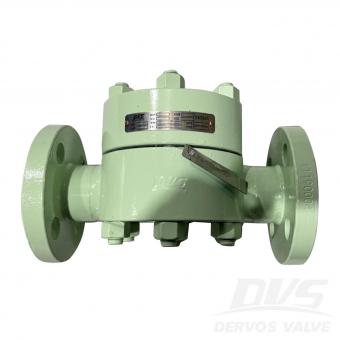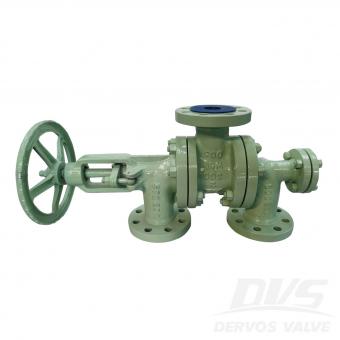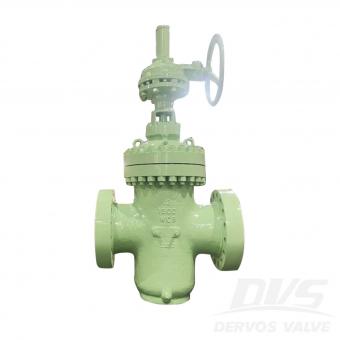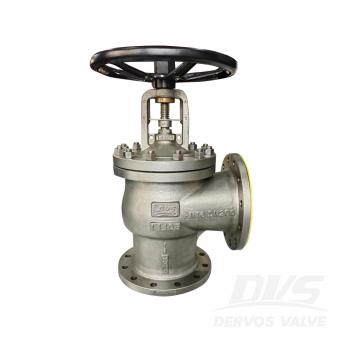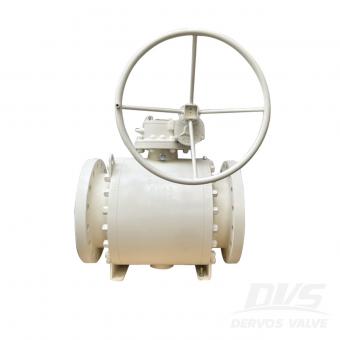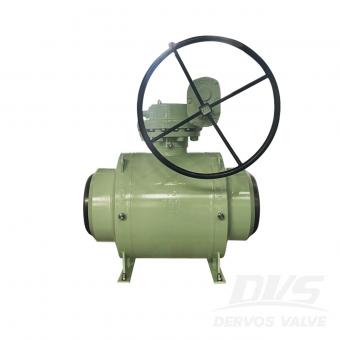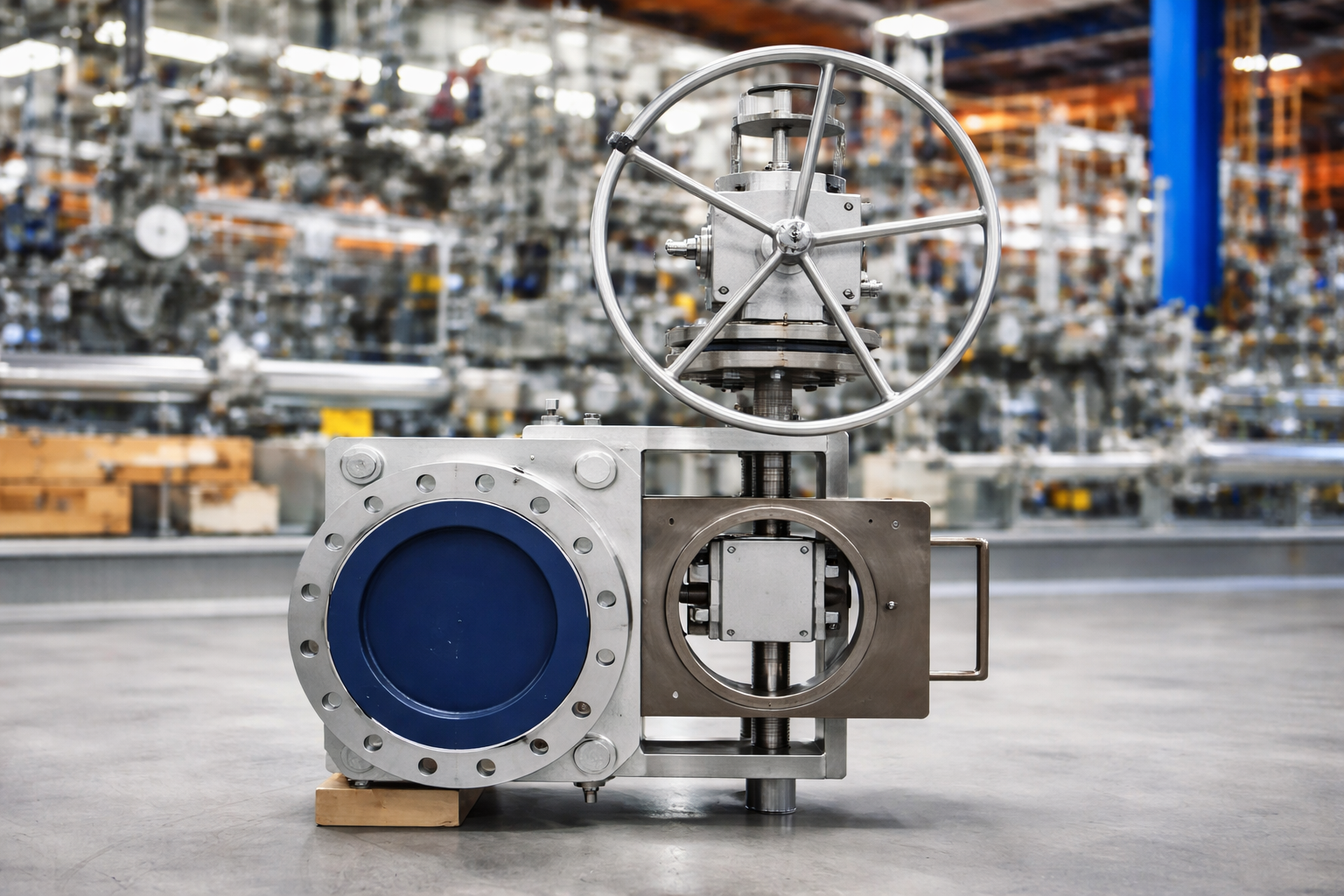
تُستخدم صمامات البوابة والصمامات العمياء لعزل خطوط الأنابيب، لكنها تعمل وفق مبادئ مختلفة بشكل أساسي. في أنظمة الأنابيب الصناعية، إذا كان الهدف هو عزلة جسدية حقيقية (في حالة العزل الإيجابي)، فإن الصمام الأعمى (صمام أعمى / صمام خط أعمى) يكون عمومًا أكثر موثوقية من الصمامات التقليدية. فبدلاً من الاعتماد على إحكام إغلاق المقعد، فإنه يعزل الوسط من خلال لوحة عمياء صلبة وهذا ما يحدد نطاق تطبيقه وقيمته الهندسية. يمكن فهم الخصائص الرئيسية للصمام الأعمى من منظور هندسي على النحو التالي: 1. العزلة الجسدية المطلقة لو انعدام التسرب إذا كان ذلك مطلوبًا، فإن الصمامات التقليدية (مثل صمامات البوابة أو صمامات الكرة) تشكل خطرًا، لأن أدائها يعتمد على سلامة الختم. تتبع الصمامات العمياء منطقًا مختلفًا: ▶ إذا تم إدخال صفيحة صلبة، فسيتم حجب التدفق تمامًا ▶ إذا تم وضع اللوحة العمياء بشكل صحيح، فلن يكون فشل الإحكام مصدر قلق بعد الآن وهذا يجعل الصمامات العمياء أكثر ملاءمة لـ: ● عزل خطوط أنابيب النفط والغاز ● مواد قابلة للاشتعال (البترول، الغاز الطبيعي المسال، المواد الكيميائية) ● نظام بخار عالي الحرارة s الخلاصة الهندسية: إذا كان المشروع يتطلب عزلاً يمكن التحقق منه، فيجب إعطاء الأولوية للصمام الأعمى على الصمامات الصناعية التي تعتمد على منع التسرب. 2. إمكانية التشغيل المباشر تتطلب الستائر التقليدية ذات المجرفات والفواصل عادةً تفكيك الحافة، مما يزيد من تعقيد التشغيل ويؤدي إلى مخاطر تتعلق بالسلامة. الصمامات العمياء (مثل صمام ستائري منزلق تم تصميم صمامات التأرجح والستائر ذات الأغطية المتحركة بنهج مختلف: ▶ إذا تطلب الأمر التبديل المتكرر بين التشغيل والصيانة، فيجب تقليل التدخل اليدوي إلى الحد الأدنى. ▶ إذا لم يُسمح بالإغلاق، فيجب إجراء عملية التحويل في ظل ظروف خط الأنابيب المضغوط (رهناً بالتصميم المحدد). لذلك: ● صمام انزلاقي مغلق: مناسب للمساحات المحدودة ومتطلبات التشغيل الآلي العالية ● صمام الستارة المتأرجح: بنية بسيطة، مناسبة لتردد التبديل المتوسط إلى المنخفض ● صمام حجب الرؤية على شكل نظارة : مناسب للتشغيل بتردد منخفض والمشاريع الحساسة للتكلفة الخلاصة الهندسية: إذا كانت الصيانة متكررة أو كان الإيقاف غير ممكن، فيجب إعطاء الأولوية لصمام مغلق مزود بإمكانية التشغيل المباشر. 3. الموثوقية الميكانيكية لا تعتمد موثوقية الصمام الأعمى على أنظمة منع التسرب المعقدة، بل على: ● الاستقرار الهيكلي الميكانيكي ● قوة المادة (مثل A105، WCB، F22، LF2) ● طريقة التشغيل (يدوي، أو يعمل بالتروس، أو هيدروليكي) ▶ إذا كانت ظروف التشغيل تتضمن درجة حرارة عالية أو ضغطًا عاليًا أو مواد أكالة، فإن الصمامات التي تعتمد على منع التسرب تكون أكثر عرضة للفشل ▶ في حال استخدام صمام مغلق، فإن الخطر الأساسي يتحول إلى التصميم الهيكلي وآليات التشغيل تشمل التطبيقات النموذجية ما يلي: ● أنظمة عزل المصافي ● مصانع البتروكيماويات ● خطوط البخار في محطة توليد الطاقة الخلاصة الهندسية: إذا كانت عواقب فشل النظام بالغة الأهمية، فيجب إعطاء الأولوية للحلول الموثوقة هيكليًا على تصميمات الصمامات التي تعتمد على منع التسرب. 4. تصميم نظام التعشيق الآمن في المشاريع العملية، يُعد الخطأ التشغيلي أحد المخاطر الرئيسية. تُجهز الصمامات العمياء عادةً بما يلي: ● قفل الوضع الميكانيكي ● أجهزة التعشيق لمنع التشغيل الخاطئ ● مؤشر واضح لوضع الفتح/الإغلاق ▶ إذا كانت مادة العملية قابلة للاشتعال أو سامة، فيجب تقليل خطر سوء التشغيل إلى أدنى حد. ▶ في حال استخدا...
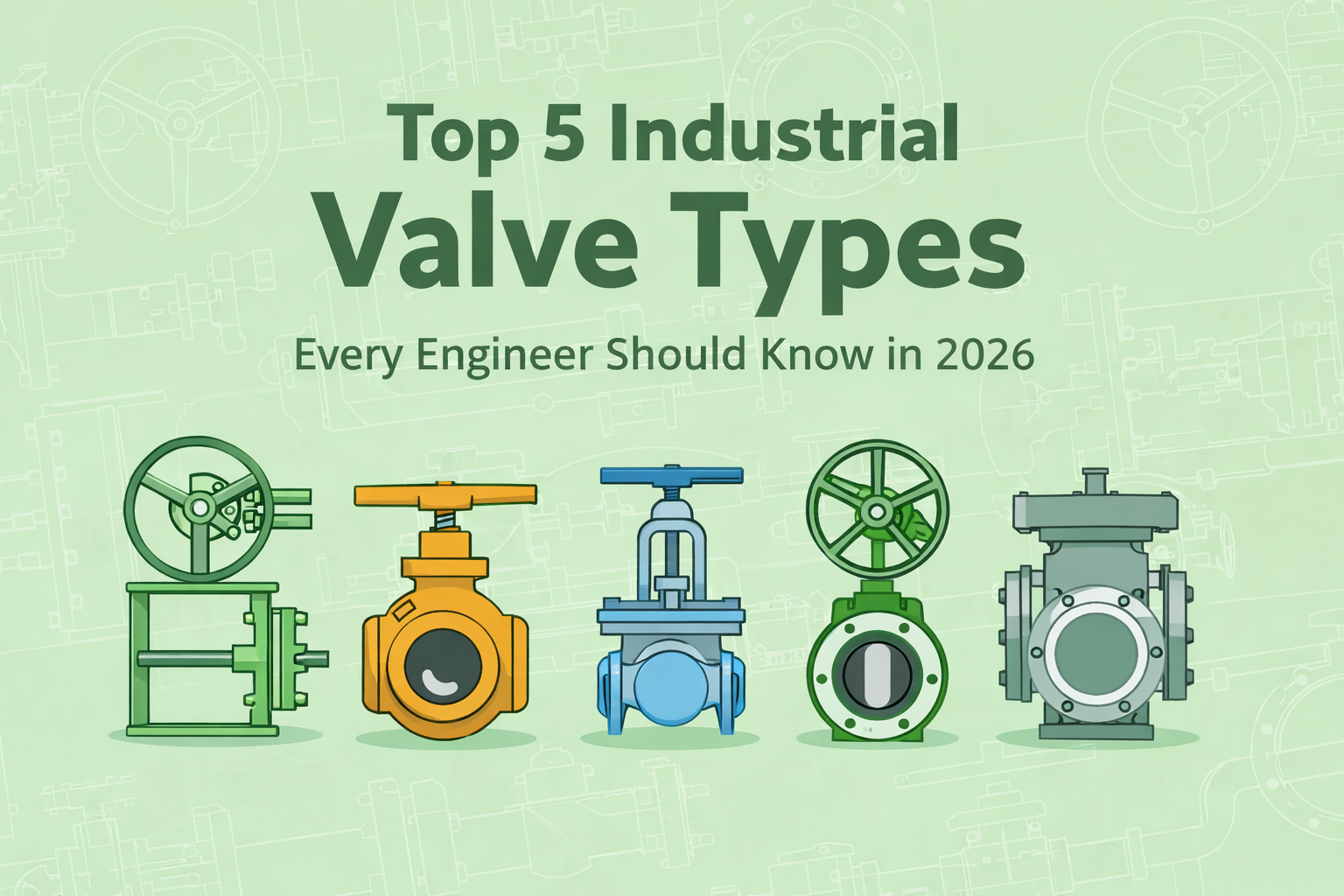
يُعد اختيار نوع الصمام الصناعي المناسب أحد أهم القرارات في تصميم النظام. فالاختيار غير المناسب، حتى مع استخدام صمامات عالية الجودة، قد يؤدي إلى التسرب، وفقدان الضغط، والاهتزاز، والحاجة إلى صيانة متكررة، وانخفاض كفاءة التشغيل على المدى الطويل. يغطي هذا الدليل أنواع الصمامات الصناعية الرئيسية ، وتطبيقاتها ومزاياها وقيودها، إلى جانب رؤى عملية لمساعدتك في اختيار الصمام المناسب لمشروعك في عام 2026. ما هي أنواع الصمامات الصناعية؟ تشير أنواع الصمامات الصناعية إلى تصاميم الصمامات المختلفة المستخدمة للتحكم في تدفق السوائل في أنظمة الأنابيب أو تنظيمه أو عزله. كل نوع مصمم لوظيفة محددة، مثل الإغلاق أو الخنق أو منع التدفق العكسي، ويُعد اختيار النوع الصحيح أمرًا بالغ الأهمية لسلامة النظام وكفاءته. خمسة أنواع رئيسية من الصمامات الصناعية وتطبيقاتها 1. صمام كروي الأفضل لـ: الإغلاق السريع وانخفاض الضغط تستخدم صمامات الكرة كرة دوارة ذات تجويف مستقيم. وعند فتحها بالكامل، فإنها توفر مقاومة ضئيلة، مما يجعلها واحدة من أكثر الخيارات كفاءة لنقل السوائل. التطبيقات الشائعة: ● خطوط أنابيب النفط والغاز ● أنظمة الضغط العالي ● عمليات تشغيل/إيقاف متكررة ملاحظات الاختيار: ● تصميمات الفتحة الكاملة تقلل من فقد الطاقة ● تتميز صمامات الكرة ذات المقعد المعدني بأداء أفضل في الظروف الكاشطة أو ذات دورات التشغيل العالية تجنبه في الحالات التالية: يلزم التحكم الدقيق في التدفق. قد يؤدي الخنق باستخدام صمام كروي إلى تلف أسطح منع التسرب بمرور الوقت. 2. صمام البوابة الأفضل لـ: خدمة العزل ذات مقاومة التدفق المنخفضة تعمل صمامات البوابة عن طريق رفع البوابة من مسار التدفق. وهي تُستخدم على نطاق واسع في خطوط الأنابيب ذات الأقطار الكبيرة حيث يكون التشغيل الكامل أو الإغلاق الكامل مطلوبًا. التطبيقات الشائعة: ● خطوط أنابيب نقل الطاقة لمسافات طويلة ● أنظمة معالجة المياه ● خطوط البخار ذات درجة الحرارة العالية ملاحظات الاختيار: ● انخفاض الضغط شبه معدوم عند الفتح الكامل ● توفر صمامات البوابة الإسفينية إحكامًا أفضل في ظروف درجات الحرارة العالية تجنبه في الحالات التالية: يتطلب الأمر تشغيلًا أو تحكمًا متكررًا. صمامات البوابة غير مصممة للتشغيل المتكرر. 3. صمام كروي الأفضل لـ: تنظيم التدفق بدقة تقوم صمامات الكرة الأرضية بدفع السائل عبر مسار تدفق متحكم فيه، مما يسمح بالتحكم الدقيق في التدفق وثباته. التطبيقات الشائعة: ● أنظمة البخار ● العمليات ذات درجات الحرارة العالية ● تطبيقات تنظيم التدفق ملاحظات الاختيار: ● أداء ممتاز في التحكم في السرعة ● تشغيل مستقر في ظل ظروف تدفق متقلبة تجنبه في الحالات التالية: يجب تقليل انخفاض الضغط إلى أدنى حد. صمامات الكرة الأرضية بطبيعتها تخلق مقاومة تدفق أعلى. 4. صمام عدم الرجوع الأفضل لـ: منع التدفق العكسي التلقائي تعمل صمامات الفحص تلقائيًا بناءً على اتجاه التدفق، مما يمنع التدفق العكسي الذي قد يتسبب في تلف المعدات. التطبيقات الشائعة: ● خطوط تصريف المضخة ● أنظمة الضواغط ● شبكات أنابيب العمليات ملاحظات الاختيار: ● تعمل صمامات الفحص المزدوجة والصامتة على تقليل ظاهرة الطرق المائي. ● يُعدّ اختيار المقاس المناسب والتركيب الصحيح أمراً بالغ الأهمية لتجنب اهتزاز القرص. تجنبه في الحالات التالية: يلزم إيقاف التشغيل أو العزل اليدوي. 5. صمام مغلق (صمام مغلق للخط) الأفضل لـ: العزل الإيجابي وأقصى درجات الأمان توفر الصمامات العمياء عزلاً مادياً عن طريق إدخال صفيحة صلبة في خط الأنابيب. وعلى عكس الص...
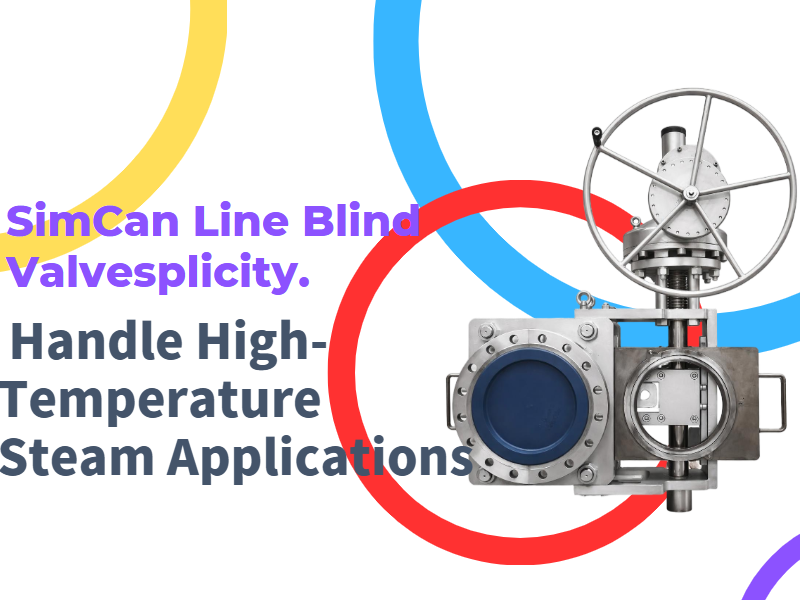
حديثاً، صمام ديرفوس ساعدت عميلاً في المجر على التغلب على تحدٍ شائع في أنظمة البخار الصناعية: كيفية عزل خطوط الأنابيب ذات درجات الحرارة العالية بأمان دون حدوث تسرب أو توقف. نظراً لتشغيل النظام ببخار مشبع عند درجة حرارة تقارب 250 درجة مئوية، وتعرضه لدرجات حرارة منخفضة تصل إلى -39 درجة مئوية، فقد تطلب نظام العميل حلاً متيناً وموثوقاً. غالباً ما تفشل الصمامات التقليدية في الحفاظ على إحكام الإغلاق في مثل هذه الظروف، كما تتطلب طرق العزل التقليدية تخفيض ضغط الخط، مما يزيد من وقت التوقف ومخاطر التشغيل. ولمعالجة هذه التحديات، قامت شركة ديرفوس بتوريد DN400 PN40 صمام خطي منزلق مغلق صُممت هذه الصمامات خصيصاً لتناسب الظروف القاسية للمشروع. وتتيح آلية الإغلاق المنزلقة للمشغلين التبديل بين وضعيتي التدفق والعزل دون الحاجة إلى تفريغ ضغط النظام، مما يعزز السلامة والكفاءة أثناء الصيانة. مصنوع من فولاذ 20GML المطروق وهيكل مانع للتسرب من الفولاذ المقاوم للصدأ المعدني، صمام يُقدّم أداءً موثوقًا به في كلٍّ من البخار ذي درجات الحرارة العالية والظروف المناخية الخارجية القاسية. يُقلّل تصميمه ذو الفتحة الكاملة من مقاومة التدفق، بينما يضمن المُشغّل اليدوي ذو التروس الدودية تشغيلًا سلسًا ومُتحكّمًا به حتى في الأحجام الكبيرة ومعدلات الضغط العالية. كما تُقلّل ميزات السلامة، مثل أجهزة منع التشغيل الخاطئ وهياكل الألواح الواقية، من مخاطر الأخطاء أثناء المناولة. منذ تركيبه، مكّن الصمام من التشغيل الخالي من التسريبات، وإجراءات الصيانة الأكثر أمانًا، والأداء المستقر في درجات الحرارة القصوى. صُمم الصمام ليدوم لأكثر من 30 عامًا، مما يوفر حلاً طويل الأمد قليل الصيانة، ويمنح العميل الثقة في موثوقية نظام البخار وسلامته. يسلط هذا المشروع الضوء على كيفية تمكن صمام الخط المنزلق المصمم بعناية من حل تحديات العزل الحرجة في تطبيقات البخار ذات درجات الحرارة العالية، حيث يج

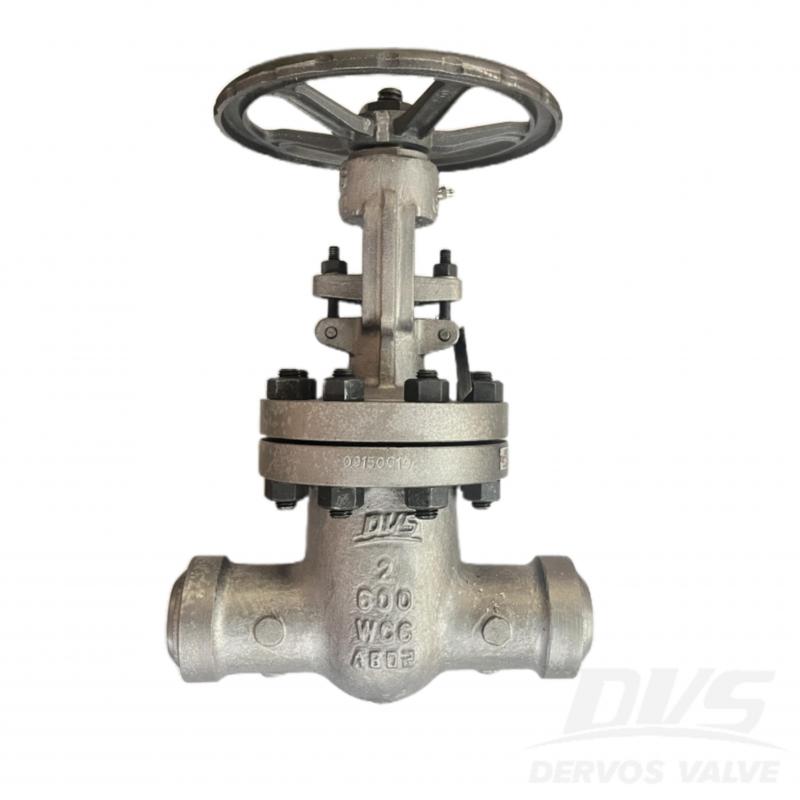
{p_0}
دفع:
30% when order confirmed, 70% before shipmentأصل المنتج:
Chinaاللون:
Customizationميناء الشحن:
Shanghai, Chinaالمهلة:
30~60 days Ex Works after order confirmationMaterial:
ASTM A217 WC6Method of Operation:
Non lifting handwheel
|
{p_1} |
{p_2} |
|
{p_3} |
{p_4} |
|
{p_5} |
{p_6} |
|
{p_7} |
{p_8} |
|
{p_9} |
{p_10} |
|
{p_11} |
{p_12} |
|
{p_13} |
{p_14} |
|
{p_15} {p_16} {p_17} |
{p_18} |
|
{p_19} |
{p_20} |
|
{p_21} |
{p_22} |
|
{p_23} |
{p_24} |
|
{p_25} |
{p_26} {p_27} |
|
{p_28} |
{p_29} |
{p_31}
{p_32}
{p_33}
{p_34}
إذا كنت مهتما في منتجاتنا و تريد أن تعرف المزيد من التفاصيل,يرجى ترك رسالة هنا وسوف نقوم بالرد عليك بأسرع ما يمكن.
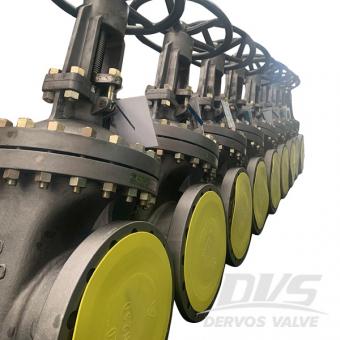
صمام البوابة 10ââ 300LB مصنوع وفقًا لـ API 600 معيار. جسم الصمام مصنوع من ASTM A217 C5 + STL. لديها الهيكلية خصائص ارتفاع الجذع وغطاء الترباس. صمام البوابة المتصل بواسطة شفة لديه طريقة تشغيل عجلة اليد.
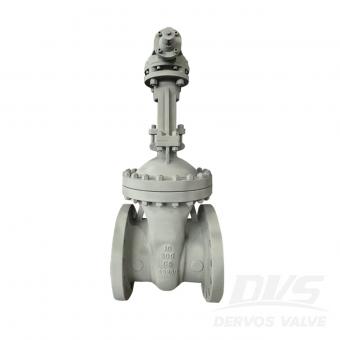
صمام البوابة 10 بوصة 300LB مصنوع وفقًا لـ API 600 معيار. جسم الصمام مصنوع من ASTM A217 C5. لديها الهيكلية خصائص غطاء الترباس، البوابة المرنة، الجذع الصاعد، OS&Y، التجويف الكامل و مقعد صمام الجسم. وضع الاتصال الخاص به هو RF (125 ~ 250AARH). ولها معدات مشطوفه وضع التشغيل.
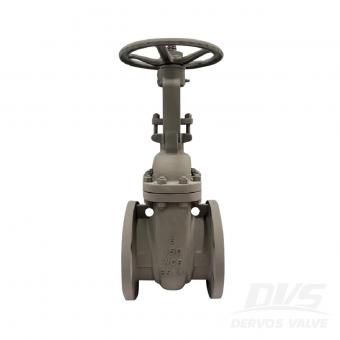
صمام البوابة 6 بوصة 150LB مصنوع وفقًا لـ API 600 معيار. جسم الصمام مصنوع من ASTM A217 WC6. لديها الهيكلية خصائص غطاء الترباس، البوابة المرنة، الجذع الصاعد، OS&Y، التجويف الكامل، مقعد صمام الجسم. وضع الاتصال الخاص به هو RF (125 ~ 250AARHï¼. وله وضع تشغيل عجلة اليد.
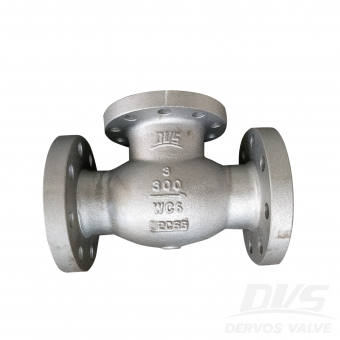
صمام كروي من الفولاذ السبائكي مقاس 3 بوصات، وزن 300 رطل، مصنوع وفقًا لمعيار API623. جسم الصمام مصنوع من الفولاذ A217 WC6. يتميز بنوع المسار المباشر وطول هيكلي 317.5 مم. وضع التوصيل هو RF، ويعمل بعجلة يدوية.
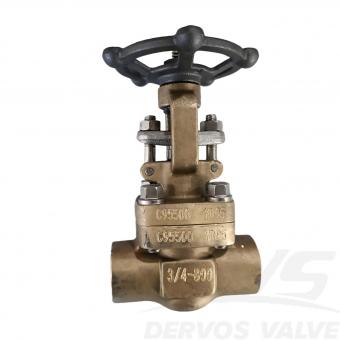
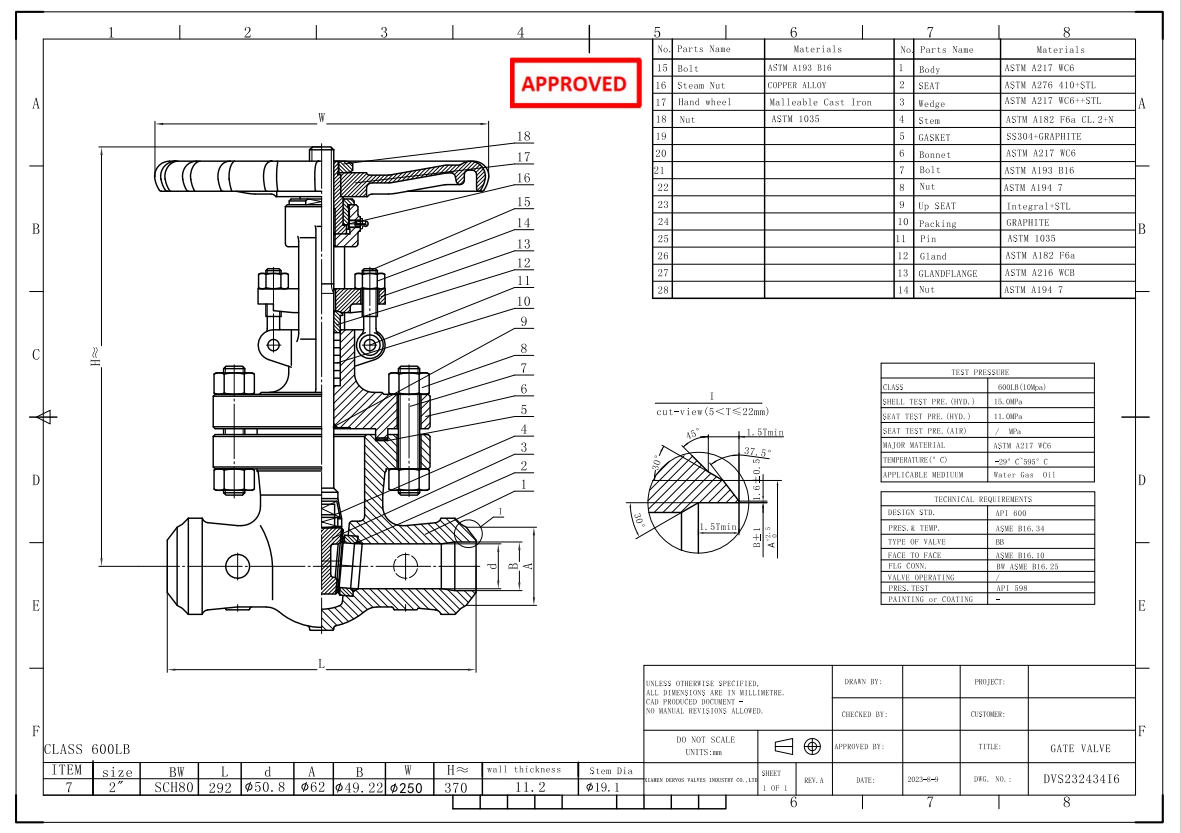
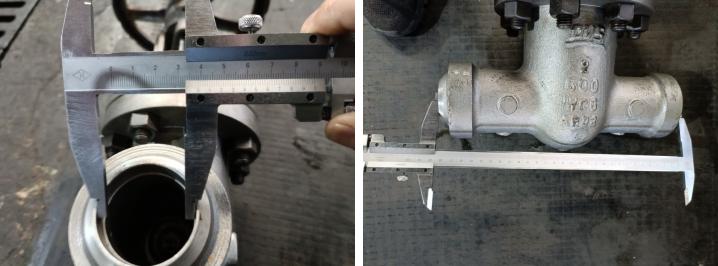
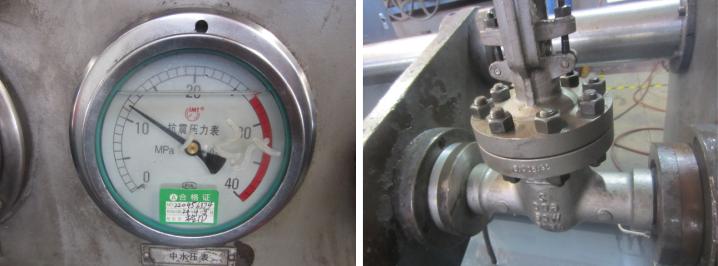
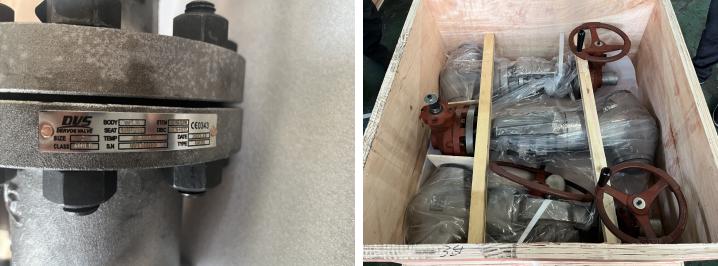
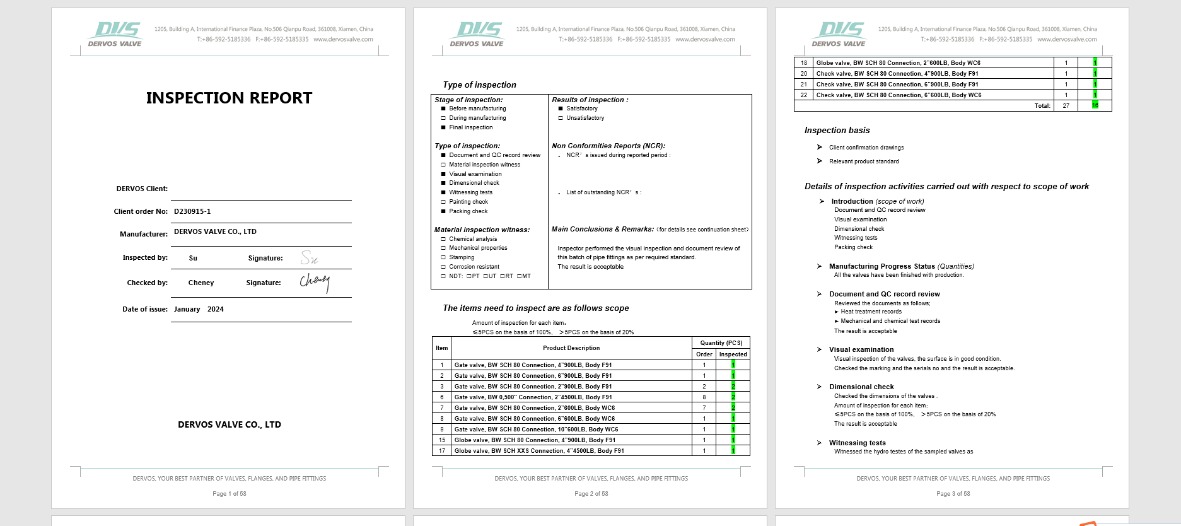
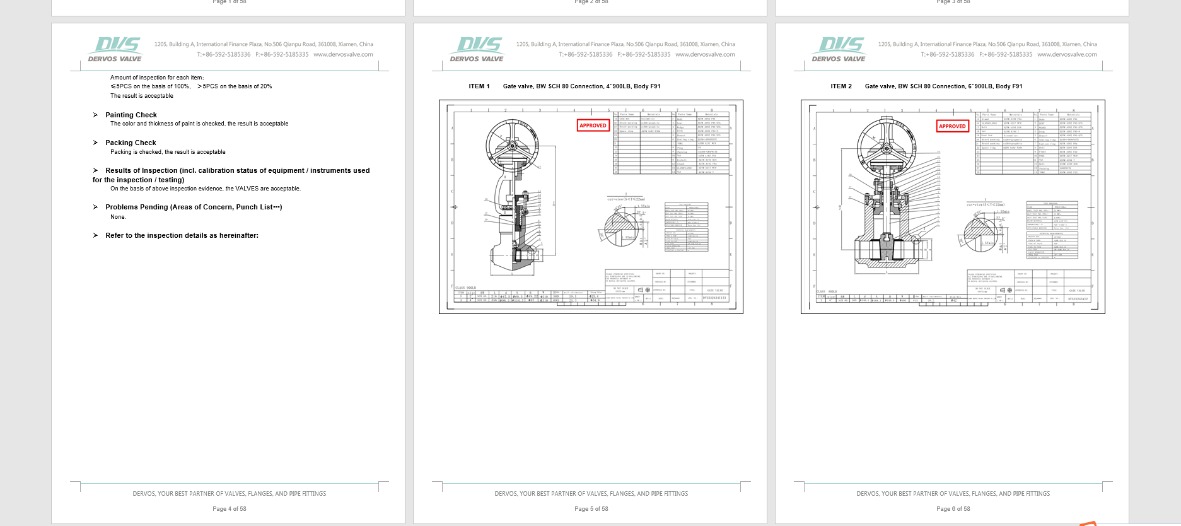
صمام بوابة 3/4 بوصة 800 رطل C95500 مصنوع وفقًا لمعيار API602. جسم الصمام مصنوع من C95500. طريقة توصيله مفتاحية (SW). ويحتوي على عجلة يدوية. وضع التشغيل. معايير المنتج يكتب صمام بوابة مقاس 3/4 بوصة ضغط 800 رطل اتصال جنوب غرب عملية عجلة يدوية مادة الجسم C95500 معيار التصميم API 602 نهاية الأبعاد ASME/ANSI B1.20.1 المواد مطابقة ASME/ANSI قانون الاختبار والتفتيش API598 الوسيلة المناسبة الماء والنفط والغاز سمات 1. مصنوع من برونز النيكل والألومنيوم C95500، مما يوفر مقاومة ممتازة للتآكل وقوة في مياه البحر والبيئات البحرية. 2. صمام بوابة متوافق مع معيار API 602 مع نهايات SW يضمن تركيبًا مضغوطًا وإغلاقًا موثوقًا به في تطبيقات ضغط 800 رطل. الرسم الفني فحص الأبعاد اختبار الضغط تقرير التفتيش


حقوق النشر © 2015-2026 DERVOS VALVE CO.,LTD.كل الحقوق محفوظة مدونة / خريطة الموقع / XML / سياسة الخصوصية