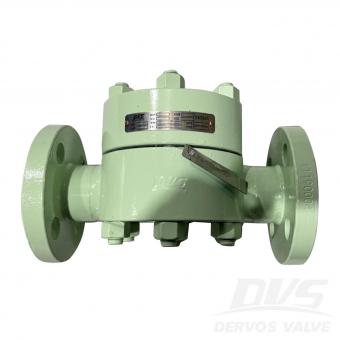
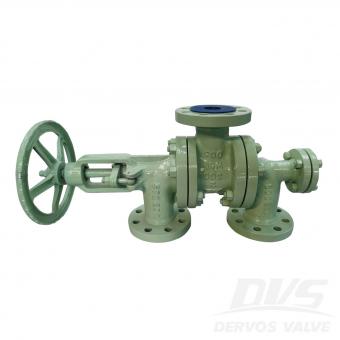
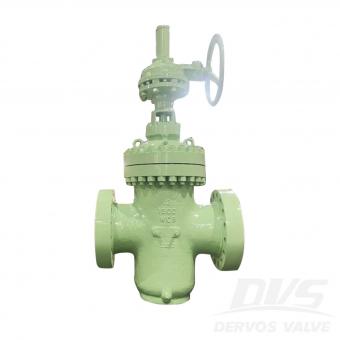
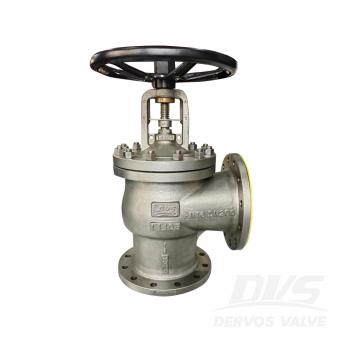
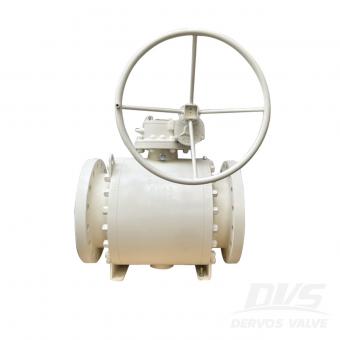
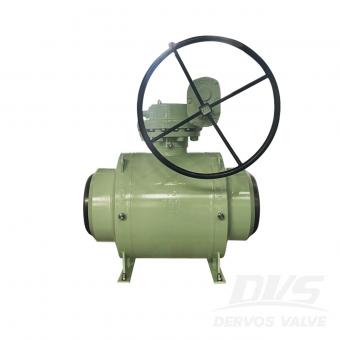
مبطن بمادة PTFE صمامات الفراشة تُستخدم صمامات الفراشة بشكل شائع في أنظمة الأنابيب للتحكم في تدفق المياه وإيقافه، وتُستخدم على نطاق واسع في صناعات مثل البترول والكيماويات والمعادن والطاقة الكهرومائية. في تقنية صمامات الفراشة الحالية، يعتمد إحكام غلق الصمام بشكل أساسي على مواد مانعة للتسرب لينة، مثل المطاط أو البولي تترافلوروإيثيلين (PTFE).
تتميز هذه الصمامات بحلقة إحكام للمقعد تتكون من حلقة إحكام ناعمة على شكل حرف T مُدمجة مع طبقات متعددة من الفولاذ المقاوم للصدأ. تُثبّت مادة البطانة على الجدار الداخلي لجسم الصمام من خلال عملية قولبة متخصصة، مما يسمح للصمام بمقاومة المواد شديدة التآكل، بما في ذلك الأحماض والقلويات القوية. بالإضافة إلى ذلك، يمكن أن يعتمد الصمام على بنية كرة عائمة كاملة التجويف (قطعتين) أو بنية كرة ثابتة (ثلاث قطع)، مما يجعله مناسبًا لإغلاق خطوط الأنابيب وتوصيلها وتنظيم السوائل والتحكم بها.
في الاستخدام العملي، تتعرض حشوة صمامات الفراشة المبطنة بمادة PTFE للتآكل، مما قد يؤثر سلبًا على أداء إحكام الصمام. فما هي أسباب تآكل الحشوة، وكيف يمكن معالجتها؟ فيما يلي: صمام ديرفوس يقدم هذا المقال عدة طرق شائعة لحل هذه المشكلة.
تشمل مواد التعبئة الشائعة لصمامات الفراشة المبطنة بمادة PTFE حبل الأسبستوس، وحشوات الجرافيت، وحشوات حلقات PTFE على شكل حرف V. تعمل هذه المواد بكفاءة عالية عندما يتعرض الصمام لعدد قليل من دورات الفتح والإغلاق. مع ذلك، ومع ازدياد وتيرة التشغيل، تتآكل الحشوة تدريجيًا، ويتسع الفراغ. عندما يصل الصمام إلى عدد معين من الدورات (عادةً لا يتجاوز 2000 دورة)، قد يحدث تسريب من الحشوة. عند هذه النقطة، يمكن استعادة فعالية الإحكام بإعادة ربط حلقة الحشوة بإحكام. هذه الطريقة مناسبة للتطبيقات ذات التشغيل غير المتكرر، ولكنها أقل ملاءمة للاستخدام المتكرر.
بالنسبة للصمامات التي تعمل بشكل متكرر (مثلاً، من 100,000 إلى 300,000 دورة سنوياً)، تُعدّ صيانة الحشوات التقليدية مكلفة ومتكررة. ولحل هذه المشكلة، يمكن إضافة حلقة معدنية أسفل الحشوة، مع تركيب زنبرك أسفلها. تُحسب قوة التحميل المسبق للزنبرك بدقة لضغط الحشوة تلقائياً مع تآكلها، مما يحافظ على أداء إحكام الصمام. وقد أظهرت التجارب العملية أن هذه الطريقة يمكن أن تزيد دورات تشغيل الصمام إلى ما بين 500,000 و1,000,000 دورة دون تسريب. ورغم أنه لا يزال من الضروري إعادة ربط حشوة الصمام خلال الصيانة السنوية الرئيسية، إلا أن وتيرة الصيانة الروتينية تنخفض بشكل كبير.
يُعدّ استخدام تقنية منع التسرب الهيدروليكية أو الهوائية نهجًا أكثر تطورًا. تُغيّر هذه الطريقة مفهوم تصميم الصمامات التقليدي من خلال استخدام حلقة انزلاقية محكمة الإغلاق داخل أسطوانة في الحشوة، بالإضافة إلى حلقات دائرية (يُحدد عدد الحلقات الانزلاقية والحلقات الدائرية بناءً على حسابات الاحتكاك وضغط منع التسرب). يُحسّن هذا بشكل ملحوظ عمر منع التسرب وموثوقية الصمام.
باستخدام الطرق المذكورة أعلاه، يمكن للمستخدمين اختيار حلول التعبئة الأنسب لصمامات الفراشة المبطنة بمادة PTFE وفقًا لظروف التشغيل ومتطلبات الصيانة الخاصة بهم. إن اختيار أسلوب الصيانة الصحيح لا يطيل عمر الصمام فحسب، بل يقلل أيضًا من تكاليف التشغيل والصيانة.


حقوق النشر © 2015-2026 DERVOS VALVE CO.,LTD.كل الحقوق محفوظة مدونة / خريطة الموقع / XML / سياسة الخصوصية