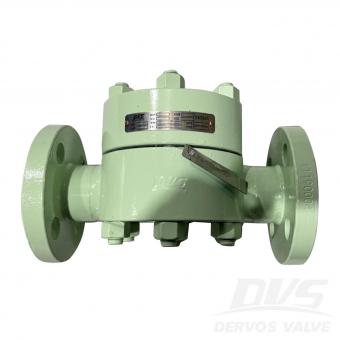
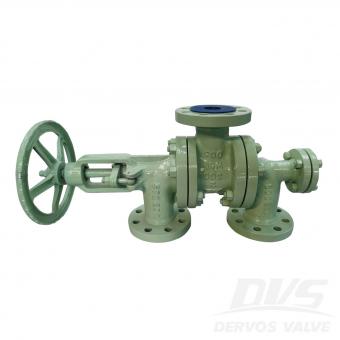
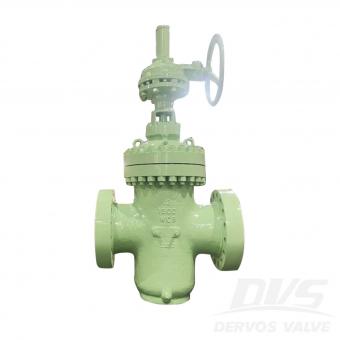
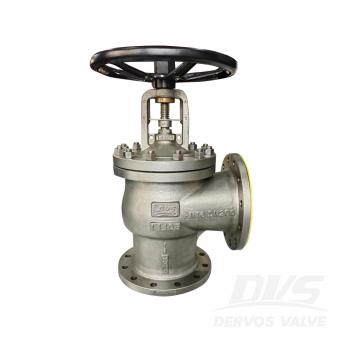
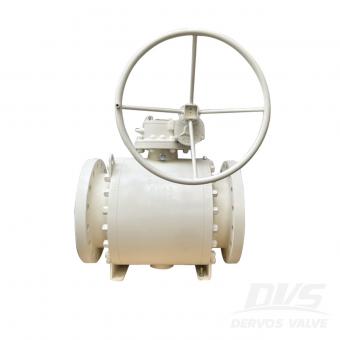
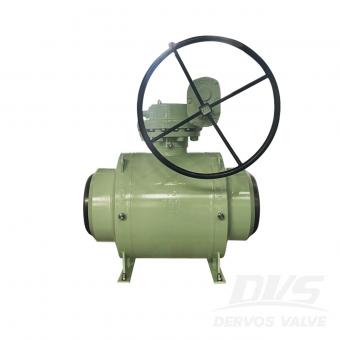
يشير قطب لحام الصمام إلى فئة من المواد الاستهلاكية المستخدمة في اللحام على وجه التحديد للتغطية الصلبة، ولحام الإصلاح، ولحام التراكب لمكونات الصمام، بما في ذلك جسم الصمام، وأسطح منع التسرب (مثل مقاعد الصمام وأقراص الصمام)، بالإضافة إلى وصلات اللحام بين الصمامات وخطوط الأنابيب.
إنه ليس منتجًا واحدًا، بل هو مصطلح عام لمجموعة من الأقطاب الكهربائية ذات خصائص أداء متخصصة، مصممة لتلبية ظروف الخدمة المختلفة والمواد الأساسية.
الخصائص الرئيسية
● مقاومة التآكل
قادر على مقاومة التآكل الناتج عن الوسائط التي يتعامل معها الصمام، مثل الماء والبخار والأحماض والقلويات والأملاح.
● مقاومة التآكل
يُعد هذا الأمر بالغ الأهمية بشكل خاص بالنسبة لأقطاب السطح المانعة للتسرب، والتي يجب أن تتحمل تآكل السوائل والاحتكاك الميكانيكي أثناء عمليات فتح وإغلاق الصمام.
● مقاومة درجات الحرارة العالية
مناسبة للصمامات التي تعمل في ظروف درجات الحرارة العالية والضغط العالي، مثل صمامات محطات الطاقة وصناعة الطاقة.
● أداء منع التسرب
ينبغي أن يوفر معدن اللحام المترسب على أسطح منع التسرب إحكامًا وموثوقًا، وخاليًا من العيوب مثل المسامية أو شوائب الخبث أو الشقوق.
● التوافق مع المادة الأساسية
يجب أن تتطابق التركيبة الكيميائية والخواص الميكانيكية للمعدن المترسب بشكل جيد مع مادة قاعدة الصمام، بما في ذلك الفولاذ الكربوني والفولاذ المقاوم للصدأ والفولاذ السبائكي، لضمان السلامة الهيكلية وعمر الخدمة.
تنقسم أقطاب لحام الصمامات عمومًا إلى فئتين رئيسيتين: أقطاب اللحام الهيكلي للمواد الأساسية وأقطاب التغطية الصلبة لأسطح منع التسرب.
أقطاب اللحام الهيكلية (أقطاب المادة الأساسية)
يُستخدم هذا النوع من الأقطاب الكهربائية في لحام أجسام الصمامات التي تتحمل الضغط أو في توصيل الصمامات بخطوط الأنابيب.
يعتمد الاختيار بشكل أساسي على المادة الأساسية للصمام.
J422 (E4303): قطب كهربائي متعدد الأغراض من النوع الحمضي، مناسب للحام الأجزاء غير الحرجة من صمامات الصلب منخفض الكربون العادي أو للوصلات العامة.
J507 (E5015): قطب كهربائي أساسي منخفض الهيدروجين يتميز بخصائص ميكانيكية ممتازة ومقاومة عالية للتشقق.
يستخدم على نطاق واسع في عمليات اللحام الهيكلي الحرجة لصمامات الصلب الكربوني متوسطة وعالية الضغط.
● صمامات من الفولاذ المقاوم للصدأ
A102 (E308-16): يستخدم في لحام صمامات الفولاذ المقاوم للصدأ الأوستنيتي من سلسلة 304.
A132 (E347-16): قطب كهربائي مثبت بالنيوبيوم (Nb)، مناسب للحام الفولاذ المقاوم للصدأ 321 و 304L وما شابه ذلك، مما يوفر مقاومة محسنة للتآكل بين الحبيبات.
A302 (E309-16): قطب لحام معدني غير متشابه، يستخدم للحام الفولاذ الكربوني بالفولاذ المقاوم للصدأ، أو لترسيب طبقة انتقالية من الفولاذ المقاوم للصدأ على ركائز الفولاذ الكربوني.
● صمامات من سبائك الصلب (مثال: WC6، WC9، C5، C12A)
ينبغي اختيار أقطاب الفولاذ السبائكي المتوافقة وفقًا لمادة الصمام.
على سبيل المثال:
R307 (E5515-B2): مناسب لصمامات الفولاذ المصنوع من سبائك الكروم والموليبدينوم، ويوفر مقاومة جيدة للحرارة ومقاومة للزحف، ويستخدم عادة في ظروف الخدمة ذات درجات الحرارة العالية.
أقطاب كهربائية لتغليف الأسطح الصلبة
تعتبر أقطاب اللحام السطحي الصلب للصمامات الفئة الأساسية والمميزة لأقطاب لحام الصمامات.
تُستخدم هذه المواد بشكل أساسي في اللحام التراكبي لمقاعد الصمامات وأقراص الصمامات، مما يوفر مقاومة ممتازة للتآكل والتآكل، ويطيل عمر خدمة أسطح منع التسرب.
أقطاب كهربائية مصنوعة من سبائك الكوبالت (Stellite®)
● الدرجات النموذجية: D802، D812، إلخ.
● التركيب الكيميائي: يتكون بشكل أساسي من الكوبالت (Co) والكروم (Cr) والتنغستن (W).
● الخصائص الرئيسية: غالباً ما يشار إليه باسم "ملك أقطاب التغطية الصلبة للصمامات".
توفر هذه الأقطاب الكهربائية ما يلي: مقاومة فائقة للتآكل؛ صلابة حمراء ممتازة (القدرة على الحفاظ على الصلابة في درجات حرارة مرتفعة)؛ مقاومة فائقة للتآكل؛ مقاومة عالية للصدمات
● التطبيقات:
يستخدم على نطاق واسع في صمامات محطات الطاقة ذات درجات الحرارة العالية والضغط العالي، وكذلك الصمامات التي تعمل في ظل ظروف التآكل الشديد والتآكل المكثف.
تكلفة المواد مرتفعة للغاية، وعادة ما يتم تخصيصها للخدمات الحيوية.
أقطاب كهربائية مصنوعة من سبائك النيكل
● الدرجات النموذجية:
سبائك NiCr-B-Si (مثل سبائك من نوع Hastelloy) أو سلسلة NiCu (من نوع Monel).
● الخصائص الرئيسية:
توفر مقاومة ممتازة للحرارة والتآكل، خاصة في: بيئات مُصغّرة؛ وسط قلوي قوي؛ ظروف حمضية معينة
● التطبيقات:
تُستخدم بشكل أساسي لصمامات الخدمة الكيميائية التي تتعامل مع الأحماض والقلويات والأملاح وغيرها من الوسائط شديدة التآكل.
أقطاب كهربائية مصنوعة من سبائك الحديد
● الدرجات النموذجية:
D507 (نوع 1Cr13)، D517 (نوع 2Cr13)، D547، إلخ.
● الخصائص الرئيسية:
يُعد الكروم العنصر الأساسي في صناعة السبائك، حيث يوفر ما يلي: مقاومة جيدة للتآكل؛ مقاومة متوسطة للتآكل الكيميائي؛ تكلفة أقل بكثير مقارنة بالسبائك القائمة على الكوبالت
● التطبيقات:
يستخدم عادة لأسطح منع التسرب للصمامات في الماء والبخار والزيت وظروف الخدمة المتوسطة الأخرى.
أحد أكثر مواد التغطية الصلبة استخداماً في الصمامات الصناعية.
أقطاب كهربائية مصنوعة من سبائك النحاس
● الدرجات النموذجية: T207 (برونز السيليكون)، T227 (برونز الفوسفور)، إلخ
● الخصائص الرئيسية:
مقاومة جيدة للتآكل الناتج عن الغلاف الجوي ومياه البحر
مزيج مثالي من مقاومة التآكل والمتانة
● التطبيقات:
مناسب لصمامات الحديد الزهر ذات الضغط المنخفض، والأنظمة البحرية، وصمامات خطوط أنابيب مياه البحر.
السابق :
لماذا يتم طلاء بعض الصمامات بالكهرباء؟التالى :
تطبيقات صمامات البوابة


حقوق النشر © 2015-2026 DERVOS VALVE CO.,LTD.كل الحقوق محفوظة مدونة / خريطة الموقع / XML / سياسة الخصوصية