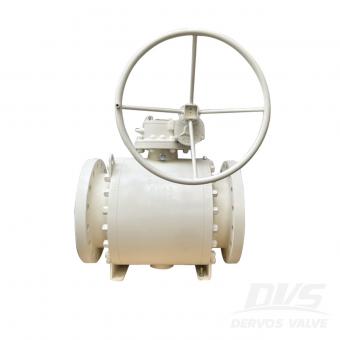
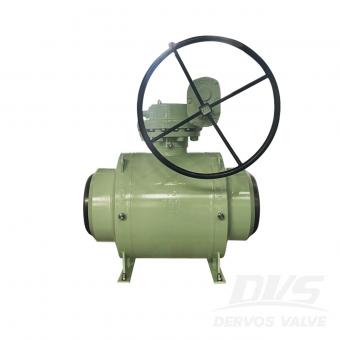
مقاومة التآكل المتوسط:
في بيئات التشغيل المختلفة، تتعرض الصمامات لوسائط متنوعة مثل الأحماض والقلويات والمحاليل الملحية والغازات المسببة للتآكل. قد تؤدي هذه الوسائط إلى تآكل السطح المعدني للصمام، مما يقلل من عمره الافتراضي. يمكن طلاء طبقة من معدن أو سبيكة مقاومة للتآكل - مثل الكروم أو النيكل أو الزنك - كهربائيًا لتشكيل طبقة واقية على سطح الصمام. تمنع هذه الطبقة بشكل فعال التلامس المباشر بين الوسط المعدني والمعدن الأساسي للصمام. صمام وبالتالي تعزيز مقاومة التآكل.
الوقاية من التآكل الكهروكيميائي:
في البيئات الرطبة أو بوجود الإلكتروليتات، تكون الصمامات عرضة للتآكل الكهروكيميائي. يساعد الطلاء الكهربائي على تثبيت جهد سطح الصمام ويقلل من احتمالية حدوث التآكل الكهروكيميائي. على سبيل المثال، يمكن لطبقة طلاء الزنك أن تُشكّل غشاءً كثيفًا من الأكسيد في الظروف الرطبة، مما يمنع الأكسجين والرطوبة من ملامسة المعدن الأساسي وبالتالي يمنع التآكل.
مقاومة محسّنة للتآكل:
أثناء تشغيل الصمام، يحدث احتكاك بين مكوناته، مثل سدادة الصمام ومقعده، وكذلك بين ساق الصمام والحشوة. قد يؤدي الاحتكاك المستمر إلى تآكل السطح، مما يقلل من كفاءة الإحكام ويقصر عمر الخدمة. يمكن لطلاء طبقة من معدن أو سبيكة عالية الصلابة ومقاومة للتآكل - مثل الكروم الصلب أو كربيد التنجستن - أن يزيد بشكل ملحوظ من صلابة السطح ومقاومته للتآكل، وبالتالي يقلل من التآكل.
عمر خدمة ممتد:
تُمكّن مقاومة التآكل المحسّنة الصمامات من الحفاظ على أداء موثوق به في ظل ظروف التشغيل القاسية، مما يُطيل عمرها الافتراضي. ويُعدّ هذا الأمر بالغ الأهمية في التطبيقات التي تتعرض لتآكل شديد، مثل صناعات التعدين والمعالجة الكيميائية والبترول، حيث يلعب الطلاء الكهربائي دورًا حاسمًا في تعزيز موثوقية الصمامات واستقرارها التشغيلي.
جودة جمالية محسّنة:
تُضفي عملية الطلاء الكهربائي لمسة نهائية لامعة وناعمة على سطح الصمام، مما يُحسّن مظهره العام. في التطبيقات التي يُعدّ فيها المظهر البصري مهمًا، مثل الديكور المعماري أو أنظمة معالجة الأغذية، يُمكن للصمامات ذات التشطيب الجيد أن تُساهم في إضفاء صورة أكثر احترافية ورقيًا على النظام بأكمله.
سهولة التنظيف:
بعد عملية الطلاء الكهربائي، يصبح سطح الصمام أكثر نعومة وأقل عرضة لتراكم الغبار أو التصاق الأوساخ، مما يُسهّل عملية التنظيف والصيانة. وهذا أمر بالغ الأهمية للحفاظ على الأداء الأمثل ومعايير النظافة، لا سيما في صناعات مثل تصنيع الأغذية والأدوية.
للتطبيقات المتخصصة:
في بعض التطبيقات التي تتطلب التوصيل الكهربائي، مثل الصمامات اللولبية أو الصمامات المضادة للكهرباء الساكنة، يمكن أن يؤدي طلاء طبقة من معدن عالي التوصيل - مثل النحاس أو الفضة - إلى تحسين التوصيل الكهربائي للصمام لتلبية متطلبات وظيفية محددة.
ضمان نقل الإشارة:
في أنظمة التحكم الآلي، تُعدّ الموصلية الكهربائية للصمامات أساسية لنقل الإشارات بكفاءة ودقة عالية. ويمكن للطلاء الكهربائي أن يضمن اتصالاً كهربائياً جيداً بين الصمام ونظام التحكم، مما يُحسّن موثوقية النظام واستقراره بشكل عام.
قوة ميكانيكية محسّنة:
يمكن للطلاء الكهربائي أن يزيد من صلابة سطح الصمامات، مما يحسن من قوتها الميكانيكية ومقاومتها للصدمات. وهذا أمر بالغ الأهمية للصمامات المستخدمة في ظروف التشغيل ذات الضغط العالي أو درجة الحرارة العالية أو أحمال الصدمات.
الوقاية من التشوه والتلف:
تُقاوم طبقة الطلاء الكهربائي عالية الصلابة القوى الخارجية بفعالية، مما يقلل من خطر التشوه والتلف أثناء الاستخدام. على سبيل المثال، في بعض صمامات الضغط العالي، تُسهم طبقة طلاء الكروم الصلب في زيادة صلابة وقوة ساق الصمام، مما يمنعه من الانحناء أو الكسر.


حقوق النشر © 2015-2026 DERVOS VALVE CO.,LTD.كل الحقوق محفوظة مدونة / خريطة الموقع / XML / سياسة الخصوصية