تستحق صمامات عزل الخطي التقييم عندما يتم عزل خط الأنابيب عدة مرات في السنة، أو عندما يتسبب تغيير تقليدي واحد في ساعات من الإغلاق، أو أعمال الرفع، أو التعرض الكبير للمتبقيات الخطرة. لا يوجد عدد دورات عام يضمن استرداد الاستثمار. قد يبرر خط حيوي كبير يتم تشغيله مرتين في السنة الاستثمار، بينما قد لا يبرره خط صغير يسهل الوصول إليه ويتم تشغيله شهريًا. يجب أن يعتمد القرار على تكلفة ومخاطر كل حدث عزل كامل، وليس على التكرار بمفرده. لا توجد قاعدة قياسية تنص على "عمليتين في السنة" يستخدم بعض الموردين تغييرًا أو تغييرين سنويين كحد أدنى للفحص الأول. يمكن أن يبدأ ذلك نقاشًا، ولكنه ليس قاعدة هندسية. للفيزياء والتكرار عواقب مختلفة تمامًا على خط خدمات DN50 وخط غاز معالجة رئيسي DN600. للمراجعة الأولية، تُعد النطاقات التالية مفيدة ولكنها ليست إلزامية: تكرار العزل التفسير الأولي مرة واحدة لكل إغلاق رئيسي أو أقل غالباً ما يكون قرص العزل القابل للإزالة أو قرص العزل المزدوج أكثر اقتصاداً. من مرة إلى ثلاث مرات في السنة قَارن العمالة، والرفع، ومدة التوقف، ومخاطر الوسط بعناية. ربع سنوي إلى شهري إن صمام عزل الخط سريع العمل هو عادة مرشح قوي. أسبوعياً أو أكثر من ذلك يستحق العزل المصمم لغرض معين أو المتبوع بالآلية مراجعة تفصيلية؛ وتأكد أيضاً من أن صمام عزل الخط مناسب لخدمة الدورة المطلوبة. يمكن لتكرار التشغيل المنخفض أن يدعم التركيب عندما يتطلب كل حدث سِقالات، أو رافعة، أو عدة فنيي أنابيب، أو انقطاعاً طويلاً في الإنتاج. وعلى العكس من ذلك، فإن التشغيل المتكرر لا يبرر استخدام صمام عزل الخط إذا كانت العملية لا تستطيع استيعاب ضغطه، أو حرارته، أو مواده، أو احتياجات صيانتها. احسب التغيير الكامل إن عملية العزل التقليدية أكبر بكثير من مجرد تحريك لوحة. فبعد تأمين الخط، يقوم العمال بفك المسامير، وتوسيع وصلة الشفة، والتعامل مع اللوحة العمياء أو الفاصلة، واستعادة الحشوات، وإعادة المحاذاة، وربط الوصلة، وإكمال فحوصات التسرب. وتتطلب الأحجام الكبيرة معدات رفع ووصول إضافية. يحافظ الصمام العمياء السريع للخط على اللوحة النظارية أو الانزلاقية مدعومة داخل التجميع المثبت. عادة ما تشير أدبيات الشركة المصنعة إلى إمكانية التغيير بواسطة شخص واحد في غضون دقائق بدلاً من ساعات العمل المطلوبة للأعمال التقليدية للشفات. تعتبر هذه الأرقام مفيدة للتقييم الأولي، ولكن يجب أن يستخدم حساب المشروع إجراءات المصنع الخاصة وأوقات التوقف المسجلة. استخدم مقارنة بسيطة: التكلفة المتجنبة السنوية = العمليات في السنة × التكلفة المتجنبة لكل عملية قد تتضمن التكلفة المتجنبة ساعات عمل فني الأنابيب، وأعمال الرفع، والسقالات، والحشوات والمسامير، واختبار التسرب، وقيمة الإنتاج للوقت الموفر. احرص على فصل الفئات لتجنب ازدواجية الحساب. قارن التوفير السنوي مع سعر التركيب الإضافي لصمام عزل الخط وتكلفة صيانته. قد تكون المخاطر أهم من فترة الاسترداد البسيطة إن فصل الشفات المتكرر يخلق فرصاً للتعرض للمداس المتبقي، وتلف أسطح الشفات، وسوء المحاذاة، والتحميل غير المتسق للمسامير. وتزداد المخاوف مع الوسائط السامة أو القابلة للاشتعال أو الساخنة أو التي يسهل تفريغها. إن تقليل التعامل مع اللوحة والرؤية الواضحة للوضع قد يبرران استخدام صمام عزل الخط حتى بدون فترة استرداد مالي قصيرة. لا يلغي هذا الحاجة إلى عزل العمليات. عادة ما يتم تشغيل صمامات عزل الخط السريعة فقط بعد إيقاف تشغيل الخط، وخفض ضغطه، وتأمينه. ولا ينبغي أبداً تفسير ...
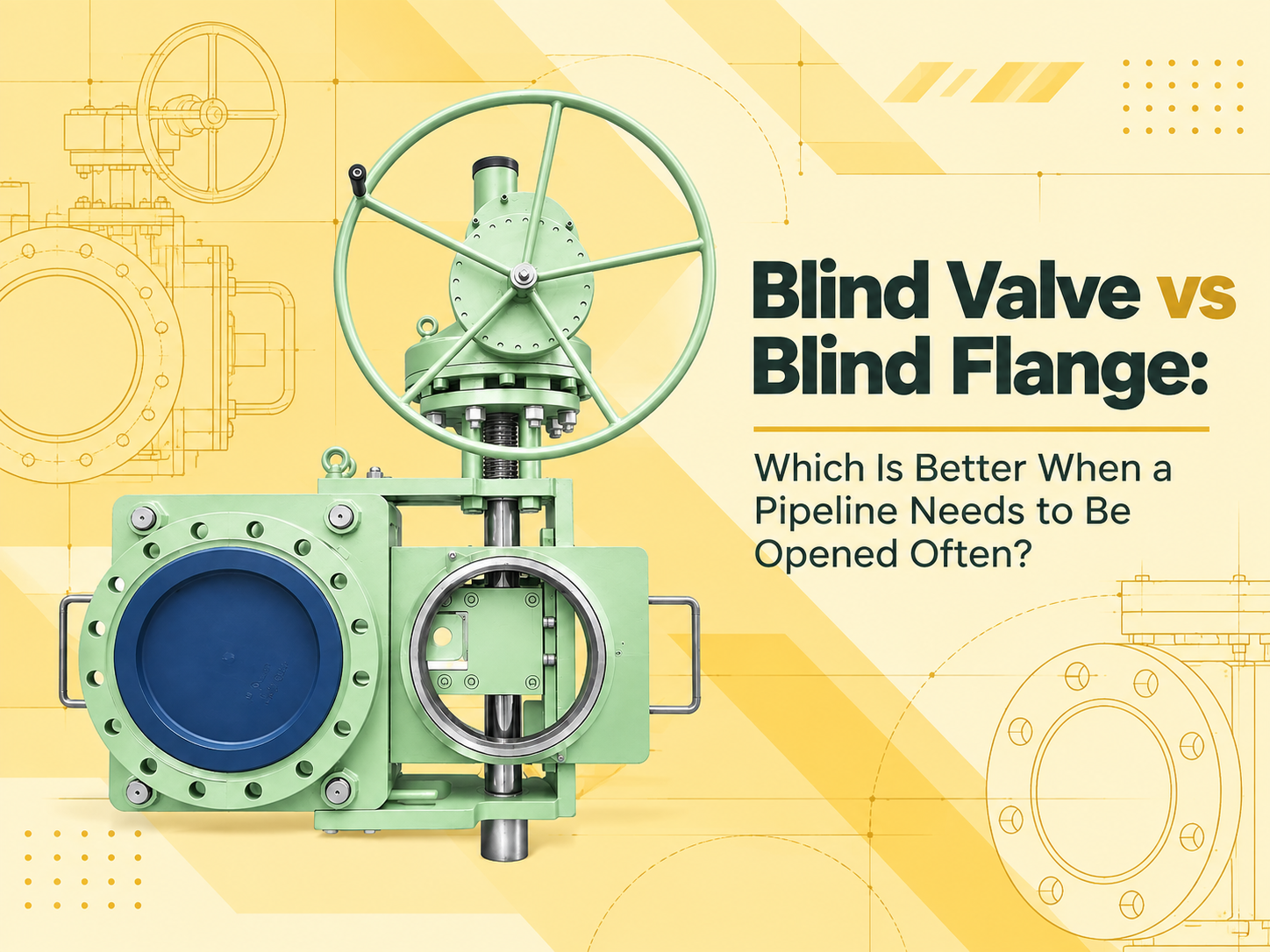
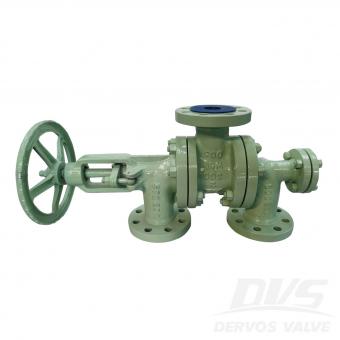
عندما يجب فتح خط الأنابيب وعزله بشكل إيجابي ومتكرر، فإن صمام العزل الأعمى (line blind valve) عادة ما يكون الخيار الأفضل. فهو يبقي آلية العزل مثبتة بشكل دائم ويسمح للمشغلين بالتبديل بين وضعي الفتح والإغلاق دون الحاجة إلى إزالة غطاء طرفي مثبت بمسامير بشكل متكرر. تكلّف الشفة العمياء (blind flange) أقل وتحتوي على أجزاء متحركة أقل، لكنها أكثر ملاءمة لإغلاق طرف أنبوب سيظل مغلقاً لفترات طويلة. تفترض هذه الإجابة أن "الشفة العمياء" تعني شفة صلبة مثبتة بمسامير في نهاية أنبوب أو فوهة. أما العازل النظاري (spectacle blind) أو العازل القابل للإزالة (spade) المثبت بين شفتين فهو جهاز مختلف، على الرغم من أنه ينشئ حاجز عزل معدني صلب مماثل. التغيير المتكرر للفتح يغير حساب التكلفة سعر الشراء يرجح كفة الشفة العمياء. فبناؤها بسيط، وتقتصر الصيانة إلى حد كبير على فحص وجه الشفة، والحشية، والمسامير، والصواميل. إذا كان الإغلاق لن يتم التعامل معه إلا أثناء فترات التوقف العرضية، فمن الصعب التغلب على هذه البساطة. أما الفتح المتكرر فيغير الصورة. تتطلب إزالة الشفة العمياء إيقاف تشغيل الخط، وتفريغ الضغط، وتصريفه أو تطهيره، والتحقق من سلامته. يجب بعد ذلك فك المسامير، ودعم الشفة، وفصل أسطح الإغلاق. قد تتطلب الشفاه الأكبر حجماً معدات رفع. تتطلب إعادة التجميع حشية جديدة، وربطاً محكماً للمسامير، واختباراً للتسرب. لا تعتبر أي من هذه الخطوات غير عادية، لكن تكرارها يحول مكوناً منخفض التكلفة إلى طريقة تشغيل كثيفة العمالة. يتطلب صمام العزل الأعمى أيضاً عزل الخط وتفريغ الضغط منه قبل تغيير وضعه ما لم ينص تصميمه المعتمد وإجراءات تشغيله على خلاف ذلك صراحةً. وتكمن ميزته في المناولة الميكانيكية: حيث يظل اللوح أو الفاصل أو العنصر المنزلق محتجزاً داخل جسم الصمام، وتقوم الآلية بفصل أسطح الإغلاق وتحريكها وإعادة تثبيتها. قد تناسب التروس اليدوية قوى التشغيل المعتدلة؛ بينما قد يكون التشغيل الكهربائي أو الهوائي أو الهيدروليكي مبرراً للأحجام الكبيرة أو التشغيل عن بُعد. صمام العزل الأعمى يقلل من المناولة ولكنه يضيف معدات للصيانة بالنسبة للتبديل المتكرر، يمكن لصمام العزل الأعمى تقصير المهمة وتقليل المناولة المتكررة للألواح والمسامير والحشيات الثقيلة. عادة ما يكون وضع الفتح أو الإغلاق مرئياً من اللوح الخارجي أو مؤشر الوضع، مما يساعد في التحقق الميداني. كما أنه يتجنب إجبار الأنابيب المتصلة على التباعد بشكل متكرر لإدخال أو إزالة العازل. تأتي هذه المزايا مع صيانة إضافية. يجب أن تظل الموجهات، والبراغي، وعلب التروس، والمكونات الهيدروليكية، والأختام، وأقفال التعشيق (interlocks) تعمل بكفاءة. يمكن أن تعيق رواسب المنتج أو التآكل حركة اللوح، بينما يمكن أن تمنع أسطح الإغلاق التالفة إعادة التثبيت الموثوقة. لذلك يحتاج التركيب إلى تصريف، ووصول للتنظيف، وخلوص محيطي كافٍ لإكمال الحركة الكاملة وصيانة الآلية. لا تحتوي الشفة العمياء على آلية تشغيل قد تتعطل. ومع ذلك، فإن الإزالة المتكررة يمكن أن تلحق الضرر بوجوه الشفة، أو تمدد المسامير أو تسبب تآكلها، وتخل بمحاذاة الأنابيب، وتعرض العمال للمواد المتبقية. السؤال ليس ببساطة أي جهاز يحتوي على أجزاء أقل؛ بل هو ما إذا كان التفكيك المتكرر يخلق عملاً ومخاطر أكثر من صيانة صمام عزل أعمى مصمم لهذا الغرض. العزل الإيجابي يعتمد دائماً على الإجراء يمكن لكلا الترتيبين وضع حاجز صلب مقاوم للضغط عبر التجويف. تصف إدارة السلامة والصحة المهنية (OSHA) العزل (blanking or blindi...

نعم، يمكن عادةً إضافة صمام عزل الخط (line blind valve) إلى خط أنابيب موجود، ولكن المهمة نادراً ما تكون بسيطة كقطع جزء قصير وإدخال الصمام. يجب أن يتناسب الصمام مع الفلنجات (الشفاه) وفئة الضغط الموجودة، ولكن هذا هو الفحص الأول فقط. كما يحتاج الصمام إلى مساحة لتحرير آلية الإغلاق، وتحريك لوحة العزل، وإعادة التثبيت، والبقاء في متناول اليد للتشغيل المستقبلي. يجب بعد ذلك دعم الأنابيب المعدلة وفحصها واختبارها قبل إعادتها إلى الخدمة. الصمام الذي يتناسب بين نهايتي الأنبوب ولكنه لا يستطيع إكمال شوط تشغيله ليس خياراً قابلاً للتعديل. ابدأ بنطاق التشغيل الكامل يخبرك الطول من الوجه إلى الوجه بمقدار الأنبوب الذي يجب إزالته. ولا يخبرك بمقدار المساحة التي يحتاجها الصمام بمجرد بدء حركته. يحتاج صمام العزل من النوع المتأرجح (swing-type) إلى قوس واضح للوحة النظارة (spectacle plate). قد تمتد هذه المساحة إلى ما هو أبعد من جسم الصمام. يمكن للأنابيب المجاورة، ومسارات الكابلات، والدرابزين، والمنصات، والعزل، والفولاذ الهيكلي أن تعيق الحركة. يحتاج التصميم المنزلق إلى مساحة كافية للوحة لتتحرك جانبياً أو رأسياً. وتضيف آلية التشغيل، أو صندوق التروس، أو الأسطوانة الهيدروليكية، أو المشغل متطلبات خلوص إضافية. تحقق من رسم الترتيب العام للشركة المصنعة من أجل: ● الطول من الوجه إلى الوجه ● أقصى عرض وارتفاع للجسم ● حركة اللوحة الكاملة أو نصف قطر التأرجح ● خلوص العجلة اليدوية أو صندوق التروس أو المشغل ● المساحة المطلوبة لإزالة الأختام والأجزاء الداخلية ● نقاط الرفع والوصول إلى معدات الرفع ● موضع الوقوف الآمن للمشغل لا تقم بالقياس من خط منتصف الصمام فقط. قد يبتعد مشغل التروس عن الأنبوب المجاور بينما لا تزال لوحة العزل تصطدم به في منتصف الشوط. الاتجاه مهم أيضاً. في الأنابيب الرأسية، تتطلب بعض التصميمات وضعاً محدداً للآلية حتى لا تسحب الجاذبية مكوناً غير مثبت من مكانه. على سبيل المثال، تتطلب تعليمات الشركة المصنعة لتصميم يعمل بالكامة (cam-operated) تثبيت آلية الكامة أسفل لوحة النظارة على خط رأسي. تحقق من خط الأنابيب الحالي قبل اختيار الصمام الرسومات القديمة مفيدة، ولكن يجب أن يعتمد التناسب النهائي على القياسات الميدانية. ربما تم إصلاح خطوط الأنابيب الحالية أو تغيير مسارها أو سحبها خارج المحاذاة منذ إصدار الرسومات الأصلية. سجل القياسات الفعلية لـ: ● القطر الخارجي للأنبوب والجدول (schedule) ● معيار الفلنجة، والحجم، والفئة، والوجه ● المسافة بين وجوه الفلنجات أو نقاط القطع المقترحة ● خط منتصف الأنبوب واتجاه الفلنجة ● الحركة المتاحة في الخط الحالي ● سماكة العزل والتتبع الحراري ● الدعامات والموجهات ووصلات التمدد المجاورة ● ضغط وتصميم ودرجة حرارة التشغيل ● الوسط، وبدل التآكل، ومواصفات المواد قد تستخدم الشفاه التي تبدو متشابهة عمليات ثقب أو واجهات أو أبعاداً مختلفة. تأكد من التعيين الكامل للشفة بدلاً من الاعتماد على الحجم الاسمي وفئة الضغط فقط. يجب أن تتناسب الحشية المختارة أيضاً مع واجهة الشفة والوسط ودرجة الحرارة والتشطيب السطحي. إن تركيب صمام جديد بين واجهات شفاه تالفة أو متآكلة بشدة لن ينتج وصلة موثوقة. إذا كان الصمام يحتوي على نهايات ملحومة، فيجب أن تتطابق مادة الأنبوب، وسمك الجدار، وتجهيز نهاية اللحام، وإجراءات اللحام، ومتطلبات التسخين المسبق والمعالجة الحرارية بعد اللحام مع النظام الحالي. قد تحتاج الأجزاء الداخلية للصمام أيضاً إلى الحماية من الحرارة وتناثر اللحام أثناء التركيب...


حقوق النشر © 2015-2026 DERVOS VALVE CO.,LTD.كل الحقوق محفوظة مدونة / خريطة الموقع / XML / سياسة الخصوصية