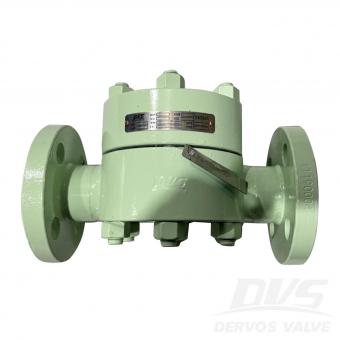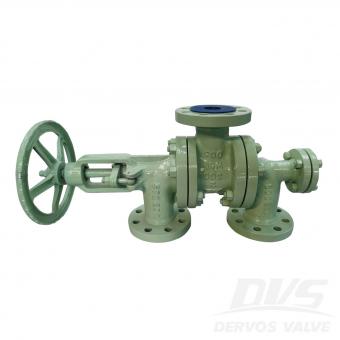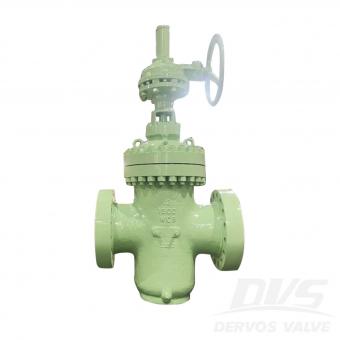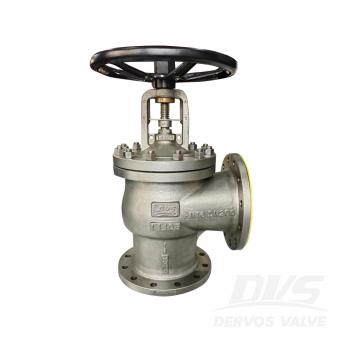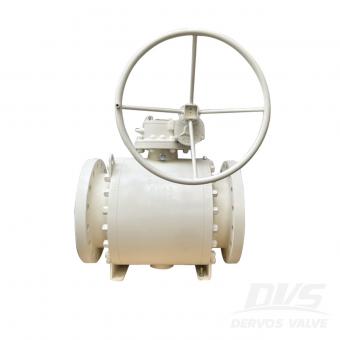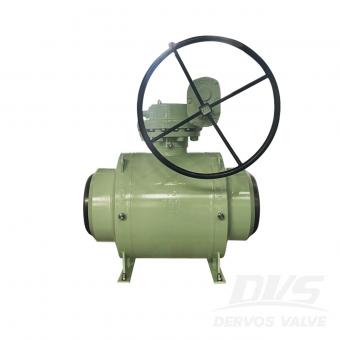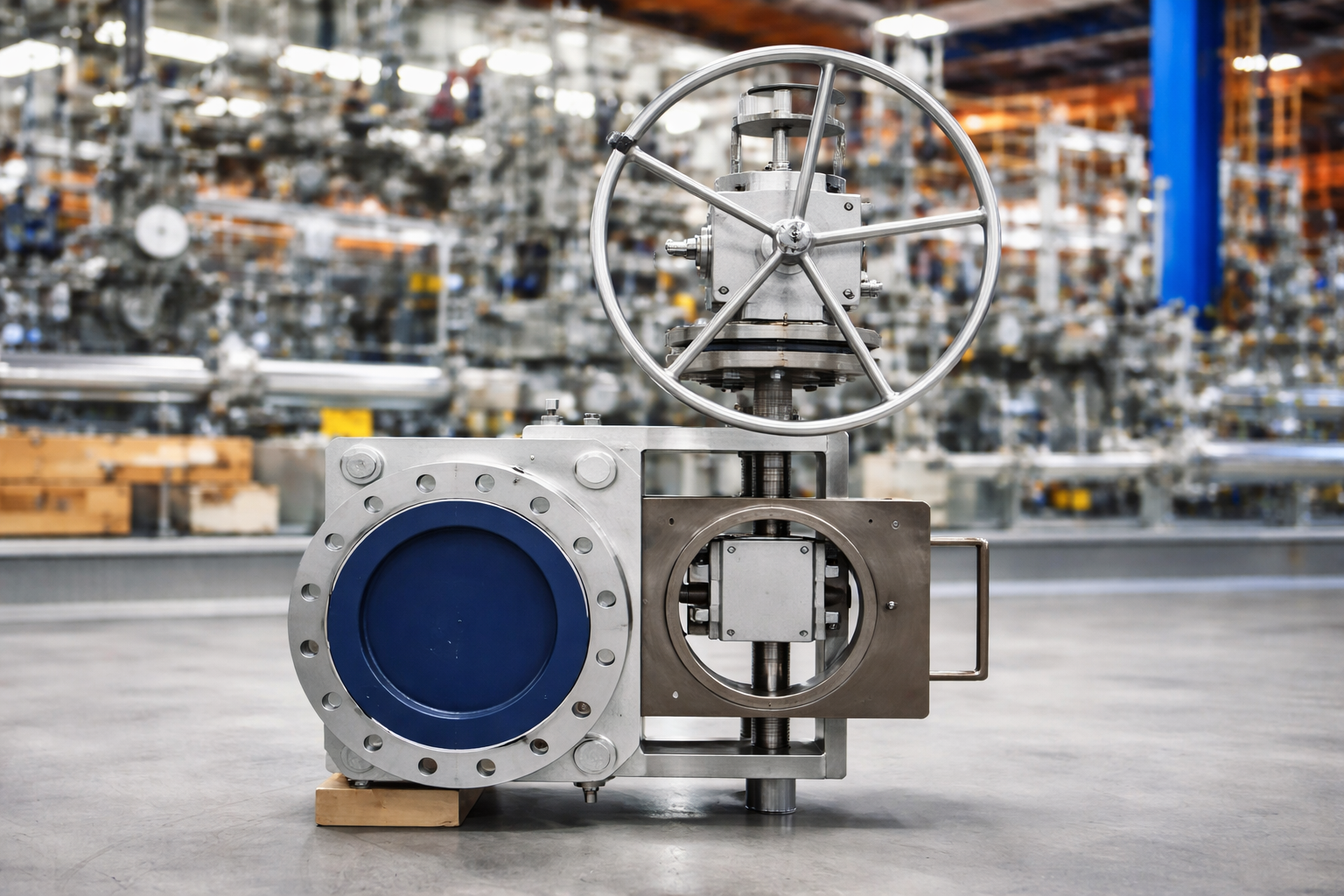
تُستخدم صمامات البوابة والصمامات العمياء لعزل خطوط الأنابيب، لكنها تعمل وفق مبادئ مختلفة بشكل أساسي. في أنظمة الأنابيب الصناعية، إذا كان الهدف هو عزلة جسدية حقيقية (في حالة العزل الإيجابي)، فإن الصمام الأعمى (صمام أعمى / صمام خط أعمى) يكون عمومًا أكثر موثوقية من الصمامات التقليدية. فبدلاً من الاعتماد على إحكام إغلاق المقعد، فإنه يعزل الوسط من خلال لوحة عمياء صلبة وهذا ما يحدد نطاق تطبيقه وقيمته الهندسية. يمكن فهم الخصائص الرئيسية للصمام الأعمى من منظور هندسي على النحو التالي: 1. العزلة الجسدية المطلقة لو انعدام التسرب إذا كان ذلك مطلوبًا، فإن الصمامات التقليدية (مثل صمامات البوابة أو صمامات الكرة) تشكل خطرًا، لأن أدائها يعتمد على سلامة الختم. تتبع الصمامات العمياء منطقًا مختلفًا: ▶ إذا تم إدخال صفيحة صلبة، فسيتم حجب التدفق تمامًا ▶ إذا تم وضع اللوحة العمياء بشكل صحيح، فلن يكون فشل الإحكام مصدر قلق بعد الآن وهذا يجعل الصمامات العمياء أكثر ملاءمة لـ: ● عزل خطوط أنابيب النفط والغاز ● مواد قابلة للاشتعال (البترول، الغاز الطبيعي المسال، المواد الكيميائية) ● نظام بخار عالي الحرارة s الخلاصة الهندسية: إذا كان المشروع يتطلب عزلاً يمكن التحقق منه، فيجب إعطاء الأولوية للصمام الأعمى على الصمامات الصناعية التي تعتمد على منع التسرب. 2. إمكانية التشغيل المباشر تتطلب الستائر التقليدية ذات المجرفات والفواصل عادةً تفكيك الحافة، مما يزيد من تعقيد التشغيل ويؤدي إلى مخاطر تتعلق بالسلامة. الصمامات العمياء (مثل صمام ستائري منزلق تم تصميم صمامات التأرجح والستائر ذات الأغطية المتحركة بنهج مختلف: ▶ إذا تطلب الأمر التبديل المتكرر بين التشغيل والصيانة، فيجب تقليل التدخل اليدوي إلى الحد الأدنى. ▶ إذا لم يُسمح بالإغلاق، فيجب إجراء عملية التحويل في ظل ظروف خط الأنابيب المضغوط (رهناً بالتصميم المحدد). لذلك: ● صمام انزلاقي مغلق: مناسب للمساحات المحدودة ومتطلبات التشغيل الآلي العالية ● صمام الستارة المتأرجح: بنية بسيطة، مناسبة لتردد التبديل المتوسط إلى المنخفض ● صمام حجب الرؤية على شكل نظارة : مناسب للتشغيل بتردد منخفض والمشاريع الحساسة للتكلفة الخلاصة الهندسية: إذا كانت الصيانة متكررة أو كان الإيقاف غير ممكن، فيجب إعطاء الأولوية لصمام مغلق مزود بإمكانية التشغيل المباشر. 3. الموثوقية الميكانيكية لا تعتمد موثوقية الصمام الأعمى على أنظمة منع التسرب المعقدة، بل على: ● الاستقرار الهيكلي الميكانيكي ● قوة المادة (مثل A105، WCB، F22، LF2) ● طريقة التشغيل (يدوي، أو يعمل بالتروس، أو هيدروليكي) ▶ إذا كانت ظروف التشغيل تتضمن درجة حرارة عالية أو ضغطًا عاليًا أو مواد أكالة، فإن الصمامات التي تعتمد على منع التسرب تكون أكثر عرضة للفشل ▶ في حال استخدام صمام مغلق، فإن الخطر الأساسي يتحول إلى التصميم الهيكلي وآليات التشغيل تشمل التطبيقات النموذجية ما يلي: ● أنظمة عزل المصافي ● مصانع البتروكيماويات ● خطوط البخار في محطة توليد الطاقة الخلاصة الهندسية: إذا كانت عواقب فشل النظام بالغة الأهمية، فيجب إعطاء الأولوية للحلول الموثوقة هيكليًا على تصميمات الصمامات التي تعتمد على منع التسرب. 4. تصميم نظام التعشيق الآمن في المشاريع العملية، يُعد الخطأ التشغيلي أحد المخاطر الرئيسية. تُجهز الصمامات العمياء عادةً بما يلي: ● قفل الوضع الميكانيكي ● أجهزة التعشيق لمنع التشغيل الخاطئ ● مؤشر واضح لوضع الفتح/الإغلاق ▶ إذا كانت مادة العملية قابلة للاشتعال أو سامة، فيجب تقليل خطر سوء التشغيل إلى أدنى حد. ▶ في حال استخدا...
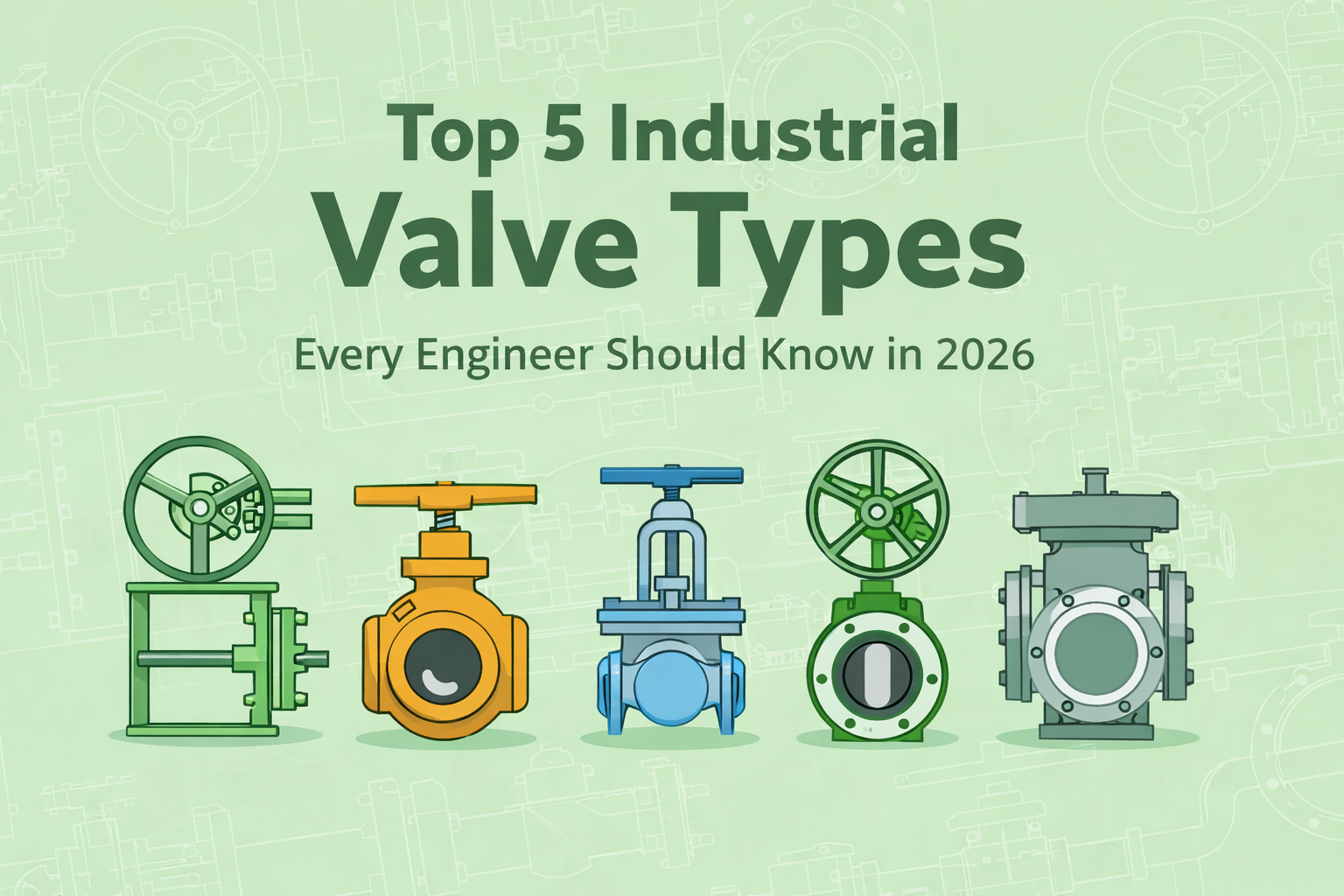
يُعد اختيار نوع الصمام الصناعي المناسب أحد أهم القرارات في تصميم النظام. فالاختيار غير المناسب، حتى مع استخدام صمامات عالية الجودة، قد يؤدي إلى التسرب، وفقدان الضغط، والاهتزاز، والحاجة إلى صيانة متكررة، وانخفاض كفاءة التشغيل على المدى الطويل. يغطي هذا الدليل أنواع الصمامات الصناعية الرئيسية ، وتطبيقاتها ومزاياها وقيودها، إلى جانب رؤى عملية لمساعدتك في اختيار الصمام المناسب لمشروعك في عام 2026. ما هي أنواع الصمامات الصناعية؟ تشير أنواع الصمامات الصناعية إلى تصاميم الصمامات المختلفة المستخدمة للتحكم في تدفق السوائل في أنظمة الأنابيب أو تنظيمه أو عزله. كل نوع مصمم لوظيفة محددة، مثل الإغلاق أو الخنق أو منع التدفق العكسي، ويُعد اختيار النوع الصحيح أمرًا بالغ الأهمية لسلامة النظام وكفاءته. خمسة أنواع رئيسية من الصمامات الصناعية وتطبيقاتها 1. صمام كروي الأفضل لـ: الإغلاق السريع وانخفاض الضغط تستخدم صمامات الكرة كرة دوارة ذات تجويف مستقيم. وعند فتحها بالكامل، فإنها توفر مقاومة ضئيلة، مما يجعلها واحدة من أكثر الخيارات كفاءة لنقل السوائل. التطبيقات الشائعة: ● خطوط أنابيب النفط والغاز ● أنظمة الضغط العالي ● عمليات تشغيل/إيقاف متكررة ملاحظات الاختيار: ● تصميمات الفتحة الكاملة تقلل من فقد الطاقة ● تتميز صمامات الكرة ذات المقعد المعدني بأداء أفضل في الظروف الكاشطة أو ذات دورات التشغيل العالية تجنبه في الحالات التالية: يلزم التحكم الدقيق في التدفق. قد يؤدي الخنق باستخدام صمام كروي إلى تلف أسطح منع التسرب بمرور الوقت. 2. صمام البوابة الأفضل لـ: خدمة العزل ذات مقاومة التدفق المنخفضة تعمل صمامات البوابة عن طريق رفع البوابة من مسار التدفق. وهي تُستخدم على نطاق واسع في خطوط الأنابيب ذات الأقطار الكبيرة حيث يكون التشغيل الكامل أو الإغلاق الكامل مطلوبًا. التطبيقات الشائعة: ● خطوط أنابيب نقل الطاقة لمسافات طويلة ● أنظمة معالجة المياه ● خطوط البخار ذات درجة الحرارة العالية ملاحظات الاختيار: ● انخفاض الضغط شبه معدوم عند الفتح الكامل ● توفر صمامات البوابة الإسفينية إحكامًا أفضل في ظروف درجات الحرارة العالية تجنبه في الحالات التالية: يتطلب الأمر تشغيلًا أو تحكمًا متكررًا. صمامات البوابة غير مصممة للتشغيل المتكرر. 3. صمام كروي الأفضل لـ: تنظيم التدفق بدقة تقوم صمامات الكرة الأرضية بدفع السائل عبر مسار تدفق متحكم فيه، مما يسمح بالتحكم الدقيق في التدفق وثباته. التطبيقات الشائعة: ● أنظمة البخار ● العمليات ذات درجات الحرارة العالية ● تطبيقات تنظيم التدفق ملاحظات الاختيار: ● أداء ممتاز في التحكم في السرعة ● تشغيل مستقر في ظل ظروف تدفق متقلبة تجنبه في الحالات التالية: يجب تقليل انخفاض الضغط إلى أدنى حد. صمامات الكرة الأرضية بطبيعتها تخلق مقاومة تدفق أعلى. 4. صمام عدم الرجوع الأفضل لـ: منع التدفق العكسي التلقائي تعمل صمامات الفحص تلقائيًا بناءً على اتجاه التدفق، مما يمنع التدفق العكسي الذي قد يتسبب في تلف المعدات. التطبيقات الشائعة: ● خطوط تصريف المضخة ● أنظمة الضواغط ● شبكات أنابيب العمليات ملاحظات الاختيار: ● تعمل صمامات الفحص المزدوجة والصامتة على تقليل ظاهرة الطرق المائي. ● يُعدّ اختيار المقاس المناسب والتركيب الصحيح أمراً بالغ الأهمية لتجنب اهتزاز القرص. تجنبه في الحالات التالية: يلزم إيقاف التشغيل أو العزل اليدوي. 5. صمام مغلق (صمام مغلق للخط) الأفضل لـ: العزل الإيجابي وأقصى درجات الأمان توفر الصمامات العمياء عزلاً مادياً عن طريق إدخال صفيحة صلبة في خط الأنابيب. وعلى عكس الص...
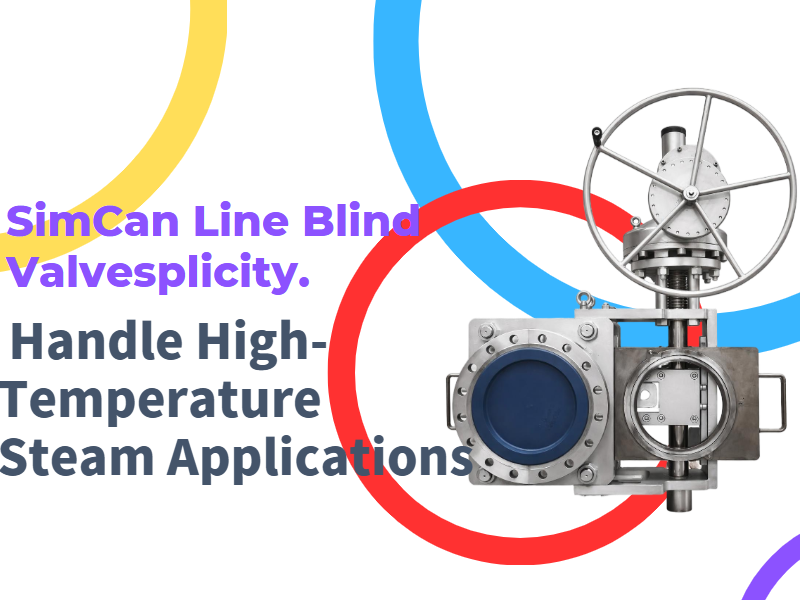
حديثاً، صمام ديرفوس ساعدت عميلاً في المجر على التغلب على تحدٍ شائع في أنظمة البخار الصناعية: كيفية عزل خطوط الأنابيب ذات درجات الحرارة العالية بأمان دون حدوث تسرب أو توقف. نظراً لتشغيل النظام ببخار مشبع عند درجة حرارة تقارب 250 درجة مئوية، وتعرضه لدرجات حرارة منخفضة تصل إلى -39 درجة مئوية، فقد تطلب نظام العميل حلاً متيناً وموثوقاً. غالباً ما تفشل الصمامات التقليدية في الحفاظ على إحكام الإغلاق في مثل هذه الظروف، كما تتطلب طرق العزل التقليدية تخفيض ضغط الخط، مما يزيد من وقت التوقف ومخاطر التشغيل. ولمعالجة هذه التحديات، قامت شركة ديرفوس بتوريد DN400 PN40 صمام خطي منزلق مغلق صُممت هذه الصمامات خصيصاً لتناسب الظروف القاسية للمشروع. وتتيح آلية الإغلاق المنزلقة للمشغلين التبديل بين وضعيتي التدفق والعزل دون الحاجة إلى تفريغ ضغط النظام، مما يعزز السلامة والكفاءة أثناء الصيانة. مصنوع من فولاذ 20GML المطروق وهيكل مانع للتسرب من الفولاذ المقاوم للصدأ المعدني، صمام يُقدّم أداءً موثوقًا به في كلٍّ من البخار ذي درجات الحرارة العالية والظروف المناخية الخارجية القاسية. يُقلّل تصميمه ذو الفتحة الكاملة من مقاومة التدفق، بينما يضمن المُشغّل اليدوي ذو التروس الدودية تشغيلًا سلسًا ومُتحكّمًا به حتى في الأحجام الكبيرة ومعدلات الضغط العالية. كما تُقلّل ميزات السلامة، مثل أجهزة منع التشغيل الخاطئ وهياكل الألواح الواقية، من مخاطر الأخطاء أثناء المناولة. منذ تركيبه، مكّن الصمام من التشغيل الخالي من التسريبات، وإجراءات الصيانة الأكثر أمانًا، والأداء المستقر في درجات الحرارة القصوى. صُمم الصمام ليدوم لأكثر من 30 عامًا، مما يوفر حلاً طويل الأمد قليل الصيانة، ويمنح العميل الثقة في موثوقية نظام البخار وسلامته. يسلط هذا المشروع الضوء على كيفية تمكن صمام الخط المنزلق المصمم بعناية من حل تحديات العزل الحرجة في تطبيقات البخار ذات درجات الحرارة العالية، حيث يج
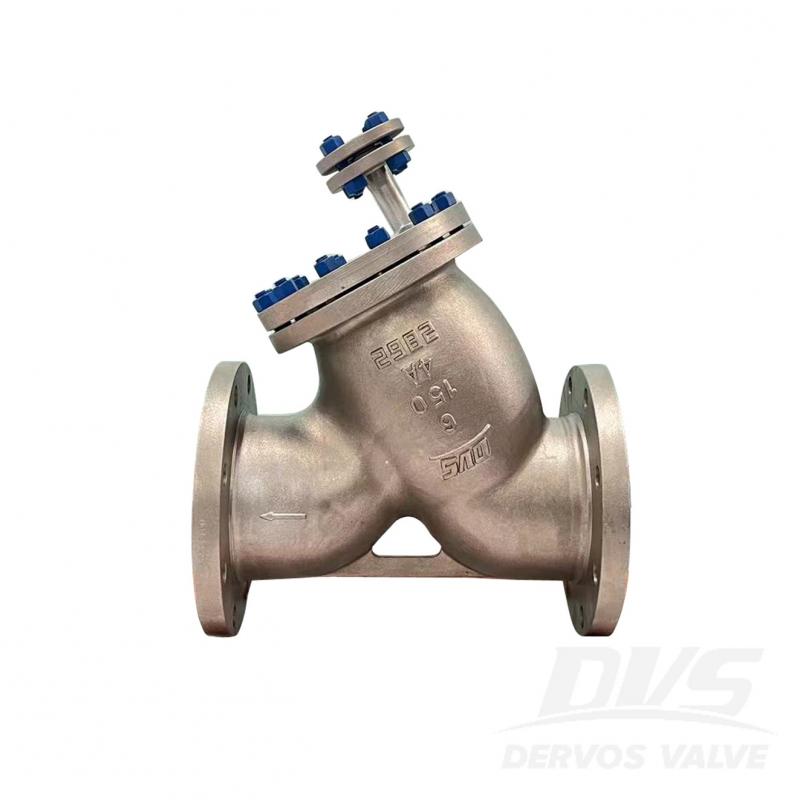
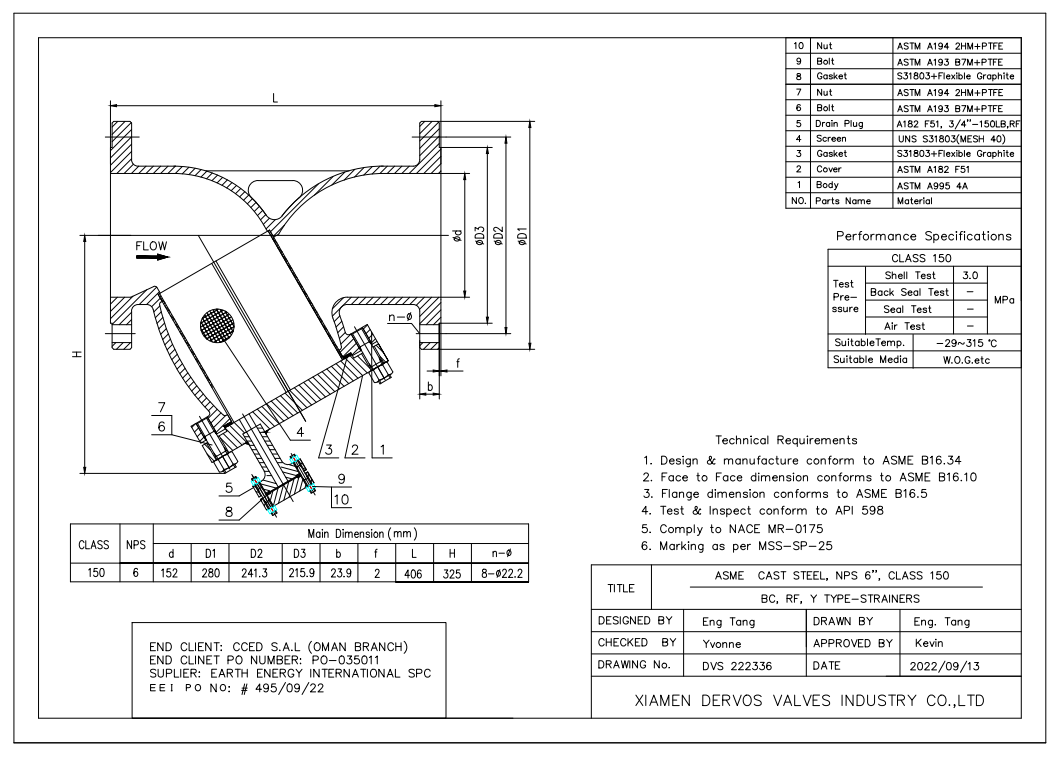
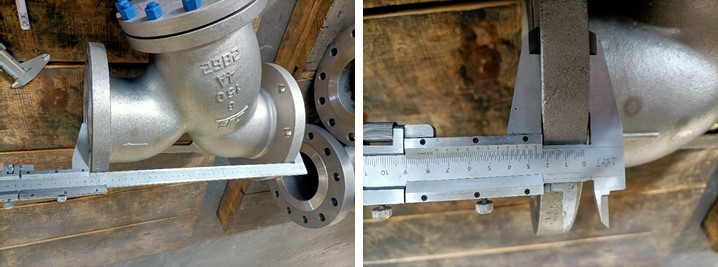
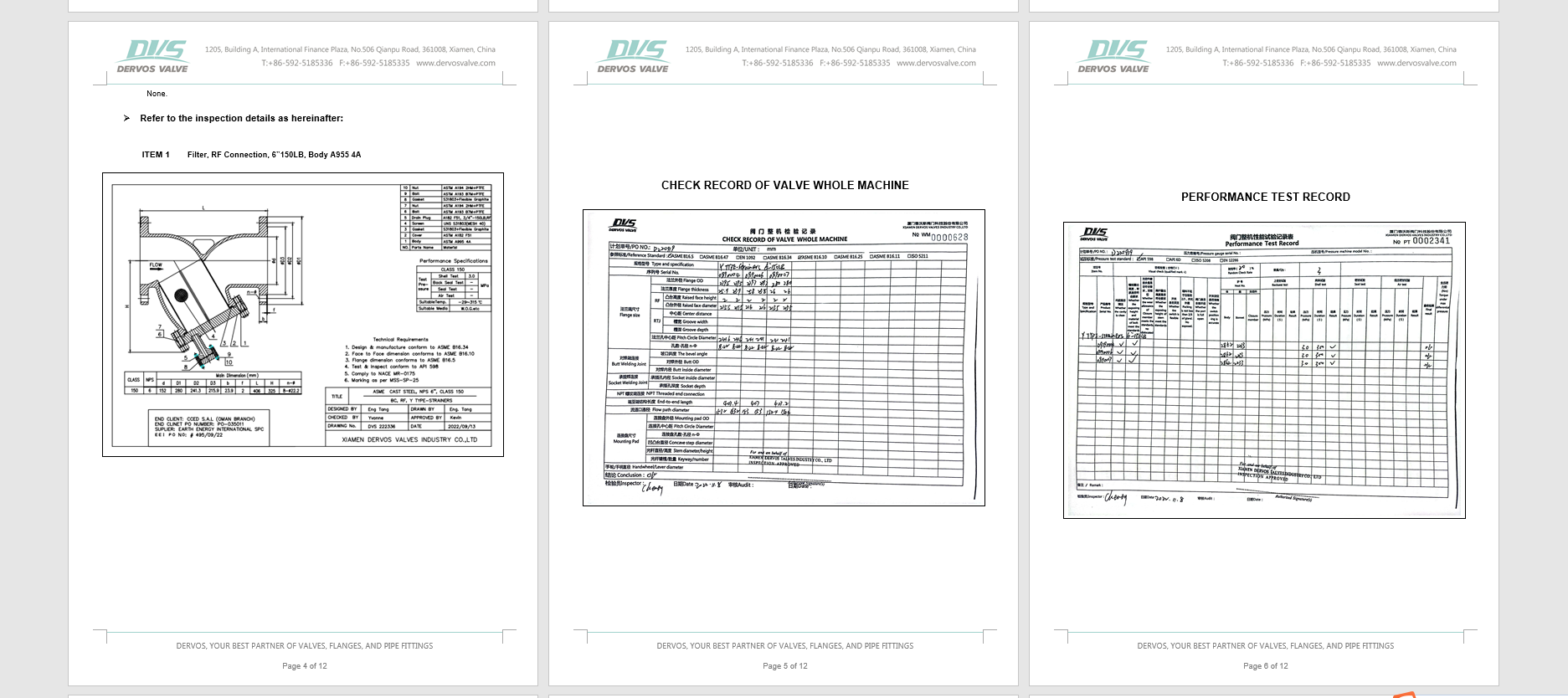
تم تصنيع المصفاة من النوع Y مقاس 6 بوصات سعة 150 رطلًا وفقًا لمعيار ASME B16.34. جسم الصمام مصنوع من ASTM A995 4A. ويتميز بالخصائص الهيكلية للغطاء المثبت بمسامير على شكل Y، MESH 40، مع قابس تصريف متكامل. وضع الاتصال الخاص به هو الترددات اللاسلكية.
دفع:
30% when order confirmed, 70% before shipmentأصل المنتج:
Chinaاللون:
Customizationميناء الشحن:
Shanghai, Chinaالمهلة:
30~60 days Ex Works after order confirmationMaterial:
ASTM A995 4Aوصف المنتج
يكتب |
مصفاة من النوع Y |
مقاس |
6" |
ضغط |
150 رطل |
اتصال |
الترددات اللاسلكية |
مادة الجسم |
أستم A995 4A |
معيار التصميم |
أسم B16.34 |
وجها لوجه البعد |
أسم B16.10 |
البعد شفة |
أسم B16.5 |
يمتثل |
نيس MR-0175 |
العلامات |
إم إس إس-SP-25 |
رمز الاختبار والفحص |
أبي 598 |
درجة حرارة |
-29 ~ 315 درجة مئوية |
متوسطة قابلة للتطبيق |
المياه والنفط والغاز |
سمات
1. تصميم بسيط، هيكل مدمج، حجم صغير، سهل التصنيع والصيانة؛
2. الفلتر سهل الفك والتنظيف، مع صيانة بسيطة، مما يقلل من عبء عمل الصيانة ووقت التوقف عن العمل.
رسم تقنى _ رسم عن طريق الكمبيوتر
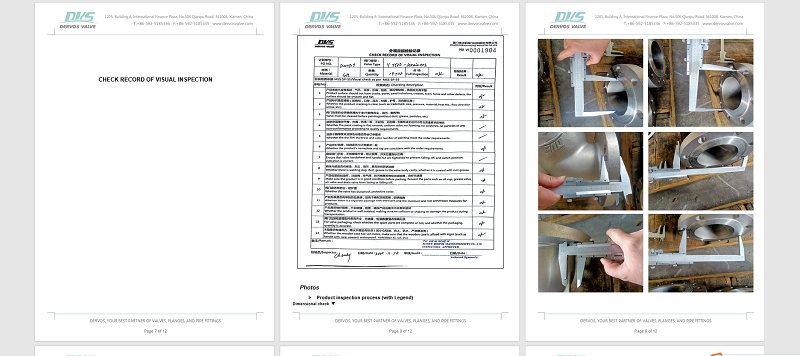
فحص الأبعاد
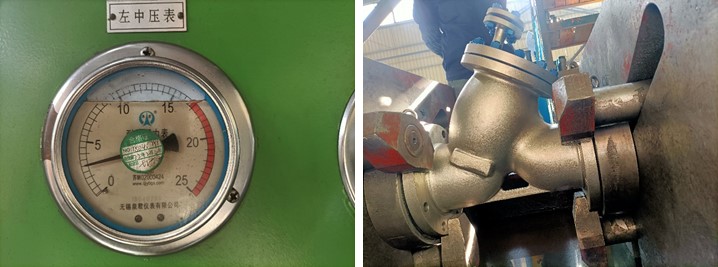
اختبار الضغط
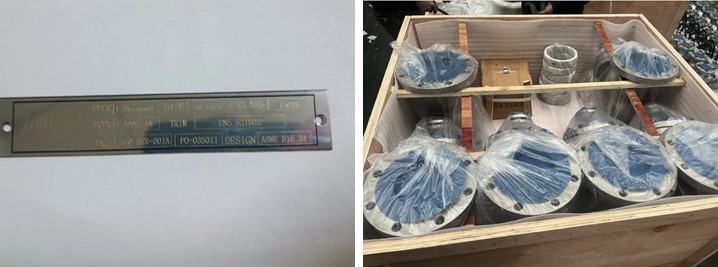
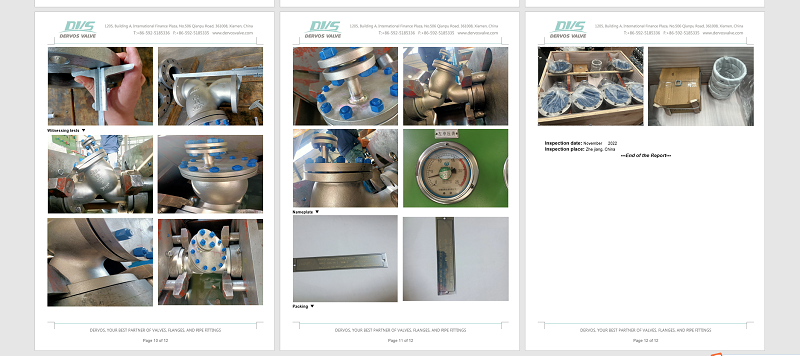
لوحة الاسم والتعبئة
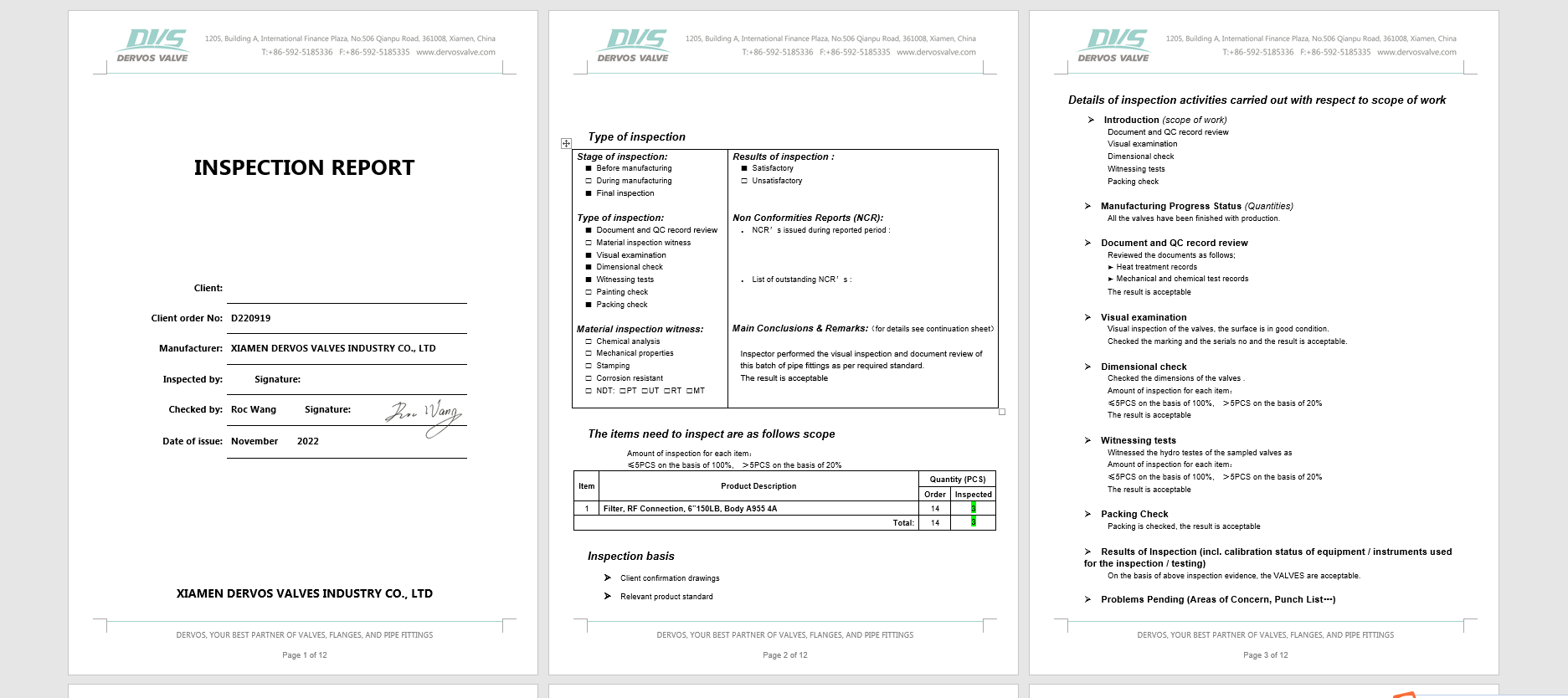
تقرير التفتيش
إذا كنت مهتما في منتجاتنا و تريد أن تعرف المزيد من التفاصيل,يرجى ترك رسالة هنا وسوف نقوم بالرد عليك بأسرع ما يمكن.
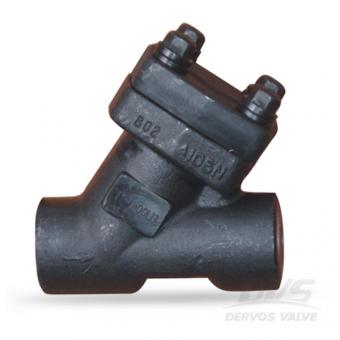
مصفاة 1 بوصة 1500 رطل y مصنوعة من هيكل فولاذي مزورة والفولاذ المقاوم للصدأ 304 كمادة الشاشة. تم تصميم مصفاة y ذات الضغط العالي مع نهاية sw حسب asme b16.34. ميزة التصميم 1. الجسم الصلب المطلي 2. شاشة الفولاذ المقاوم للصدأ 3. شبكة مخصصة للشاشة 4. مثبتة أفقياً أو رأسياً 5. القدرة على التعامل مع الضغط العالي تفاصيل سريعة نوع مصفاة بحجم 1 " ضغط التصميم 1500 رطل اعمال بناء ذ نوع مصفاة ، بونيه انسحب نوع الاتصال sw ( لحام مأخذ) كود التصميم اسمى ب 16.34 وجها لوجه اسمى ب 16.10 نهاية الاتصال اسمى ب 16.11 الضغط & أمبير ؛ مؤقت اسمى ب 16.34 اختبار & أمبير ؛ تفتيش واجهة برمجة تطبيقات 598 مواد الجسم اسمى أ 105 مادة الشاشة SS304 نطاق درجة حرارة -29 ℃ ~ + 425 ℃ تطبيق ماء، النفط والغاز المعرفة ذات الصلة ما الفرق بين مصفاة y ومصفاة سلة؟ يأخذ كل من مصفاة y ومصفاة السلة اسمهم من تكويناتها. هناك أربعة اختلافات بينهما. أولاً ، يمكن تثبيت المصفاة y أفقياً أو رأسياً. ولكن في معظم الحالات ، يمكن أن تكون مصفاة السلة في وضع أفقي فقط. -ثانيًا ، يمكن للمصفاة y التعامل مع تصنيف ضغط أعلى من نوع السلة. ثالثاً ، لقدرة مصافي السلة على القدرة على فحص الجسيمات أفضل من مصافي ص. - في الغالب ، من السهل تنظيف مصفاة السلة من مصفاة نوع y. في الخلاصة ، مصافي y قابلة للتطبيق لخطوط الأنابيب عالية الضغط مع تركيز منخفض من الجسيمات & أمبير ؛ المواد الصلبة واحتياجات التنظيف أقل. والعكس بالعكس لمصفاة نوع سلة.
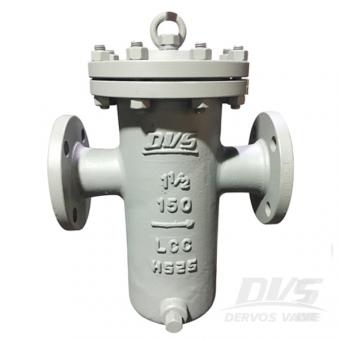
مصفاة نوع السلة لديها ضغط تصميم 150 رطل وحجم 1 1/2 بوصة. المصفاة ذات الحافة مصنوعة من جسم LCC وشاشة من الفولاذ المقاوم للصدأ. تفاصيل سريعة نوع مصفاة بحجم 1.5 " ضغط التصميم 150 رطل اعمال بناء انسحب غطاء محرك السيارة ، نوع السلة نوع الاتصال ذات حواف كود التصميم اسمى ب 16.34 وجها لوجه اسمى ب 16.10 نهاية الاتصال اسمى ب 16.5 الضغط & أمبير ؛ مؤقت اسمى ب 16.34 اختبار & أمبير ؛ تفتيش واجهة برمجة تطبيقات 598 مواد الجسم أستم a352 lcc مادة الشاشة SS304 نطاق درجة حرارة -46 ℃ ~ + 345 ℃ تطبيق ماء، النفط والغاز ملف الشركةتأسست في شيامن في عام 2008 ، شركة dervos valves industry. ltd لديها خبرة غنية في توريد وتصدير الصمامات الصناعية ، من الأنواع العامة لصمام البوابة ، صمام كروي ، صمام فحص ، صمام كروي ، صمام فراشة ، صمام سد ، مصفاة إلى صمامات خاصة مثل صمام الإبرة ، صمام التحكم ، صمام الإغاثة ، صمام الأمان ومصيدة البخار. يلتزم فريق Dervos بتزويد عملائنا بأفضل خدمة ممكنة ومنتجات صمامات بأسعار تنافسية. مع أكثر من 500 مورد للصمامات ، فإن الموارد الغنية التي نملكها تمكننا من العثور على المنتجات الأكثر ملاءمة في وقت قصير جدًا لعملائنا. نظام الشراءيلعب نظام Dervos للشراء دورًا مهمًا في متابعة الطلبات وإدارة الموردين. ماذا يفعل فريق الشراء لدينا؟-تأكيد خطة الإنتاج مع المصنع- متابعة الطلب حسب خطة الإنتاج عن كثب- اتخاذ كافة الإجراءات لبدء كافة الموارد ذات الصلة لحل أزمة التأخيرابحث عن موردين جدد وضعهم في مجموعة موردينا من خلال تقييمهم على الجودة والمعدات والشهادات ومستوى السعر والدعم الفني وما إلى ذلك-إجراء تقييم سنوي على الموردين الحاليين وإلغاء أولئك غير المؤهلين. ستضمن جميع هذه الإجراءات تسليم طلب العملاء في الوقت المحدد ويمكننا العثور على المنتجات الأكثر ملاءمة بين الموردين المؤهلين بطريقة فعالة.
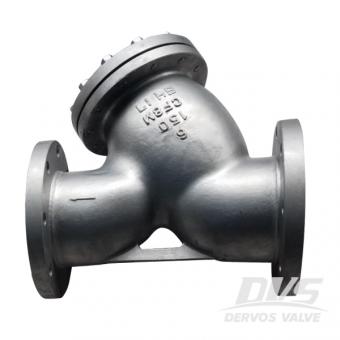
asme b16.34 y نوع مصفاة شقة شفة اتصال الترباس غطاء astm a182 f316 astm a351 cf8m طوقا ss316 + شاشات الجرافيت مرنة ss316 المكونات استنزاف 3/4 "npt الترباس بونيه b8m 8m 6 بوصة 150lb 8 inch 150lb تصميم وتصنيع asme b16.34 وجها ل أبعاد الوجه asme b16.10 شفة البعد asme.b16.5 اختبار وفحص api598 تفاصيل سريعة نوع نوع مصفاة بحجم 6 بوصة 8 بوصة الضغط cl150 اعمال بناء غطاء الترباس الإتصال وما يليها وضعية التشغيل / مواد الجسم CF 8M التغطية ص 316 تصميم & أمبير ؛ صناعة اسمي ب 16.34 من النهاية إلى النهاية Asme b16.10 نهاية الاتصال Asme b16.5 تفتيش api 6d ، api 598 نطاق درجة حرارة -29 ℃ ~ + 538 ℃ متوسط النفط والماء والغاز
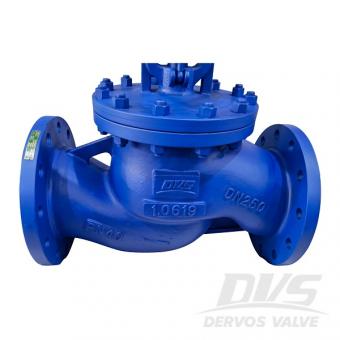
مصفاة من النوع Y DN250 PN40 مصنوعة وفقًا لمعيار EN13709. جسم الصمام مصنوع من EN 10213 1.0619. لها الخصائص الهيكلية من النوع Y. وضع الاتصال هو RF.
8 "مصفاة 150LB مصنوعة وفقًا لمعيار ASME B16.34 ، جسم الصمام مصنوع من CF3M ، وله خصائص هيكلية من النوع Y. وضع الاتصال هو RF.
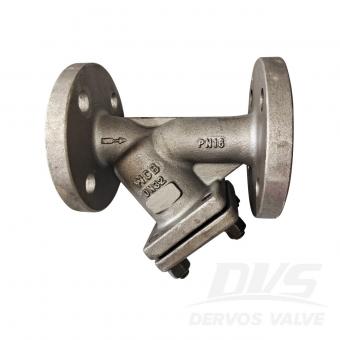
مصفاة نوع DN32 PN16 Y مصنوعة وفقًا لمعيار EN12516-1. جسم الصمام مصنوع من WCB. لها الخصائص الهيكلية لنوع الضغط Y. وضع الاتصال الخاص به هو RF.
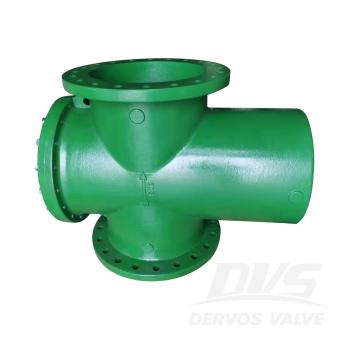
20 "125LB مصفاة طبقاً لمعيار الشركة المصنعة ، جسم الصمام مصنوع من GGG50 ، يتميز بالخصائص الهيكلية لنمط السلة وغطاء الهيكل ، ووضع التوصيل هو FF.
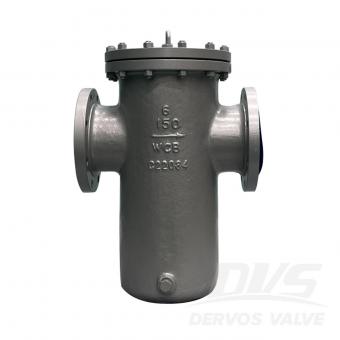
6 "مصفاة 150LB مصنوعة وفقًا لمعيار ASME B16.34. جسم الصمام مصنوع من ASTM A216 WCB. لها الخصائص الهيكلية لنوع السلة. وضع التوصيل هو RF.
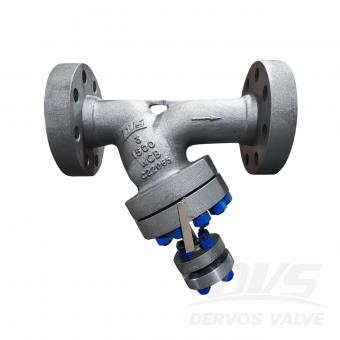
3 "مصفاة 1500LB مصنوعة وفقًا لمعيار ASME B16.34. جسم الصمام مصنوع من ASTM A216 WCB. لها الخصائص الهيكلية للسدادة ذات الحافة العمياء DN20. وضع التوصيل هو RTJ.
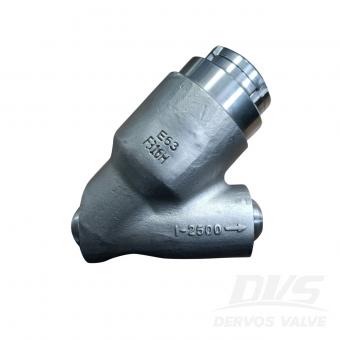
1 "مصفاة 2500LB مصنوعة وفقًا لمعيار ASME B16.34. جسم الصمام مصنوع من ASTM A182 F316H. لها الخصائص الهيكلية للقفل الذاتي للضغط ونوع Y. وضع التوصيل هو BW SCH160.
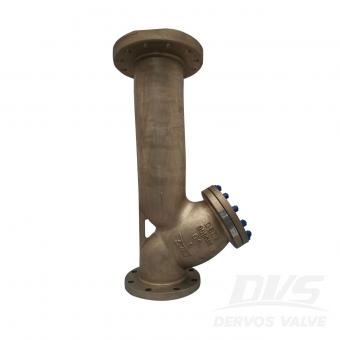
مصفاة من النوع Y مقاس 6 بوصات 150 رطل مصنوعة وفقًا لمعيار ASME B16.34. جسم الصمام مصنوع من ASTM B148 C95800. إنه يتميز بالخصائص الهيكلية لغطاء المحرك مع قابس FNPT مقاس 1/2 بوصة. وضع الاتصال الخاص به هو RF.
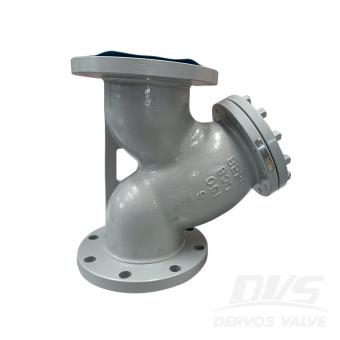
مصفاة 6 "150LB مصنوعة وفقًا لمعيار ASME B16.34. جسم الصمام مصنوع من ASTM A352 LCB. إنه يتميز بالخصائص الهيكلية على شكل Y وغطاء الترباس. وضع الاتصال الخاص به هو RF.


حقوق النشر © 2015-2026 DERVOS VALVE CO.,LTD.كل الحقوق محفوظة مدونة / خريطة الموقع / XML / سياسة الخصوصية