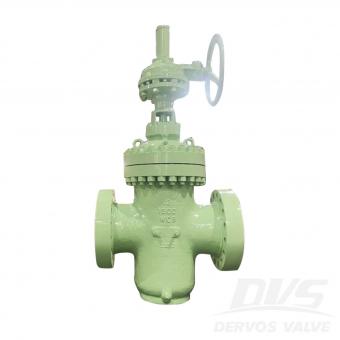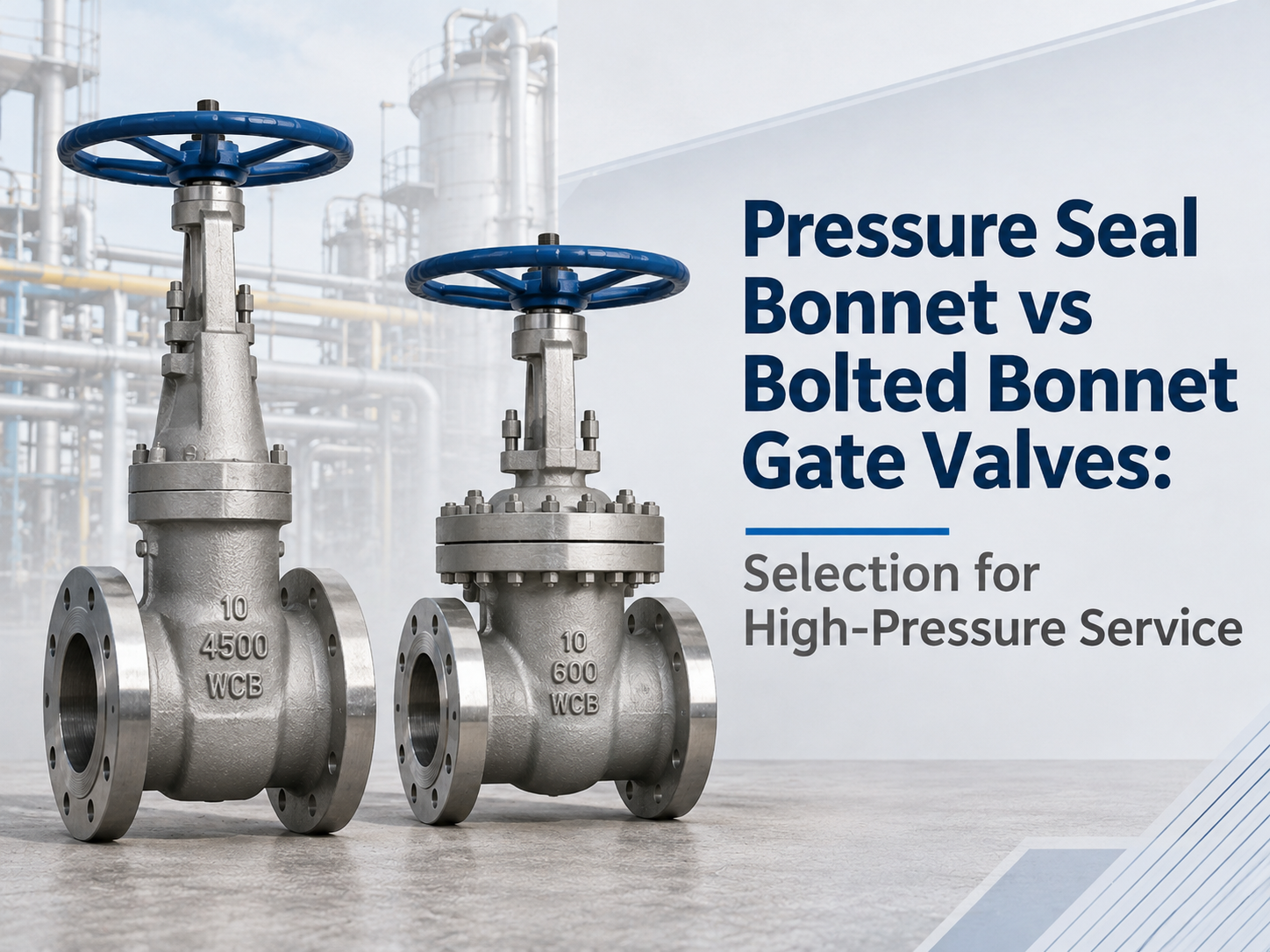
A pressure-seal bonnet is usually the stronger candidate for very high-pressure, high-temperature service because internal pressure increases the sealing load at the body-bonnet joint. A bolted bonnet relies primarily on bolt preload to compress its gasket and is often simpler to inspect and disassemble. That does not create a universal pressure-class cutoff. A Class 600 valve may use a pressure seal, while a bolted-bonnet design may be available at a higher class. The correct choice depends on the applicable pressure-temperature rating, valve size, material, thermal cycles, start-up conditions, maintenance plan, and the manufacturer’s qualified design. Quick Selection Answer Choose a pressure-seal bonnet when the service combines high pressure with high temperature, repeated thermal loading, or a critical external-leakage consequence, and the plant can support its more specialized maintenance procedure. Choose a bolted bonnet when the approved valve design satisfies the full pressure-temperature envelope and familiar disassembly, gasket replacement, and general maintenance access have greater value. Do not use the bonnet style to decide the valve function. Gate, globe, and check valves can all be made with pressure-seal constructions, but they perform different jobs in the system. How Does a Bolted Bonnet Work? In a bolted-bonnet valve, a flanged joint connects the bonnet to the body. Studs or bolts apply the initial clamping force, compressing a gasket between the mating faces. The bolting, flange geometry, gasket, surface finish, assembly method, and temperature all affect joint integrity. As internal pressure rises, pressure-generated forces tend to separate the body and bonnet. The joint must retain enough gasket compression after pressure, temperature change, bolt relaxation, and thermal expansion are considered. Correct tightening sequence and controlled preload therefore matter. The main practical advantage is familiarity. Maintenance teams can see and access the external bolting, and the disassembly sequence is generally straightforward. However, the joint may become large and heavily bolted as pressure, size, and design load increase. How Does a Pressure-Seal Bonnet Work? A pressure-seal bonnet uses an internal gasket and a retaining system rather than a conventional large external body-bonnet flange. Exact details vary, but common designs use a bonnet or cover, pressure-seal gasket, spacer or thrust ring, and segmented retaining ring inside the body neck. Process pressure acts on the bonnet assembly and forces the sealing elements against their contact surfaces. As pressure increases, the body-bonnet sealing load also increases. This is why the design is described as self-energizing or pressure assisted. Self-energizing does not mean self-assembling. At zero or low pressure, the process has not yet created its full sealing force. The initia...
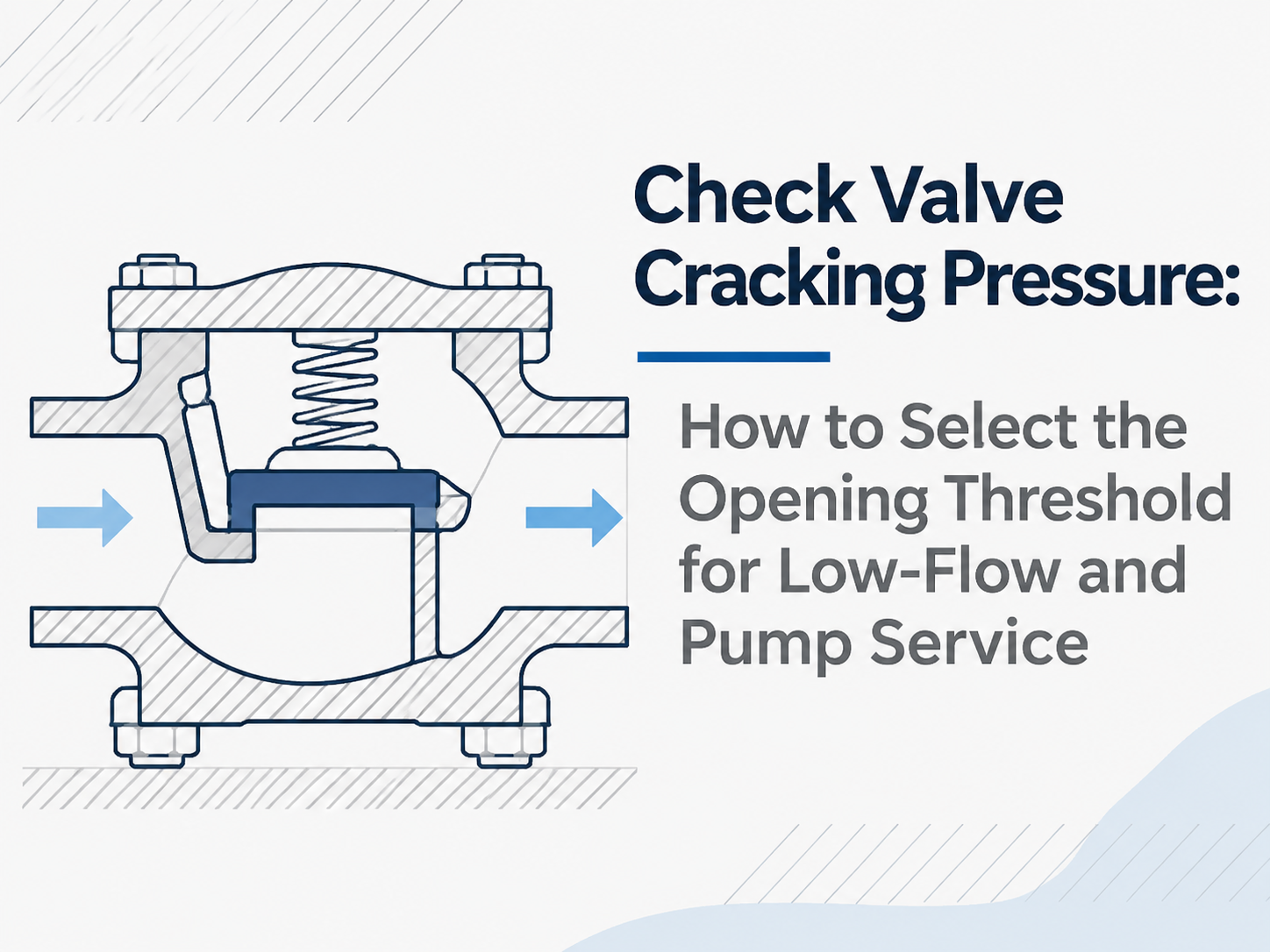
يمكن أن يبدأ صمام عدم الرجوع في تمرير السائل بينما يظل بعيداً جداً عن وضع الفتح المستقر.صمام عدم الرجوع، لذا فإن ضغط الفتح هو عتبة التدفق الأول القابل للرصد، وليس هبوط الضغط عند الفتح الكامل أو إثبات التشغيل بحد أدنى موثوق للتدفق. بالنسبة للخدمات ذات التدفق المنخفض وخدمات المضخات، تكون عتبة الفتح مقبولة فقط عندما يستطيع النظام تجاوزها في أسوأ حالات التدفق الأمامي. ويجب أن يجتاز الاختيار بعد ذلك ثلاثة فحوصات منفصلة: حركة الصمام المستقرة عند أدنى تدفق، وفقدان الضغط المقبول عند التدفق العادي والأقصى، والإغلاق في الوقت المناسب عند توقف المضخة. ابدأ بأسوأ فرق ضغط متاح تعرّف Parker ضغط الفتح بأنه الضغط في المنبع الذي يُقاس عنده التدفق القابل للرصد، بينما تشير Swagelok إلى أن التدفق الأول لا يعني أن الصمام مفتوح بالكامل. وقيمة النظام ذات الصلة ليست ضغط تفريغ المضخة وحدها، بل فرق الضغط عبر الصمام عندما يجب أن يفتح. للفحص الأولي: فرق الضغط المتاح للفتح ΔP = أدنى ضغط في المنبع عند الصمام − أقصى ضغط في المصب عند الصمام إذا كانت الضغوط تأتي من نقاط بعيدة، فقم بتصحيحها بناءً على الارتفاع وفقدان الخطوط. قم بتقييم الحالة الأقل ملاءمة الموثوقة، مثل مضخة متغيرة السرعة تبدأ بسرعة منخفضة أو مضخة احتياطية تفتح مقابل خط تجميع مشترك حيوي. يجب أن يكون أقصى ضغط فتح مضمون للصمام المعروض أقل من فرق الضغط ΔP المتاح، مع مراعاة سماحية هندسية للتصنيع، ودرجة الحرارة، والاتجاه، والرواسب، وعدم اليقين في القياس. لا توجد سماحية عالمية يمكن الدفاع عنها. القيمة الاسمية وحدها غير كافية لأن ضغط الفتح في الكتالوج قد يُحدد كمدى، والصمام الذي يُترك خاملًا قد يتطلب في البداية فرق ضغط أعلى مما يحتاجه بعد دورات التشغيل. ضغط الفتح المنخفض لا يحل عدم استقرار التدفق المنخفض بعد رفع عنصر الإغلاق، يلزم وجود فرق ضغط وقوة تدفق أكبر لحركة مستقرة. قد ينفتح الصمام بحجم كبير ولكنه يحوم بالقرب من المقعد لأن السرعة منخفضة للغاية، مما يتسبب في إحداث طقطقة، واهتزاز، وصدمة، وتآكل متسارع. تحدد إرشادات الخدمة من Swagelok الضغط المفرط للـ نابض والضغط المفرط للـ حجم الصمام المفرط كأسباب محتملة للثرثرة بالقرب من العتبة. حدد الحجم بناءً على نطاق التشغيل بدلاً من مطابقة قطر الأنبوب تلقائيًا. اطلب من المورد تقييم ثلاث نقاط للحجم الدقيق والنابض والتشذيب: نقطة التشغيل الأدلة المطلوبة الحد الأدنى للتدفق المستمر وضع الفتح المستقر، والحد الأدنى للتدفق المستقر أو السرعة، وفرق الضغط المقابل ΔP التدفق العادي منحنى هبوط الضغط الخاص بالنموذج أو معامل التدفق المُتحقق منه التدفق الأقصى فرق الضغط الأقصى ΔP، حدود السرعة، خطر التآكل والحركة المقبولة يجيب ضغط الفتح عن سؤال “متى تبدأ الحركة؟” بينما يجيب منحنى التدفق وحد التدفق المستقر عن سؤال “هل سيبقى الصمام مفتوحًا دون إتلاف نفسه؟” فتح المضخة وإيقاف المضخة حالتا تصميم مختلفتان عند بدء التشغيل، قد يؤدي النابض القوي للغاية إلى تأخير الفتح، أو تقليل التدفق، أو جعل عنصر الإغلاق غير مستقر. يؤدي النابض الأخف إلى خفض العتبة ولكنه لا يضمن إعادة الإغلاق المحكم ضد تسرب الفقاعات أو استجابة مرضية للتدفق العكسي. تنشر Parker ضغط الفتح وإعادة الإغلاق كخصائص منفصلة، وتتطلب بعض التكوينات ذات ضغط الفتح المنخفض ضغطًا خلفيًا في المصب لإعادة الإغلاق بإحكام. تعالج إرشادات تفريغ المضخة من DFT أيضًا التدفق العكسي والمطرقة المائية عند الإيقاف باعتبارها مشاكل ديناميكية، وليس فقط...
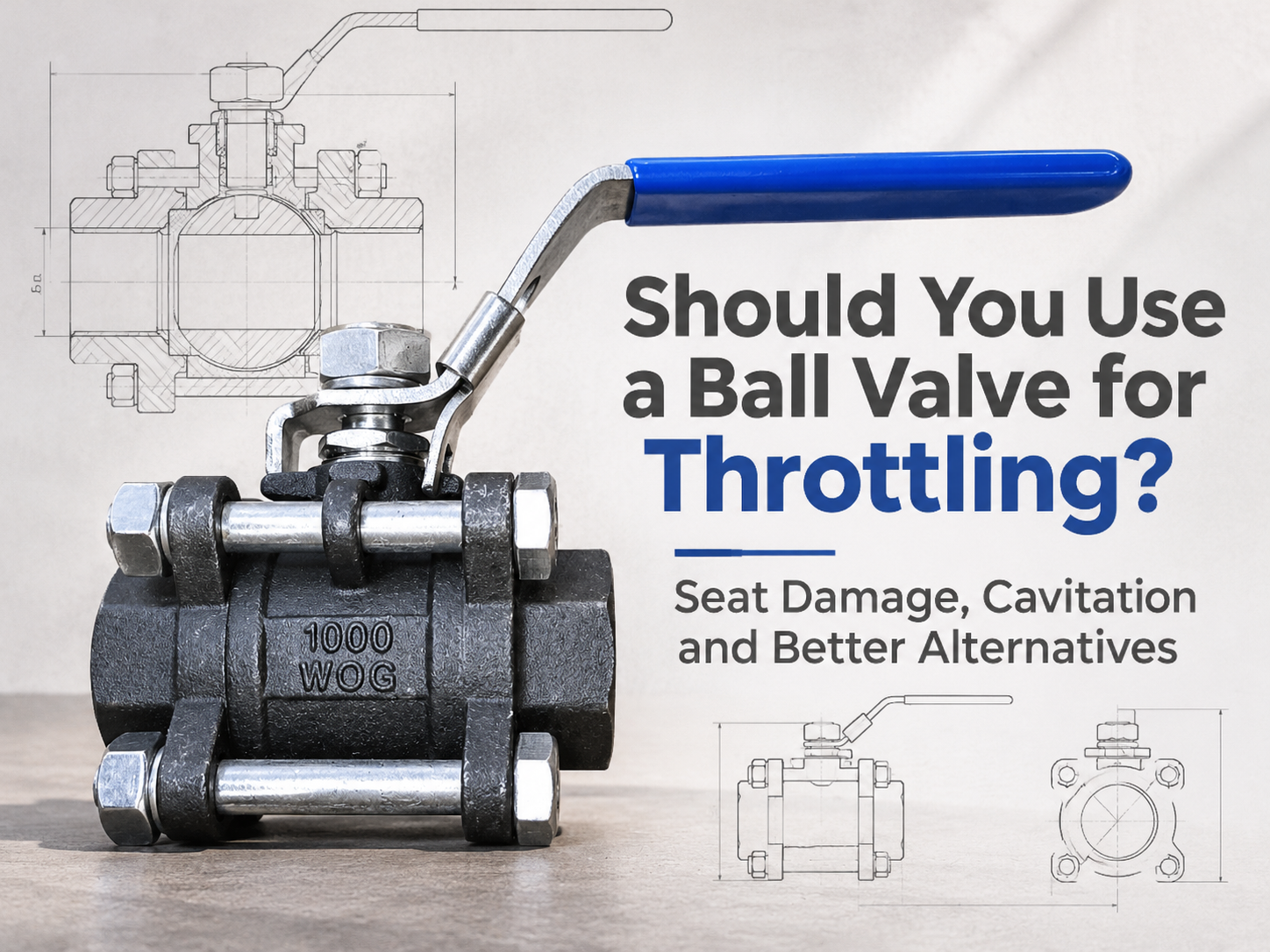
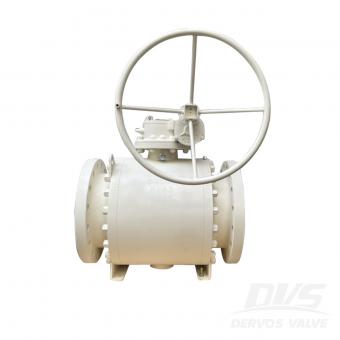
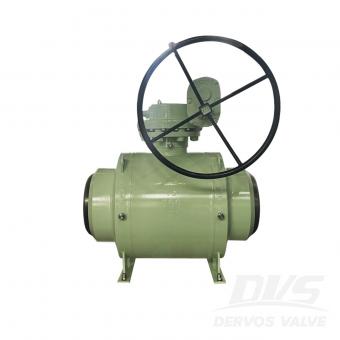
لا ينبغي أن يكون صمام الكرة القياسي للفتح والإغلاق الخيار الافتراضي للتقنين المستمر. يمكنه تقييد التدفق، ولكن هذا لا يجعله صمام تحكم. إن إبقاؤه مفتوحاً جزئياً يمكن أن يعرض المقعد لتيار مركز وعالي السرعة، وينتج تحكماً غير مستقر، وفي التطبيقات السائلة، يخلق التجويف. قد يكون التقنين البسيط أثناء بدء التشغيل أو الإيقاف مقبولاً إذا سمحت الشركة المصنعة بذلك. يتطلب التعديل المنتظم صماً مصمماً ومقاساً خصيصاً لتلك المهمة. الكرة المفتوحة جزئياً تضع المقعد في مسار التدفق عندما يكون صمام الكرة القياسي مفتوحاً بالكامل، توفر الفجوة مسار تدفق مستقيماً نسبياً. ومع دوران الكرة نحو الإغلاق، تصبح الفتحة ذات شكل ضيق ومتغير. ترتفع السرعة عبر هذا التقنين، ويمكن للتيار الناتج أن يمر بالقرب من حافة المقعد في اتجاه التيار المباشر وتجويف الجسم. هذا مهم لأن المقعد يؤدي وظيفة الإغلاق. قد يتشوه المقعد الناعم أو يُقطع أو يتآكل تحت تأثير السرعة العالية والحرارة والجسيمات العالقة. قد يتحمل المقعد المعدني ظروفاً أقسى، لكن الصلابة وحدها لا توفر خصائص تحكم مناسبة أو تمنع التآكل المحلي. غالباً ما يظهر الضرر لاحقاً على شكل زيادة في تسرب الإغلاق، حتى لو كان الصمام لا يزال يتحرك بشكل طبيعي. جودة التحكم هي قيد آخر. قد يمرر صمام الكرة التقليدي كامل الفتح زيادة كبيرة في التدفق عبر تغيير طفيف في الحركة بمجرد أن يبدأ في الانفتاح. لذلك يمكن للمشغل أن يتذبذب حول زاوية ضيقة بدلاً من التموضع بسلاسة عبر نطاق مفيد. لا يمكن للمحدد تصحيح خصائص صمام غير مناسبة. التجويف يعتمد على الضغط المحلي وليس فقط على ضغط الخط يكون التجويف ممكناً عندما يتسارع السائل عبر التقنين وينخفض ضغطه المحلي دون ضغط بخار السائل. عندئذ تتكون فقاعات بخار. وإذا تعافى الضغط فوق ضغط البخار في اتجاه التيار، تنهار الفقاعات وتطلق طاقة مدمرة بالقرب من الصمام أو الأنبوب السفلي. صمامات الكرة بشكل عام هي صمامات ذات استعادة عالية: حيث يتم استعادة الكثير من الضغط المفقود عند أضيق مساحة تدفق في اتجاه التيار. وهذا يعني أن الحد الأدنى للضغط الداخلي يمكن أن يكون أقل بكثير من ضغط المخرج المقاس. وبالتالي، قد يخفي انخفاض الضغط بين المدخل والمخرج الذي يبدو معتدلاً انخفاضاً أكثر حدة في الضغط داخل الصمام. الضوضاء التي تشبه الحصى، والاهتزاز، والتقرن الخشن هي علامات تحذيرية، ولكن الصوت وحده ليس طريقة تصميم. يتطلب التقييم الحد الأدنى والعادي والأقصى للتدفق؛ والضغط العلوي والسفلي في كل حالة؛ ودرجة حرارة السائل و压力 بخاره؛ والكثافة؛ ومحتوى المواد الصلبة؛ وحجم الصمام؛ وبيانات استعادة الضغط والتحجيم الخاصة بالشركة المصنعة. إذا ظل الضغط السفلي أقل من ضغط البخار، تكون الحالة ومضية وليست تجويفاً وتتطلب تقييماً مختلفاً للضرر. صمام الكرة يمكنه التقنين عندما يكون صمام تحكم إن فتحة V أو الكرة المقسمة تقدم فتحة ذات شكل تعطي علاقة أكثر قابلية للتنبؤ بين الحركة والتدفق. يمكن للإصدارات المختارة بشكل صحيح أن توفر سعة عالية، وقدرة تشغيلية مفيدة، وأداءً جيداً مع الوسائط الليفية أو اللزجة أو التي تحتوي على جزيئات. تستخدم بعض صمامات التحكم الكروية ذات الفتحة الكاملة المصممة هندسياً مخففات أو حشوات خاصة لإدارة انخفاض الضغط والضوضاء والاهتزاز. ملصق المنتج ليس كافياً. لا يزال الصمام بحاجة إلى تحجيم صمام التحكم، ومقعد وحشوة مناسبين، ومشغل ومحدد بدقة كافية، ومراجعة للتجويف أو الضوضاء عبر نطاق التشغيل الكامل. إن تحديد صمام كرة قياسي بمقعد معدني لا يحوله...


حقوق النشر © 2015-2026 DERVOS VALVE CO.,LTD.كل الحقوق محفوظة مدونة / خريطة الموقع / XML / سياسة الخصوصية