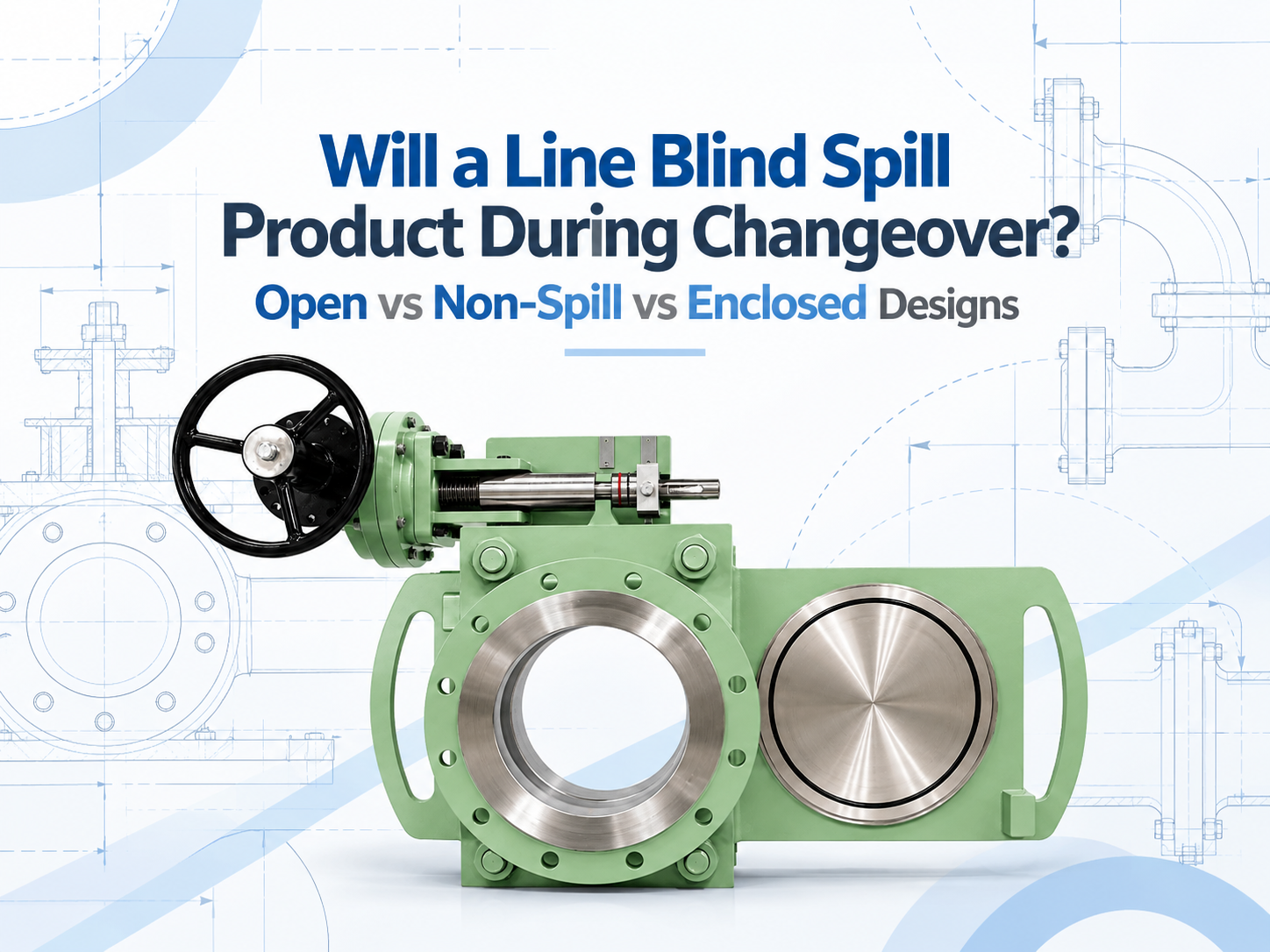
Yes, an open-body line blind can release residual product when it changes between the open and blind positions. A non-spill design does not make that residue disappear; it catches the liquid in a partial enclosure and directs it to a drain. An enclosed design can provide better control of liquid and vapour, but only when its housing, drain, vent and purge connections are engineered for the service. None of these labels should be read as permission to move the blind under live line pressure. Why Product Can Escape During Changeover When a line blind is fully clamped, its seals contain the process and the solid plate provides positive isolation in the blind position. Changeover is different. The sealing faces must separate before the spectacle or sliding plate can move. During that interval, the body cavity and plate path may be open to the surrounding area. The line should already be isolated, depressurised and drained, but “drained” rarely means perfectly dry. Liquid can remain as a film on the plate, collect in the lower body, or sit in a poorly drained pipe pocket. Gas service may leave flammable, toxic or odorous vapour. The amount released therefore depends as much on piping layout and the shutdown procedure as on the line blind itself. The Three Designs Manage Residue Differently Open-body design Residual liquid can drip from the exposed plate path into a temporary tray or the work area, while vapour disperses locally. This arrangement can suit water, steam condensate or other manageable media where easy access and visual inspection matter. It presents the highest potential for floor contamination and operator exposure. Non-spill design A bottom-and-side cover catches drips and sends them to a drain or recovery container; the top may remain open. This design is commonly considered for fuel terminals, marine service and liquid duties where ground or deck contamination must be controlled. It reduces dripping but may not contain vapour, and a blocked drain defeats its purpose. Enclosed design A housing surrounds more or all of the plate travel and may connect to a closed drain, purge, vent, flare or vapour-recovery system. It is better suited to toxic, flammable, odorous or environmentally sensitive service requiring controlled containment. The tradeoff is greater complexity in purging, inspection and maintenance, together with the need to manage trapped pressure deliberately. These names are not perfectly standardised across manufacturers. One supplier's “non-spill” model may be open at the top, while another product described as enclosed may use a more complete casing. The RFQ should show the enclosure arrangement and identify every opening rather than relying on the product name. Non-Spill Does Not Automatically Mean Zero Release For a liquid with low volatility, catching the remaining drops and routing them into a closed contai...
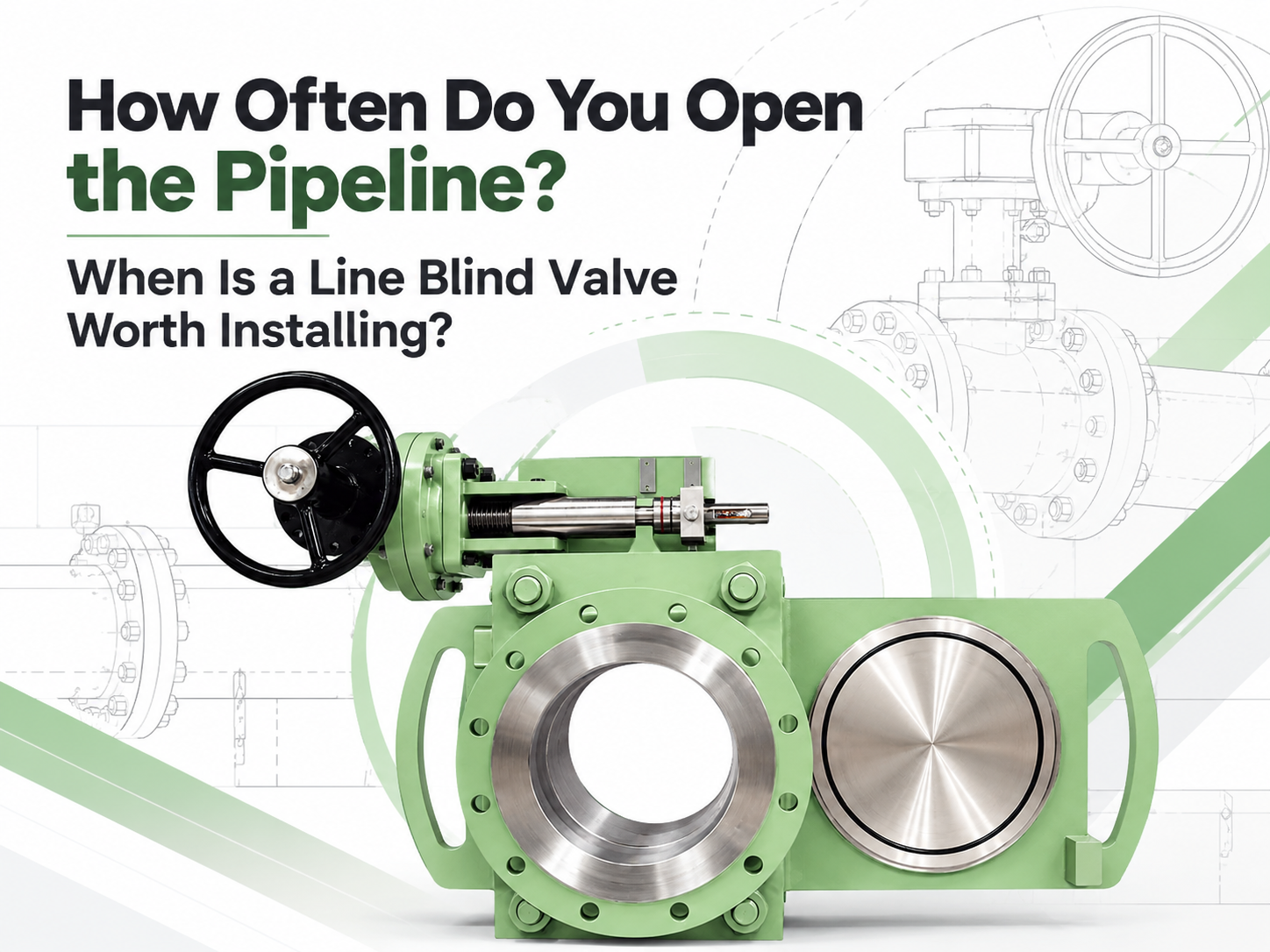
تستحق صمامات عزل الخطي التقييم عندما يتم عزل خط الأنابيب عدة مرات في السنة، أو عندما يتسبب تغيير تقليدي واحد في ساعات من الإغلاق، أو أعمال الرفع، أو التعرض الكبير للمتبقيات الخطرة. لا يوجد عدد دورات عام يضمن استرداد الاستثمار. قد يبرر خط حيوي كبير يتم تشغيله مرتين في السنة الاستثمار، بينما قد لا يبرره خط صغير يسهل الوصول إليه ويتم تشغيله شهريًا. يجب أن يعتمد القرار على تكلفة ومخاطر كل حدث عزل كامل، وليس على التكرار بمفرده. لا توجد قاعدة قياسية تنص على "عمليتين في السنة" يستخدم بعض الموردين تغييرًا أو تغييرين سنويين كحد أدنى للفحص الأول. يمكن أن يبدأ ذلك نقاشًا، ولكنه ليس قاعدة هندسية. للفيزياء والتكرار عواقب مختلفة تمامًا على خط خدمات DN50 وخط غاز معالجة رئيسي DN600. للمراجعة الأولية، تُعد النطاقات التالية مفيدة ولكنها ليست إلزامية: تكرار العزل التفسير الأولي مرة واحدة لكل إغلاق رئيسي أو أقل غالباً ما يكون قرص العزل القابل للإزالة أو قرص العزل المزدوج أكثر اقتصاداً. من مرة إلى ثلاث مرات في السنة قَارن العمالة، والرفع، ومدة التوقف، ومخاطر الوسط بعناية. ربع سنوي إلى شهري إن صمام عزل الخط سريع العمل هو عادة مرشح قوي. أسبوعياً أو أكثر من ذلك يستحق العزل المصمم لغرض معين أو المتبوع بالآلية مراجعة تفصيلية؛ وتأكد أيضاً من أن صمام عزل الخط مناسب لخدمة الدورة المطلوبة. يمكن لتكرار التشغيل المنخفض أن يدعم التركيب عندما يتطلب كل حدث سِقالات، أو رافعة، أو عدة فنيي أنابيب، أو انقطاعاً طويلاً في الإنتاج. وعلى العكس من ذلك، فإن التشغيل المتكرر لا يبرر استخدام صمام عزل الخط إذا كانت العملية لا تستطيع استيعاب ضغطه، أو حرارته، أو مواده، أو احتياجات صيانتها. احسب التغيير الكامل إن عملية العزل التقليدية أكبر بكثير من مجرد تحريك لوحة. فبعد تأمين الخط، يقوم العمال بفك المسامير، وتوسيع وصلة الشفة، والتعامل مع اللوحة العمياء أو الفاصلة، واستعادة الحشوات، وإعادة المحاذاة، وربط الوصلة، وإكمال فحوصات التسرب. وتتطلب الأحجام الكبيرة معدات رفع ووصول إضافية. يحافظ الصمام العمياء السريع للخط على اللوحة النظارية أو الانزلاقية مدعومة داخل التجميع المثبت. عادة ما تشير أدبيات الشركة المصنعة إلى إمكانية التغيير بواسطة شخص واحد في غضون دقائق بدلاً من ساعات العمل المطلوبة للأعمال التقليدية للشفات. تعتبر هذه الأرقام مفيدة للتقييم الأولي، ولكن يجب أن يستخدم حساب المشروع إجراءات المصنع الخاصة وأوقات التوقف المسجلة. استخدم مقارنة بسيطة: التكلفة المتجنبة السنوية = العمليات في السنة × التكلفة المتجنبة لكل عملية قد تتضمن التكلفة المتجنبة ساعات عمل فني الأنابيب، وأعمال الرفع، والسقالات، والحشوات والمسامير، واختبار التسرب، وقيمة الإنتاج للوقت الموفر. احرص على فصل الفئات لتجنب ازدواجية الحساب. قارن التوفير السنوي مع سعر التركيب الإضافي لصمام عزل الخط وتكلفة صيانته. قد تكون المخاطر أهم من فترة الاسترداد البسيطة إن فصل الشفات المتكرر يخلق فرصاً للتعرض للمداس المتبقي، وتلف أسطح الشفات، وسوء المحاذاة، والتحميل غير المتسق للمسامير. وتزداد المخاوف مع الوسائط السامة أو القابلة للاشتعال أو الساخنة أو التي يسهل تفريغها. إن تقليل التعامل مع اللوحة والرؤية الواضحة للوضع قد يبرران استخدام صمام عزل الخط حتى بدون فترة استرداد مالي قصيرة. لا يلغي هذا الحاجة إلى عزل العمليات. عادة ما يتم تشغيل صمامات عزل الخط السريعة فقط بعد إيقاف تشغيل الخط، وخفض ضغطه، وتأمينه. ولا ينبغي أبداً تفسير ...
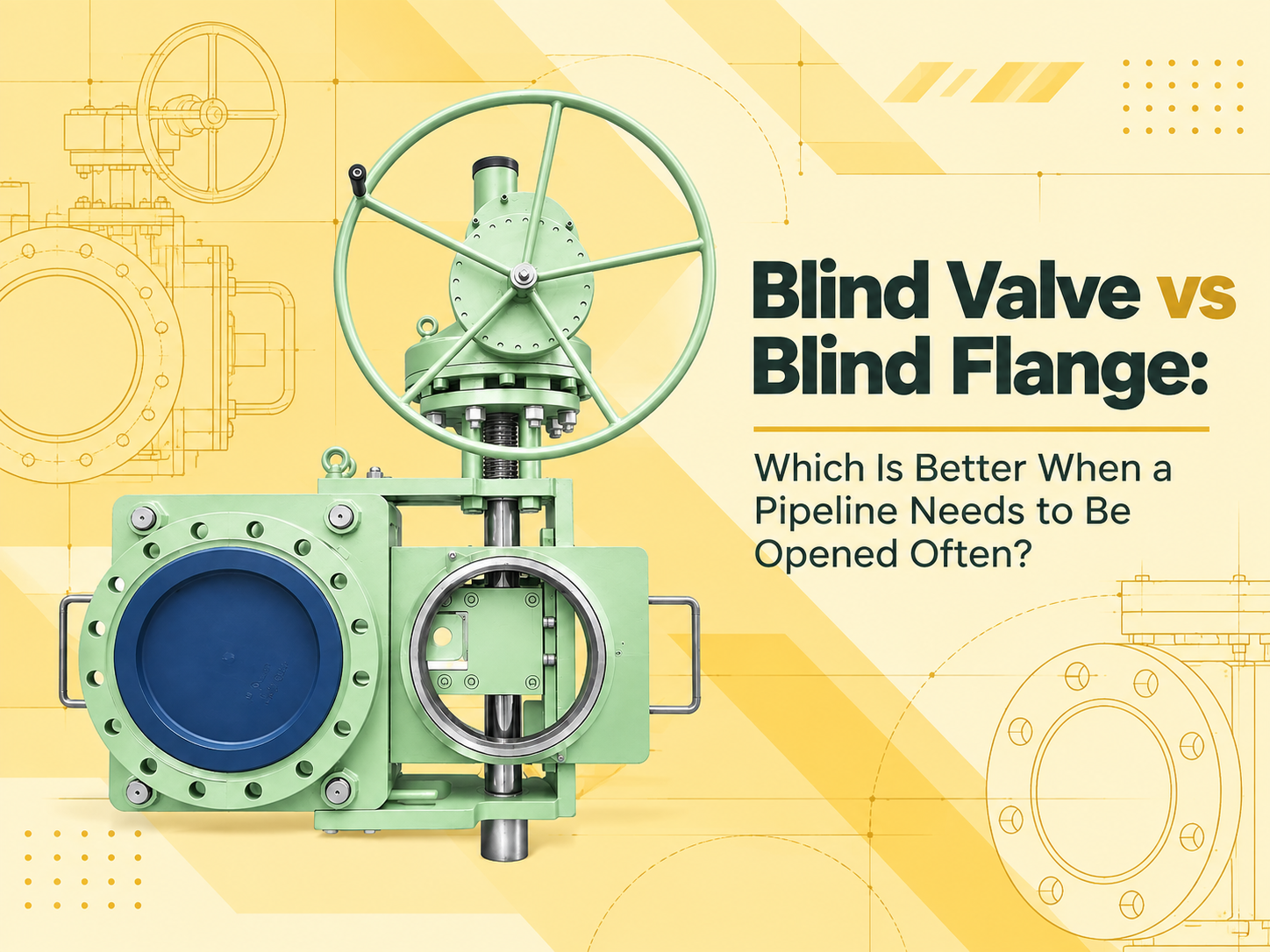
عندما يجب فتح خط الأنابيب وعزله بشكل إيجابي ومتكرر، فإن صمام العزل الأعمى (line blind valve) عادة ما يكون الخيار الأفضل. فهو يبقي آلية العزل مثبتة بشكل دائم ويسمح للمشغلين بالتبديل بين وضعي الفتح والإغلاق دون الحاجة إلى إزالة غطاء طرفي مثبت بمسامير بشكل متكرر. تكلّف الشفة العمياء (blind flange) أقل وتحتوي على أجزاء متحركة أقل، لكنها أكثر ملاءمة لإغلاق طرف أنبوب سيظل مغلقاً لفترات طويلة. تفترض هذه الإجابة أن "الشفة العمياء" تعني شفة صلبة مثبتة بمسامير في نهاية أنبوب أو فوهة. أما العازل النظاري (spectacle blind) أو العازل القابل للإزالة (spade) المثبت بين شفتين فهو جهاز مختلف، على الرغم من أنه ينشئ حاجز عزل معدني صلب مماثل. التغيير المتكرر للفتح يغير حساب التكلفة سعر الشراء يرجح كفة الشفة العمياء. فبناؤها بسيط، وتقتصر الصيانة إلى حد كبير على فحص وجه الشفة، والحشية، والمسامير، والصواميل. إذا كان الإغلاق لن يتم التعامل معه إلا أثناء فترات التوقف العرضية، فمن الصعب التغلب على هذه البساطة. أما الفتح المتكرر فيغير الصورة. تتطلب إزالة الشفة العمياء إيقاف تشغيل الخط، وتفريغ الضغط، وتصريفه أو تطهيره، والتحقق من سلامته. يجب بعد ذلك فك المسامير، ودعم الشفة، وفصل أسطح الإغلاق. قد تتطلب الشفاه الأكبر حجماً معدات رفع. تتطلب إعادة التجميع حشية جديدة، وربطاً محكماً للمسامير، واختباراً للتسرب. لا تعتبر أي من هذه الخطوات غير عادية، لكن تكرارها يحول مكوناً منخفض التكلفة إلى طريقة تشغيل كثيفة العمالة. يتطلب صمام العزل الأعمى أيضاً عزل الخط وتفريغ الضغط منه قبل تغيير وضعه ما لم ينص تصميمه المعتمد وإجراءات تشغيله على خلاف ذلك صراحةً. وتكمن ميزته في المناولة الميكانيكية: حيث يظل اللوح أو الفاصل أو العنصر المنزلق محتجزاً داخل جسم الصمام، وتقوم الآلية بفصل أسطح الإغلاق وتحريكها وإعادة تثبيتها. قد تناسب التروس اليدوية قوى التشغيل المعتدلة؛ بينما قد يكون التشغيل الكهربائي أو الهوائي أو الهيدروليكي مبرراً للأحجام الكبيرة أو التشغيل عن بُعد. صمام العزل الأعمى يقلل من المناولة ولكنه يضيف معدات للصيانة بالنسبة للتبديل المتكرر، يمكن لصمام العزل الأعمى تقصير المهمة وتقليل المناولة المتكررة للألواح والمسامير والحشيات الثقيلة. عادة ما يكون وضع الفتح أو الإغلاق مرئياً من اللوح الخارجي أو مؤشر الوضع، مما يساعد في التحقق الميداني. كما أنه يتجنب إجبار الأنابيب المتصلة على التباعد بشكل متكرر لإدخال أو إزالة العازل. تأتي هذه المزايا مع صيانة إضافية. يجب أن تظل الموجهات، والبراغي، وعلب التروس، والمكونات الهيدروليكية، والأختام، وأقفال التعشيق (interlocks) تعمل بكفاءة. يمكن أن تعيق رواسب المنتج أو التآكل حركة اللوح، بينما يمكن أن تمنع أسطح الإغلاق التالفة إعادة التثبيت الموثوقة. لذلك يحتاج التركيب إلى تصريف، ووصول للتنظيف، وخلوص محيطي كافٍ لإكمال الحركة الكاملة وصيانة الآلية. لا تحتوي الشفة العمياء على آلية تشغيل قد تتعطل. ومع ذلك، فإن الإزالة المتكررة يمكن أن تلحق الضرر بوجوه الشفة، أو تمدد المسامير أو تسبب تآكلها، وتخل بمحاذاة الأنابيب، وتعرض العمال للمواد المتبقية. السؤال ليس ببساطة أي جهاز يحتوي على أجزاء أقل؛ بل هو ما إذا كان التفكيك المتكرر يخلق عملاً ومخاطر أكثر من صيانة صمام عزل أعمى مصمم لهذا الغرض. العزل الإيجابي يعتمد دائماً على الإجراء يمكن لكلا الترتيبين وضع حاجز صلب مقاوم للضغط عبر التجويف. تصف إدارة السلامة والصحة المهنية (OSHA) العزل (blanking or blindi...
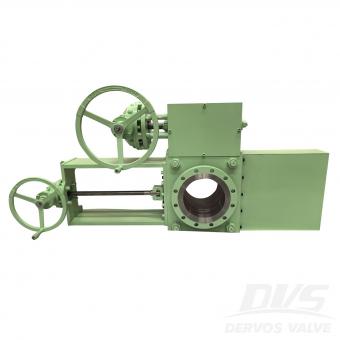
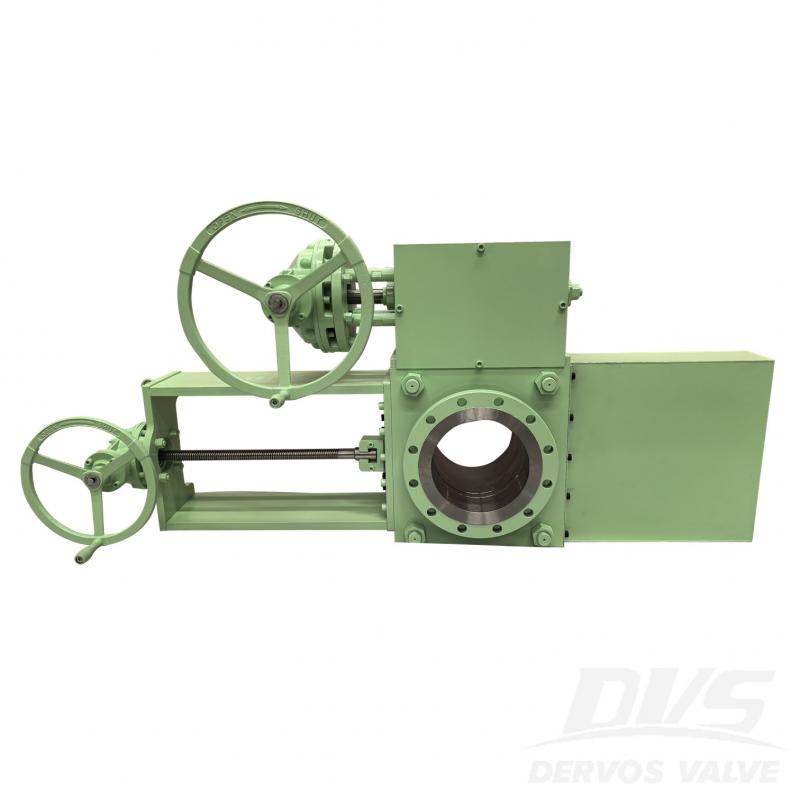
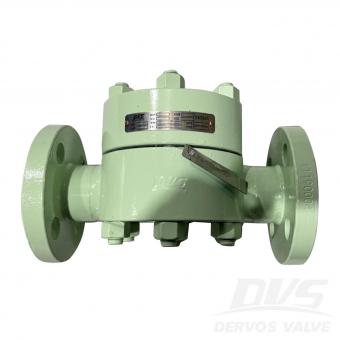
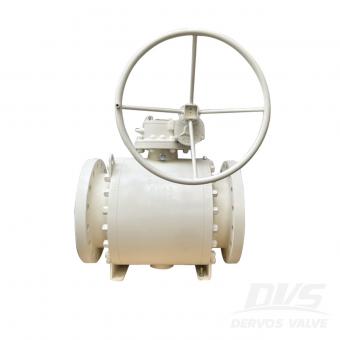
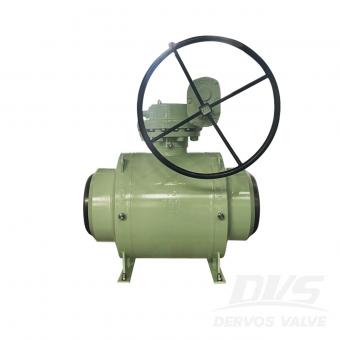
تم تصنيع الصمام الأعمى ذو الخط 10 بوصة 150LB وفقًا لمعيار ASME B16.34. جسم الصمام مصنوع من A105. له الخصائص الهيكلية المضادة للتنقيط. وضع الاتصال الخاص به هو RF. وله وضع تشغيل التوربين.
دفع:
30% when order confirmed, 70% before shipmentأصل المنتج:
Chinaاللون:
Customizationميناء الشحن:
Shanghai, Chinaالمهلة:
30~60 days Ex Works after order confirmationMaterial:
A105Method of Operation:
Turbine Operation
|
اكتب |
صمام الخط الأعمى |
|
الحجم |
10" |
|
الضغط |
150 رطل |
|
اتصال |
الترددات اللاسلكية |
|
العملية |
تشغيل التوربينات |
|
مادة الجسم |
A105 |
|
معيار التصميم |
أسم B16.34 |
|
البعد وجهًا لوجه |
معيار الشركة المصنعة |
|
بعد الشفة |
أسم B16.5 |
|
رمز الاختبار والفحص |
واجهة برمجة التطبيقات 598 |
|
درجة الحرارة |
-29 ~ 150درجة مئوية |
|
الوسيط المطبق |
المياه والنفط والغاز |
1. مجهزة بوظيفة الفتح والإغلاق السريع، لا يلزم تفكيك أو تركيب إضافي لتجهيزات الأنابيب، مما يقلل من وقت التشغيل وعبء العمل على العامل؛
2. مناسبة لمختلف الوسائط، بما في ذلك الغازات والسوائل والملاط والجسيمات، وتستخدم على نطاق واسع في صناعات مثل البتروكيماويات والمعادن والطاقة.
إذا كنت مهتما في منتجاتنا و تريد أن تعرف المزيد من التفاصيل,يرجى ترك رسالة هنا وسوف نقوم بالرد عليك بأسرع ما يمكن.
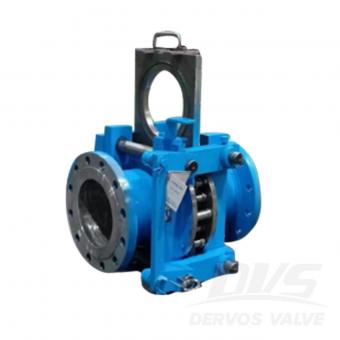
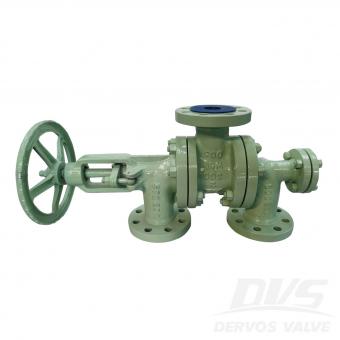
الصمام الأعمى الخطي (صمام النظارات) هو نوع من صمام البوابة الذي يقطع وسيط الغاز يدويًا أو كهربائيًا أو هوائيًا أو هيدروليكيًا. وهي مقسمة عمومًا إلى صمام كهربائي أعمى ، وصمام أعمى هيدروليكي ، وصمام مغلق بسدادة ، وصمام أعمى كهربائي مفتوح.
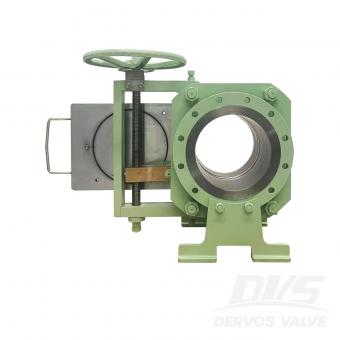
يتم استخدام الستائر الخطية في أنظمة خطوط الأنابيب عندما تكون هناك حاجة إما للإغلاق الكامل أو انتقال التدفق دون عوائق دون انخفاض كبير في الضغط. يتيح تصميم THD (التصميم من خلال الفتحة) إجراء تعديلات سريعة وسلسة في الموضع. يتميز متغير شريحة THD بتكوين متعدد البراغي، مما يجعل من السهل التشغيل بأبعاد منخفضة وجهاً لوجه. إن تضمين مسامير الجسم الإضافية يجعل هذا النمط مناسبًا بشكل خاص لتطبيقات الضغط العالي.
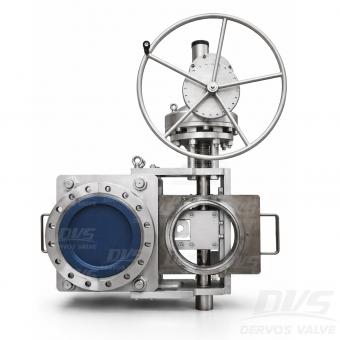
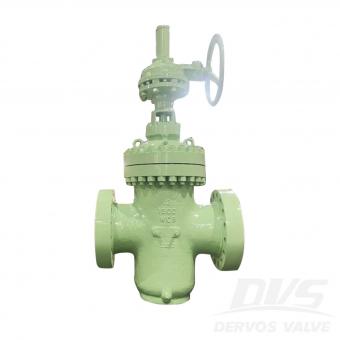
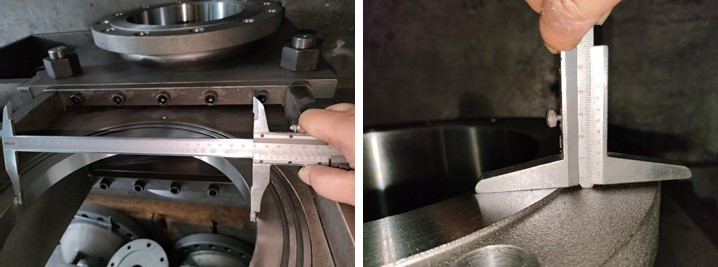
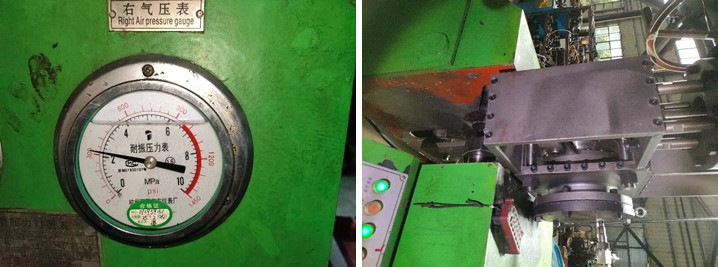
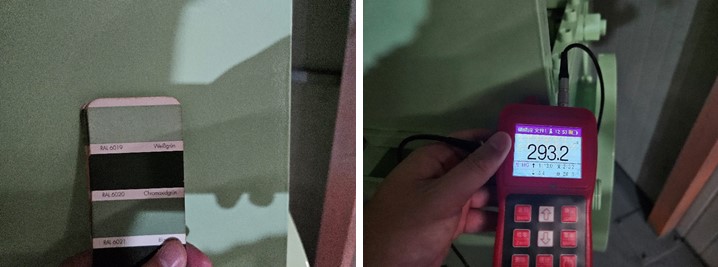
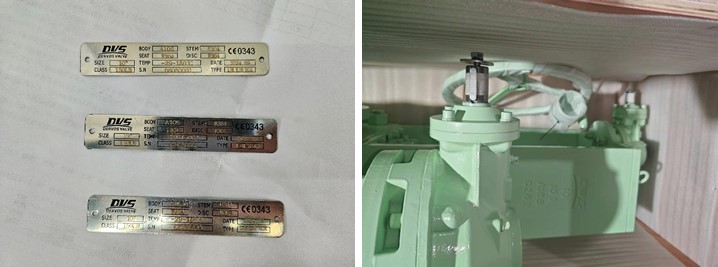
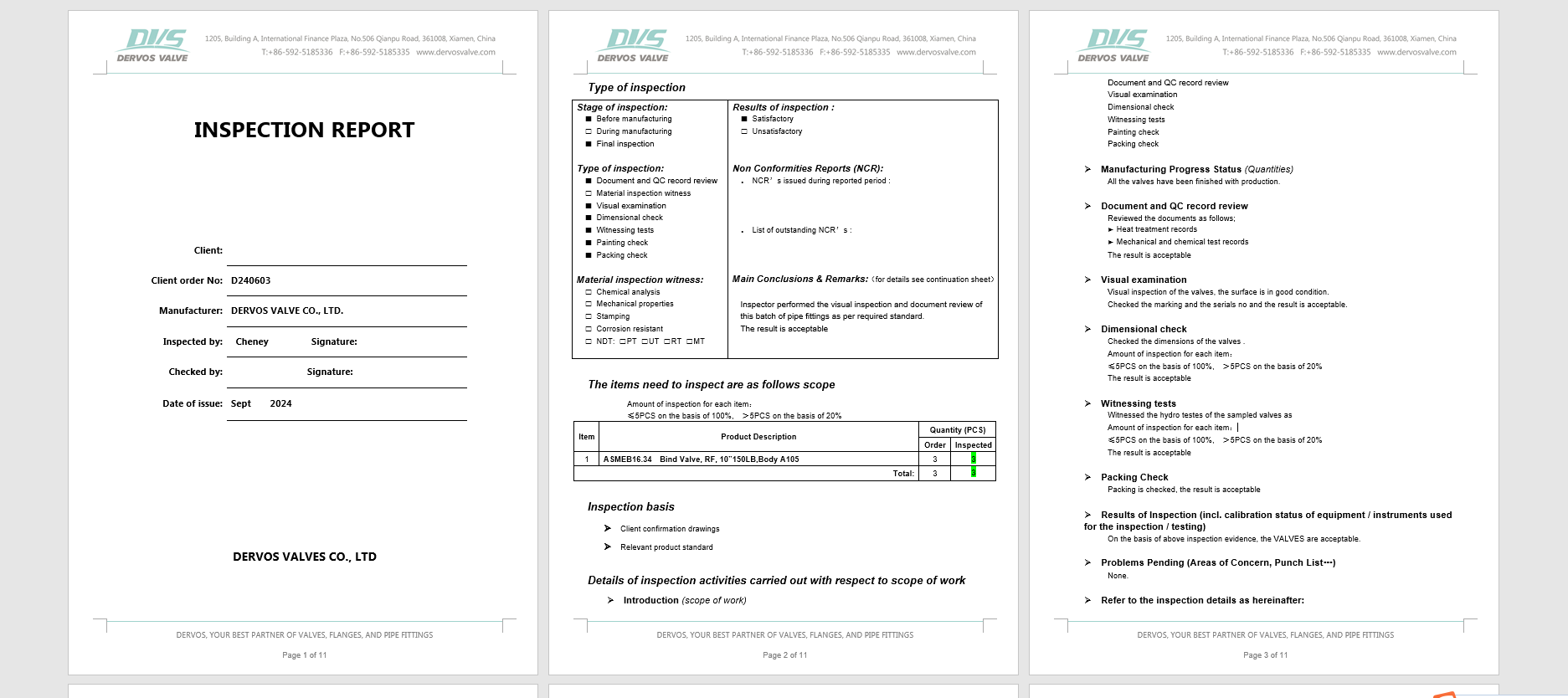
صمام DN400 PN40 المنزلق ذو الغطاء المغلق مصنوع وفقًا لمعيار EN12516-1/2. جسم الصمام مصنوع من الفولاذ LF2. صُمم الصمام للعمل مع البخار بدرجة حرارة تشغيل 250 درجة مئوية، وضغط تشغيل 1.3 ميجا باسكال، وضغط تصميم 2 ميجا باسكال، ونطاق درجة حرارة تصميم من -39 درجة مئوية إلى +350 درجة مئوية، ونطاق درجة حرارة محيطة من -39 درجة مئوية إلى +34.7 درجة مئوية. طريقة توصيله هي التردد اللاسلكي (RF). وهو مزود بتروس. وضع التشغيل. معايير المنتج يكتب صمام انزلاقي مغلق مقاس DN400 ضغط PN40 اتصال الترددات اللاسلكية عملية معدات مادة الجسم A182 LF2 معيار التصميم EN12516-1/2 وجهاً لوجه معايير الموردين أبعاد الشفة GOST 33259-النوع ب قانون الاختبار والتفتيش EN12266-1/2 درجة حرارة -29 ~ 120 درجة مئوية الوسيلة المناسبة الماء والنفط والغاز سمات 1. يوفر التصميم المصنوع من قطعة واحدة والمطروقة سلامة هيكلية عالية وأداءً مانعًا للتسرب تحت ضغط PN40. 2. آلية الانزلاق العمياء المزودة بشفة ترددات الراديو تسمح بعزل أجزاء خط الأنابيب بشكل آمن وفعال. الرسم الفني فحص الأبعاد اختبار الضغط تلوين لوحة الاسم والتغليف تقرير التفتيش
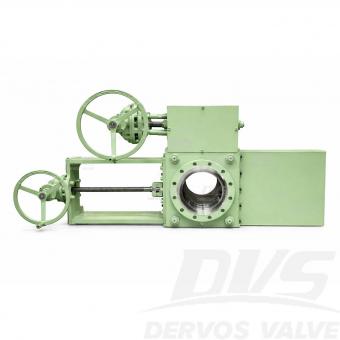
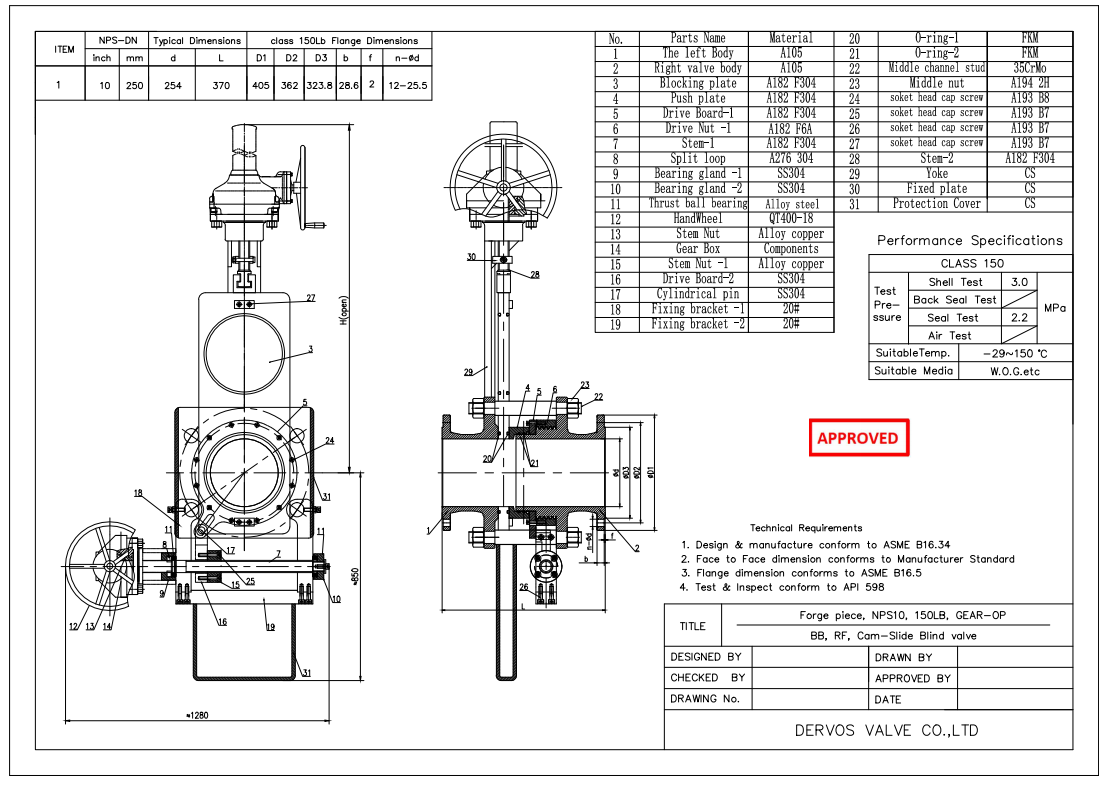
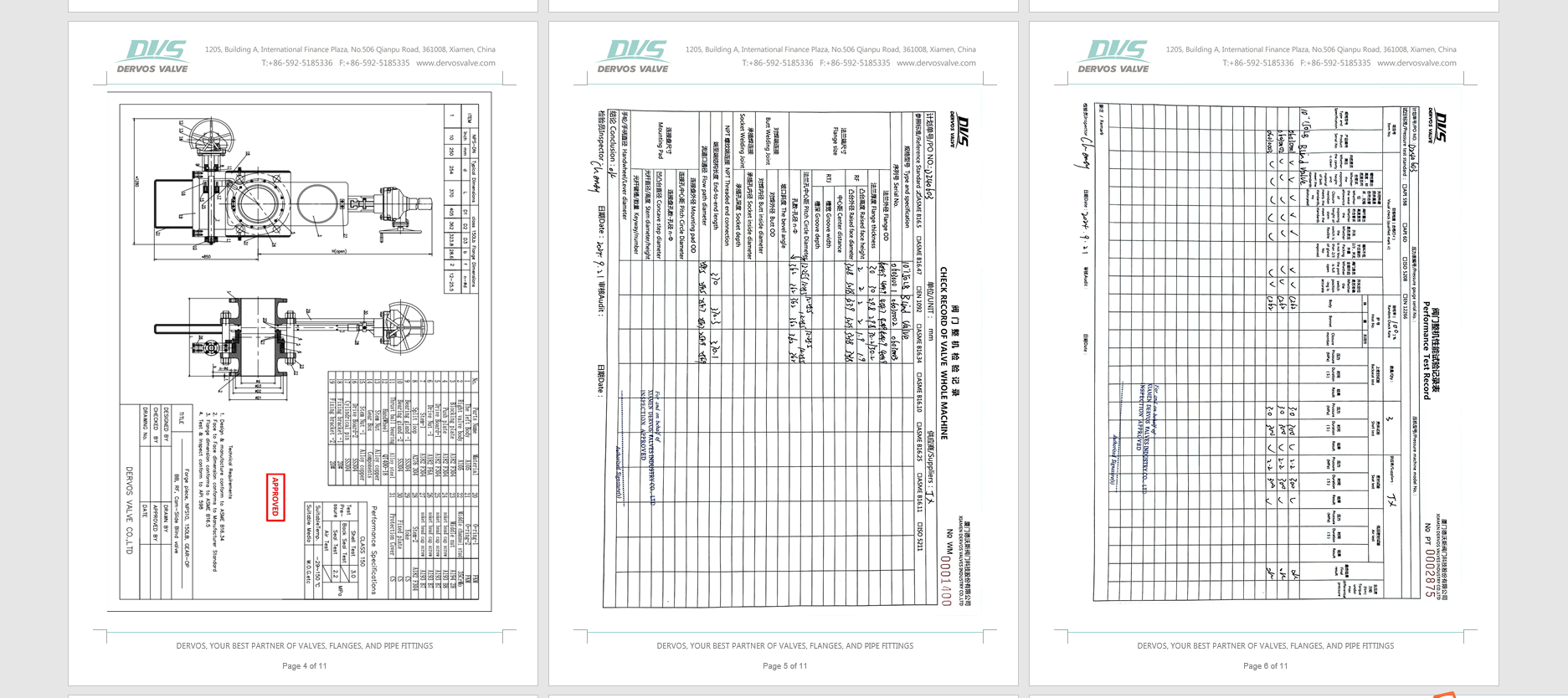
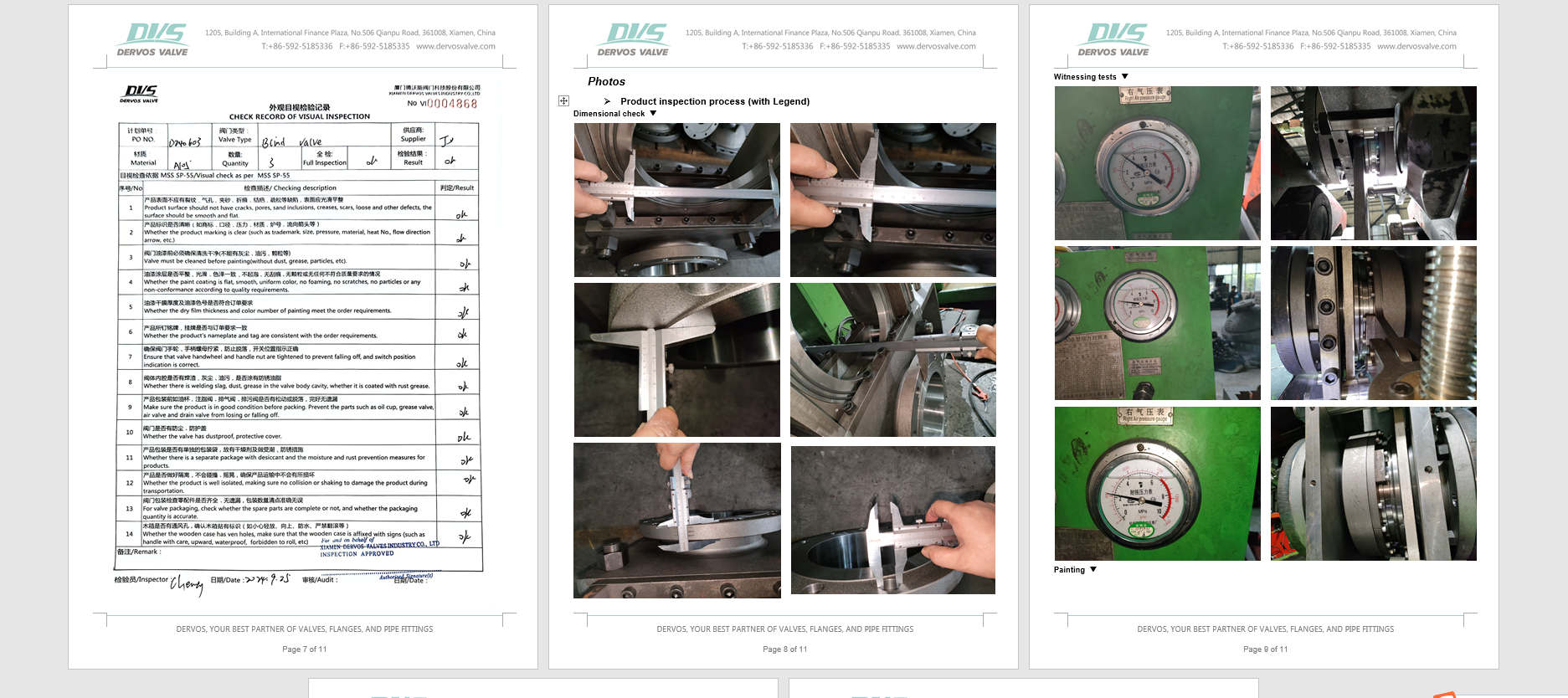
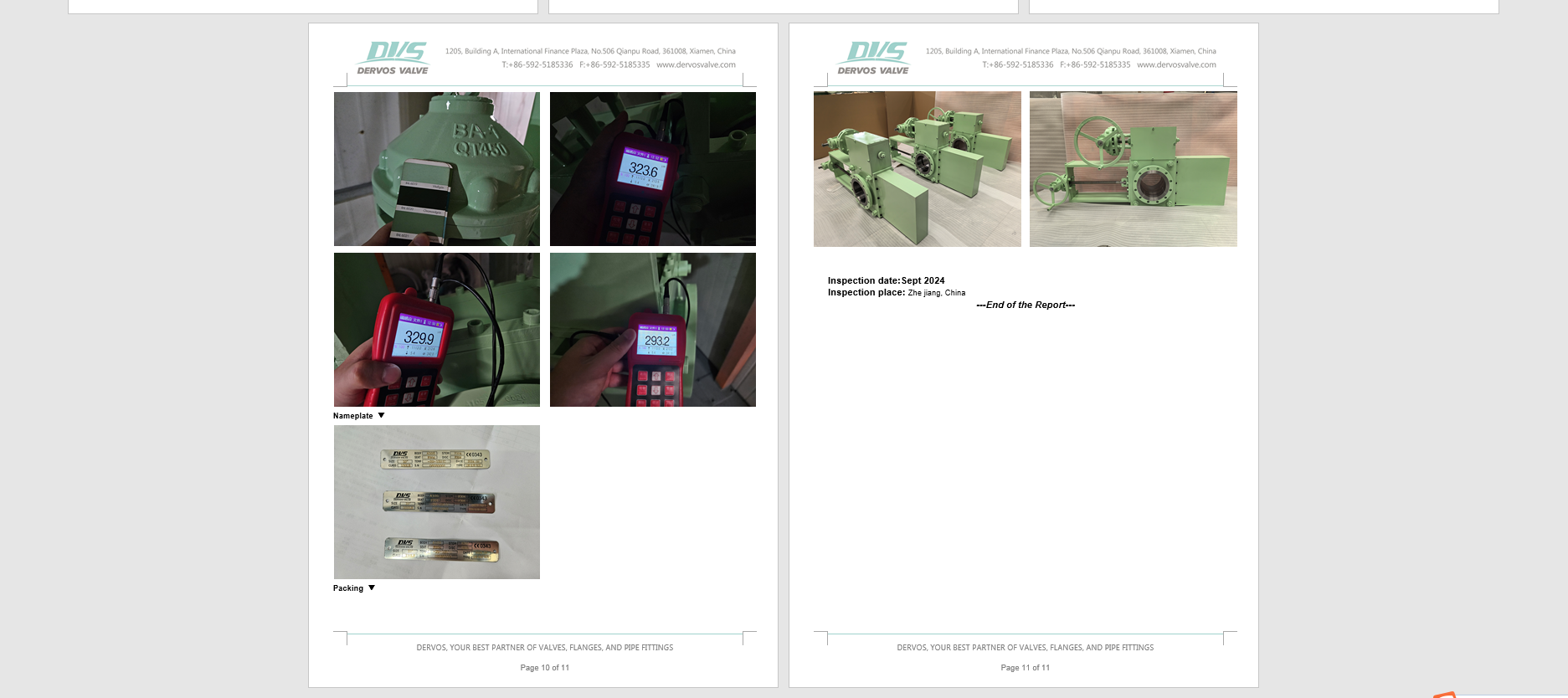
صمام انزلاقي مغلق بقطر 10 بوصات ووزن 150 رطلًا مصنوع وفقًا لمعيار ASME B16.34. جسم الصمام مصنوع من الألومنيوم A105. يتميز بتصميم مقاوم للتقطير. يعمل بنظام الترددات اللاسلكية (RF). مزود بتوربين. وضع التشغيل. معايير المنتج يكتب صمام انزلاقي مغلق مقاس 10 بوصات ضغط 150 رطل اتصال الترددات اللاسلكية عملية توربين مادة الجسم A105 معيار التصميم ASME B16.34 وجهاً لوجه معيار الشركة المصنعة أبعاد الشفة معيار ASME B16.5 قانون الاختبار والتفتيش API 598 درجة حرارة -29 ~ 150 درجة مئوية الوسيلة المناسبة الماء والنفط والغاز سمات 1. آلية الانزلاق التي تعمل بالتوربينات تتيح التشغيل السلس والفعال لعزل خطوط الأنابيب ذات الأقطار الكبيرة. 2. يضمن الهيكل المصنوع من الفولاذ الكربوني A105 المطروق مع شفة RF القوة والمتانة وأداء منع التسرب الموثوق به. الرسم الفني فحص الأبعاد اختبار الضغط تلوين لوحة الاسم والتغليف تقرير التفتيش
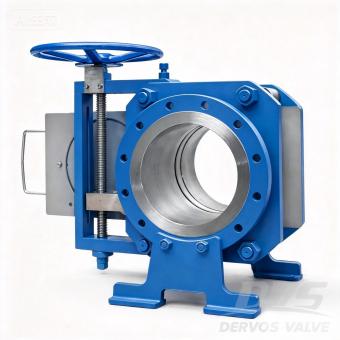
مقدمة يوفر صمام الخط المنزلق ذو الفئة 300 مقاس 10 بوصات عزلًا إيجابيًا مطلقًا لخطوط الأنابيب ذات الضغط المتوسط إلى العالي، حيث يجمع بين موثوقية الحاجز المادي الصلب وبساطة التشغيل اليدوي بواسطة البرغي. بخلاف الصمامات التقليدية التي تعتمد على مقاعد معرضة للتآكل، تُنشئ آلية الإغلاق المنزلقة حاجزًا ماديًا حقيقيًا، مما يضمن عدم حدوث أي تسريب أثناء الصيانة دون الحاجة إلى تخفيض ضغط النظام. وهذا يقلل بشكل كبير من وقت التوقف ويعزز سلامة العاملين. يوفر التصميم اليدوي الذي يعمل بالبرغي حركة دقيقة ومتحكم بها للوحة العمياء، مع قدرة القفل الذاتي المتأصلة للحفاظ على الوضع تحت الضغط - وهو مثالي للتطبيقات التي قد لا تتوفر فيها الطاقة الكهربائية أو الهوائية أو قد لا تكون مفضلة. صُمم هذا الصمام وفقًا لمعيار ASME B16.34 مع حواف RF وفقًا لمعيار ASME B16.5، وهو متوفر من الفولاذ الكربوني المطروق (A105) أو الفولاذ المقاوم للصدأ أو سبائك معدنية لتناسب ظروف التشغيل. تخضع كل وحدة لاختبار ضغط بنسبة 100% وفقًا لمعيار API 598. يُعد هذا التكوين ذو العشر بوصات من الفئة 300 خيارًا شائعًا لخطوط أنابيب البخار والنفط والغاز والمواد الكيميائية. تتوفر أحجام أخرى من بوصة واحدة إلى 60 بوصة وفئات ضغط تصل إلى الفئة 2500 ضمن سلسلة صماماتنا العمياء الكاملة. فتحة شريحة THD سمات 1. برغي يدوي التشغيل مع قفل ذاتي تتيح آلية التثبيت اللولبية الدقيقة وضع اللوحة العمياء بسلاسة وتحكم. وتحافظ آلية القفل الذاتي على الوضع تحت الضغط دون الحاجة إلى أجهزة كبح إضافية. 2. العزلة الجسدية المطلقة تُشكل الصفيحة العمياء الصلبة حاجزًا حقيقيًا، مما يضمن عدم حدوث أي تسرب أثناء الصيانة - على عكس الصمامات التي تعتمد على المقعد والتي يمكن أن تتآكل أو تتدهور بمرور الوقت. 3. التشغيل المباشر بدون تخفيف الضغط تتيح آلية الانزلاق التبديل بين وضعيات التدفق والوضعيات المغلقة دون الحاجة إلى تفريغ النظام، مما يقلل من وقت التوقف وفقدان المنتج. 4.10 بوصة الفئة 300 - التوازن الأمثل يوفر قدرة ضغط أعلى من الفئة 150 مع كونه أكثر اقتصادية من الفئة 600، مما يجعله خيارًا متعدد الاستخدامات لمجموعة واسعة من التطبيقات الصناعية. 5. هيكل من الفولاذ الكربوني المطروق يوفر الهيكل المصنوع من سبيكة A105 قوة عالية ومقاومة للصدمات وأداءً موثوقًا به في ظل دورات التغير الحراري. 6. تم اختباره وفقًا لمعيار API 598 يضمن الاختبار الهيدروستاتيكي والهوائي بنسبة 100% أداءً محكمًا ضد التسرب قبل الشحن. المواصفات القياسية المعلمة مواصفة يكتب صمام خطي منزلق مقاس 10 بوصة (DN250) تصنيف الضغط الفئة 300 (PN50) اتصال شفة الترددات الراديوية، ASME B16.5 عملية يدوي التشغيل بالبرغي (قفل ذاتي) مادة الجسم فولاذ كربوني مطروق A105 (تتوفر سبائك أخرى) مادة الختم / المقعد معدن إلى معدن (الفولاذ المقاوم للصدأ + الجرافيت) معيار التصميم ASME B16.34 البعد وجهاً لوجه وفقًا لمعيار ASME B16.10 أو معيار الشركة المصنعة الاختبار والفحص API 598 (هيدروستاتيكي وهوائي بنسبة 100%) نطاق درجة الحرارة من -29 درجة مئوية إلى +425 درجة مئوية (حسب نوع الختم) الوسائط المطبقة البخار، النفط، الغاز، الماء، الهيدروكربونات طلب عزل خطوط الأنابيب، مصافي النفط، مصانع البتروكيماويات، توليد الطاقة الرسم الفني خيارات تصميم مرنة تكوينات مصممة Ø


حقوق النشر © 2015-2026 DERVOS VALVE CO.,LTD.كل الحقوق محفوظة مدونة / خريطة الموقع / XML / سياسة الخصوصية