يُعد تصنيف ضغط الصمام أحد المعايير الأساسية المستخدمة لتحديد ما إذا كان الصمام يمكنه العمل بأمان في نظام أنابيب محدد. في التطبيقات الصناعية، لا تمثل فئة الضغط ببساطة أقصى ضغط تشغيل للصمام. تعتمد قدرة الضغط الفعلية على تصنيف الضغط-درجة الحرارة المحدد بواسطة معايير مثل ASME B16.34، بالإضافة إلى مواد الصمام، وظروف التصميم، وهيكل الإحكام، ووسيط الخدمة.
بالنسبة للصمامات المستخدمة في النفط والغاز، والبتروكيماويات، وتوليد الطاقة، وصناعات المعالجة، فإن اختيار فئة الضغط الصحيحة أمر ضروري لمنع التسرب والتشوه والفشل المبكر. قد يكون لصمام من الفئة 150 وصمام من الفئة 2500 نفس الحجم الاسمي، لكن قدرة احتواء الضغط، وسُمك الجدار، وتصميم حدود الضغط، وظروف الخدمة المطبقة تختلف بشكل كبير.
يُعبّر عن فئات ضغط الصمامات عادةً على أنها تصنيفات فئة ASME، بما في ذلك الفئة 150، والفئة 300، والفئة 600، والفئة 900، والفئة 1500، والفئة 2500. تحدد هذه التصنيفات حدود الضغط-درجة الحرارة بدلاً من قيمة ضغط واحدة.
على سبيل المثال، لا يُصنّف صمام من الفئة 600 دائمًا على أنه يتحمل 600 رطل لكل بوصة مربعة، كما أن صمام الفئة 150 لا يقتصر على 150 رطل لكل بوصة مربعة تحت جميع الظروف. يتغير الضغط المسموح به وفقًا لمادة الصمام ودرجة حرارة التشغيل. إذا كان صمام من الفولاذ الكربوني يعمل عند درجة حرارة محيطة، فقد يكون تصنيف ضغطه أعلى بكثير من تصنيفه عند تشغيل الصمام نفسه في درجات حرارة مرتفعة.
مع ارتفاع درجة الحرارة، تنخفض قوة المادة، مما يقلل ضغط التشغيل المسموح به. لذلك، يجب أن يأخذ اختيار فئة الضغط دائمًا في الاعتبار ضغط التصميم ودرجة حرارة التصميم معًا، بدلاً من الاعتماد فقط على ضغط خط الأنابيب.
في الممارسة الهندسية، يتم تحديد تصنيف ضغط الصمام الصحيح بناءً على أقصى ضغط تشغيل مسموح به للنظام. إذا كان ضغط تصميم خط الأنابيب قريبًا من حد فئة ضغط معينة، فعادةً ما يُعتبر اختيار الفئة الأعلى التالية وسيلة لتوفير هامش أمان إضافي وتقليل مخاطر الأعطال المرتبطة بالضغط.
تُستخدم فئات الضغط المنخفضة مثل الفئة 150 بشكل شائع في أنظمة المياه والمرافق وتطبيقات المعالجة منخفضة الضغط. تُستخدم صمامات الفئة 300 والفئة 600 على نطاق واسع في المصافي، والمعالجة الكيميائية، والبخار، وخطوط الأنابيب الصناعية العامة. أما الفئات الأعلى مثل الفئة 900، والفئة 1500، والفئة 2500 فتُختار عادةً لتطبيقات الضغط العالي، بما في ذلك البخار عالي الضغط، ونقل النفط والغاز، وأنظمة المعالجة الحرجة.
ومع ذلك، لا تحدد فئة الضغط وحدها ملاءمة الصمام. إذا كان الوسط شديد التآكل، فإن اختيار المادة يصبح مهمًا بنفس القدر. قد لا يكون صمام من الفولاذ الكربوني من الفئة 600 مناسبًا لخدمة الغاز الحامضي، بينما قد يوفر صمام من الفولاذ المقاوم للصدأ أو من سبيكة مقاومة للتآكل مع هامش ضغط أقل موثوقية أفضل على المدى الطويل.
تتطلب فئات الضغط الأعلى مكونات أقوى لاحتجاز الضغط. مع زيادة تصنيف الضغط، تحتاج أجسام الصمامات عمومًا إلى سُمك جدار أكبر، ومواد أقوى، وتصميمات وصلات أكثر متانة. كما يجب أن يتحمل نظام الإحكام فرق الضغط الأعلى دون تسرب مفرط أو تلف ميكانيكي.
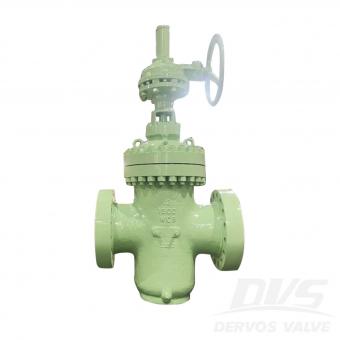
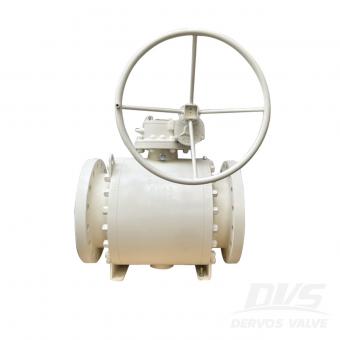
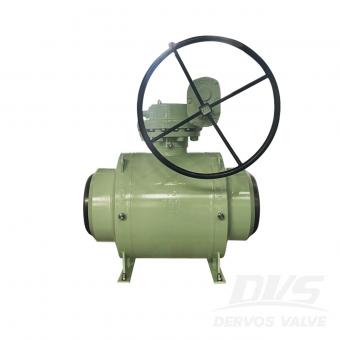
على سبيل المثال، صمامات البوابة عالية الضغط والصمامات الكروية غالبًا ما تستخدم أجسامًا من الفولاذ المطروق أو المصبوب مصممة وفقًا لمتطلبات API 600 وAPI 602 أو ASME B16.34. قد تتطلب الصمامات الكروية عالية الضغط تصميمات مثبتة على محور لتقليل عزم التشغيل والحفاظ على إحكام موثوق تحت فرق ضغط عالٍ.
ترتبط وصلات نهايات الصمام أيضًا بفئة الضغط. تُزوّد صمامات الفئة 150 والفئة 300 عادةً بفلنجات ASME B16.5، بينما قد تتطلب تصنيفات الضغط الأعلى أبعاد فلنجات خاصة أو وصلات لحام تناكبي اعتمادًا على حجم الصمام ومتطلبات التطبيق.
يحدد تصنيف ضغط الصمام أقصى ضغط مسموح به تحت ظروف درجة حرارة محددة، لكن عمر الخدمة الفعلي يعتمد على استقرار التشغيل، وتكرار دورات التشغيل، وظروف الصيانة.
إذا كان الصمام يعمل بشكل متكرر بالقرب من حد الضغط-درجة الحرارة الخاص به، فإن مكونات الإحكام وأنظمة الحشو ومواد حدود الضغط تتعرض لإجهاد أعلى. ومع مرور الوقت، يمكن أن يؤدي ذلك إلى تسرب المقعد، أو تسرب ساق الصمام، أو فشل الحشيات، أو إجهاد جسم الصمام.
بالنسبة للتطبيقات الحرجة، يقوم المهندسون عادةً بتقييم فئة الضغط مع توافق المواد، ومتطلبات السلامة من الحريق، ومقاومة التآكل، والمعايير المطبقة. يجب أن يحافظ الصمام المختار بشكل صحيح على سلامة الضغط طوال فترة التشغيل المتوقعة بدلاً من الاكتفاء بتحقيق ضغط التصميم الأولي.
ماذا تعني الفئة 150 على الصمام؟
تشير الفئة 150 إلى فئة ضغط وفق ASME تحدد تصنيف الضغط-درجة الحرارة المسموح به للصمام. تعتمد قدرة الضغط الفعلية على مادة الصمام ودرجة حرارة التشغيل.
هل يمكن لصمام من الفئة 300 أن يحل محل صمام من الفئة 150؟
نعم، يمكن لصمام من فئة ضغط أعلى أن يحل محل صمام من فئة أقل بشكل عام إذا كانت أبعاد الوصلات والمواد ومتطلبات التشغيل متوافقة.
هل الفئة 600 تساوي 600 رطل لكل بوصة مربعة؟
لا. فئة الصمام 600 ليست قيمة ضغط مباشرة. يتغير ضغط التشغيل المسموح به وفقًا لدرجة الحرارة والمادة وفقًا لجداول تصنيف الضغط-درجة الحرارة.
كيف أختار بين صمامات الفئة 1500 والفئة 2500؟
يعتمد الاختيار على ضغط تصميم النظام، ودرجة الحرارة، وخصائص الوسط، وحجم الصمام، وهامش الأمان المطلوب. إذا اقترب ضغط التشغيل من حد الفئة 1500، فقد يتم النظر في استخدام الفئة 2500.
هل تعني فئة الضغط الأعلى دائمًا أداءً أفضل للصمام؟
ليس بالضرورة. توفر فئة الضغط الأعلى قدرة أكبر على تحمل الضغط، لكن اختيار المادة المناسب، وتصميم الإحكام، والتوافق مع ظروف الخدمة لا تقل أهمية.


حقوق النشر © 2015-2026 DERVOS VALVE CO.,LTD.كل الحقوق محفوظة مدونة / خريطة الموقع / XML / سياسة الخصوصية