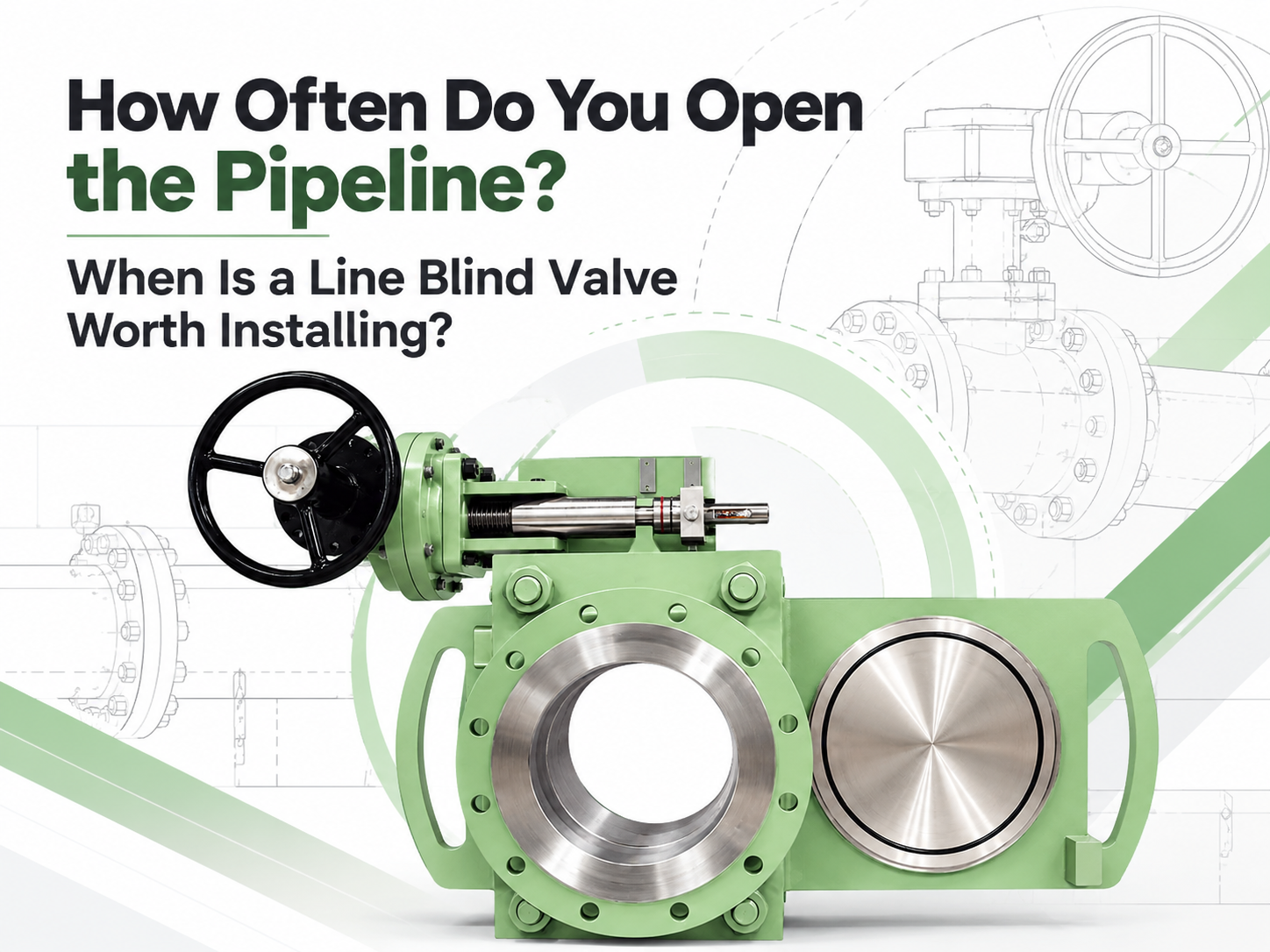
A line blind valve is worth evaluating when a pipeline is blinded several times a year, or when one conventional changeover causes hours of shutdown, lifting work or significant exposure to hazardous residue. No universal cycle count guarantees payback. A large critical line operated twice a year may justify the investment, while a small accessible line operated monthly may not. The decision should be based on the cost and risk of each complete isolation event, not frequency alone. There Is No Standard “Two Operations per Year” Rule Some suppliers use one or two annual changeovers as a screening threshold. That can start a discussion, but it is not an engineering rule. Frequency has very different consequences on a DN50 utility line and a DN600 process-gas main. For a preliminary review, the following bands are useful but not mandatory: Blinding frequency Initial interpretation Once per major turnaround or less A removable blind or spectacle blind is often more economical. One to three times per year Compare labor, lifting, outage duration and medium risk carefully. Quarterly to monthly A quick-action line blind is normally a strong candidate. Weekly or more often Purpose-built or automated isolation deserves detailed review; also confirm that a line blind is suitable for the required cycle duty. A low operating frequency can still support installation when every event requires scaffolding, a crane, several pipefitters or a long production interruption. Conversely, frequent operation does not justify a line blind if the process cannot accommodate its pressure, temperature, materials or maintenance needs. Count the Complete Changeover Traditional blinding is more than moving a plate. After the line is made safe, workers loosen bolting, spread the flange joint, handle the blind or spacer, replace gaskets, restore alignment, tighten the joint and complete leak checks. Large sizes add rigging and access equipment. A quick-action line blind keeps the spectacle or sliding plate supported inside the installed assembly. Manufacturer literature commonly reports one-person changeover in minutes rather than the man-hours needed for conventional flange work. Those figures are useful for screening, but the project calculation should use the plant’s own procedures and recorded shutdown times. Use a simple comparison: Annual avoided cost = operations per year x cost avoided per operation Avoided cost may include pipefitter hours, rigging, scaffolding, gaskets and bolting, leak testing and the production value of saved time. Keep categories separate to avoid double counting. Compare the annual saving with the line blind’s additional installed price and maintenance cost. Risk Can Matter More Than Simple Payback Repeated flange separation creates opportunities for residual-medium exposure, damaged flange faces, poor alignment and inconsistent bolt load...
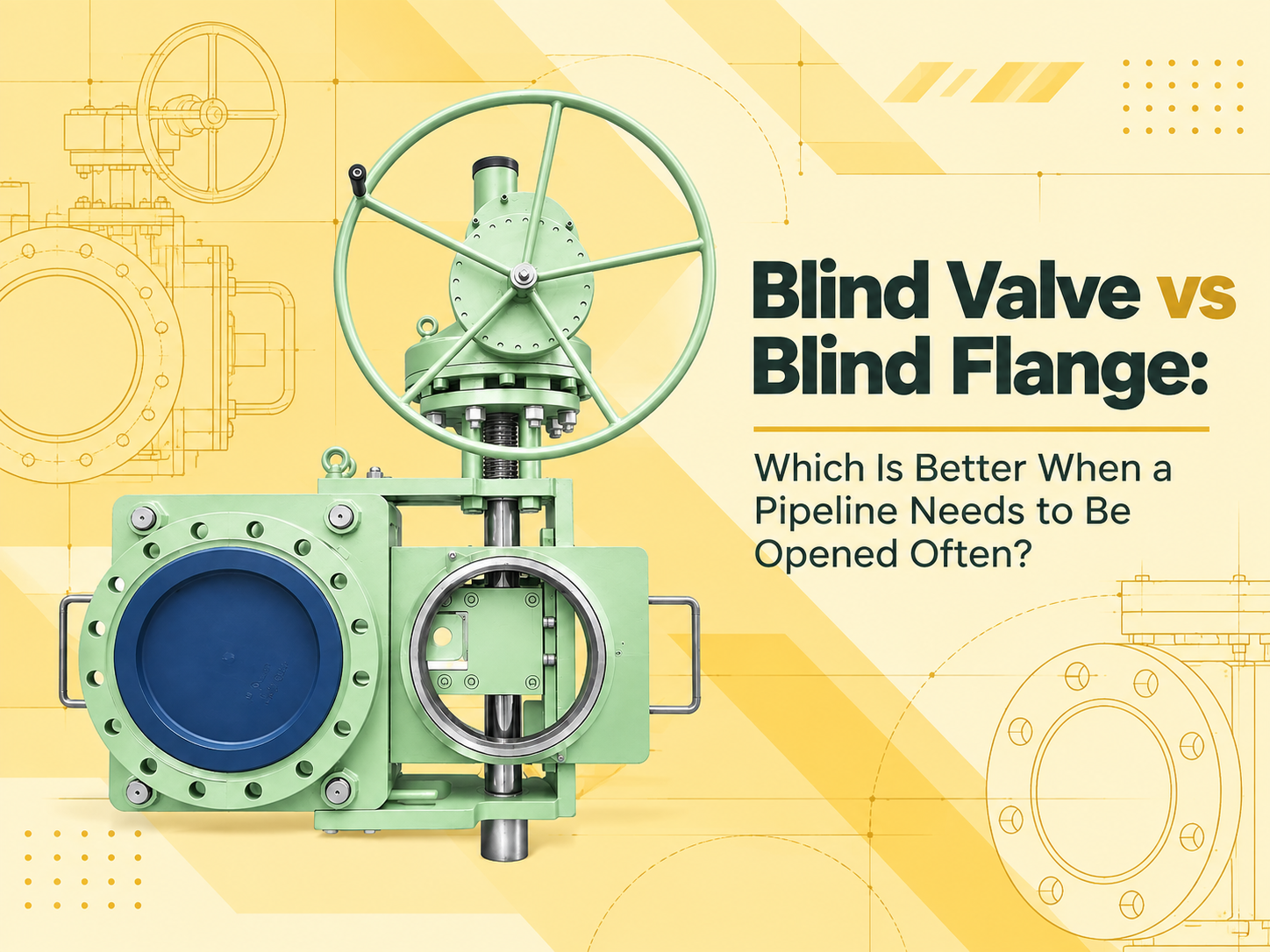
عندما يجب فتح خط الأنابيب وعزله بشكل إيجابي ومتكرر، فإن صمام العزل الأعمى (line blind valve) عادة ما يكون الخيار الأفضل. فهو يبقي آلية العزل مثبتة بشكل دائم ويسمح للمشغلين بالتبديل بين وضعي الفتح والإغلاق دون الحاجة إلى إزالة غطاء طرفي مثبت بمسامير بشكل متكرر. تكلّف الشفة العمياء (blind flange) أقل وتحتوي على أجزاء متحركة أقل، لكنها أكثر ملاءمة لإغلاق طرف أنبوب سيظل مغلقاً لفترات طويلة. تفترض هذه الإجابة أن "الشفة العمياء" تعني شفة صلبة مثبتة بمسامير في نهاية أنبوب أو فوهة. أما العازل النظاري (spectacle blind) أو العازل القابل للإزالة (spade) المثبت بين شفتين فهو جهاز مختلف، على الرغم من أنه ينشئ حاجز عزل معدني صلب مماثل. التغيير المتكرر للفتح يغير حساب التكلفة سعر الشراء يرجح كفة الشفة العمياء. فبناؤها بسيط، وتقتصر الصيانة إلى حد كبير على فحص وجه الشفة، والحشية، والمسامير، والصواميل. إذا كان الإغلاق لن يتم التعامل معه إلا أثناء فترات التوقف العرضية، فمن الصعب التغلب على هذه البساطة. أما الفتح المتكرر فيغير الصورة. تتطلب إزالة الشفة العمياء إيقاف تشغيل الخط، وتفريغ الضغط، وتصريفه أو تطهيره، والتحقق من سلامته. يجب بعد ذلك فك المسامير، ودعم الشفة، وفصل أسطح الإغلاق. قد تتطلب الشفاه الأكبر حجماً معدات رفع. تتطلب إعادة التجميع حشية جديدة، وربطاً محكماً للمسامير، واختباراً للتسرب. لا تعتبر أي من هذه الخطوات غير عادية، لكن تكرارها يحول مكوناً منخفض التكلفة إلى طريقة تشغيل كثيفة العمالة. يتطلب صمام العزل الأعمى أيضاً عزل الخط وتفريغ الضغط منه قبل تغيير وضعه ما لم ينص تصميمه المعتمد وإجراءات تشغيله على خلاف ذلك صراحةً. وتكمن ميزته في المناولة الميكانيكية: حيث يظل اللوح أو الفاصل أو العنصر المنزلق محتجزاً داخل جسم الصمام، وتقوم الآلية بفصل أسطح الإغلاق وتحريكها وإعادة تثبيتها. قد تناسب التروس اليدوية قوى التشغيل المعتدلة؛ بينما قد يكون التشغيل الكهربائي أو الهوائي أو الهيدروليكي مبرراً للأحجام الكبيرة أو التشغيل عن بُعد. صمام العزل الأعمى يقلل من المناولة ولكنه يضيف معدات للصيانة بالنسبة للتبديل المتكرر، يمكن لصمام العزل الأعمى تقصير المهمة وتقليل المناولة المتكررة للألواح والمسامير والحشيات الثقيلة. عادة ما يكون وضع الفتح أو الإغلاق مرئياً من اللوح الخارجي أو مؤشر الوضع، مما يساعد في التحقق الميداني. كما أنه يتجنب إجبار الأنابيب المتصلة على التباعد بشكل متكرر لإدخال أو إزالة العازل. تأتي هذه المزايا مع صيانة إضافية. يجب أن تظل الموجهات، والبراغي، وعلب التروس، والمكونات الهيدروليكية، والأختام، وأقفال التعشيق (interlocks) تعمل بكفاءة. يمكن أن تعيق رواسب المنتج أو التآكل حركة اللوح، بينما يمكن أن تمنع أسطح الإغلاق التالفة إعادة التثبيت الموثوقة. لذلك يحتاج التركيب إلى تصريف، ووصول للتنظيف، وخلوص محيطي كافٍ لإكمال الحركة الكاملة وصيانة الآلية. لا تحتوي الشفة العمياء على آلية تشغيل قد تتعطل. ومع ذلك، فإن الإزالة المتكررة يمكن أن تلحق الضرر بوجوه الشفة، أو تمدد المسامير أو تسبب تآكلها، وتخل بمحاذاة الأنابيب، وتعرض العمال للمواد المتبقية. السؤال ليس ببساطة أي جهاز يحتوي على أجزاء أقل؛ بل هو ما إذا كان التفكيك المتكرر يخلق عملاً ومخاطر أكثر من صيانة صمام عزل أعمى مصمم لهذا الغرض. العزل الإيجابي يعتمد دائماً على الإجراء يمكن لكلا الترتيبين وضع حاجز صلب مقاوم للضغط عبر التجويف. تصف إدارة السلامة والصحة المهنية (OSHA) العزل (blanking or blindi...

نعم، يمكن عادةً إضافة صمام عزل الخط (line blind valve) إلى خط أنابيب موجود، ولكن المهمة نادراً ما تكون بسيطة كقطع جزء قصير وإدخال الصمام. يجب أن يتناسب الصمام مع الفلنجات (الشفاه) وفئة الضغط الموجودة، ولكن هذا هو الفحص الأول فقط. كما يحتاج الصمام إلى مساحة لتحرير آلية الإغلاق، وتحريك لوحة العزل، وإعادة التثبيت، والبقاء في متناول اليد للتشغيل المستقبلي. يجب بعد ذلك دعم الأنابيب المعدلة وفحصها واختبارها قبل إعادتها إلى الخدمة. الصمام الذي يتناسب بين نهايتي الأنبوب ولكنه لا يستطيع إكمال شوط تشغيله ليس خياراً قابلاً للتعديل. ابدأ بنطاق التشغيل الكامل يخبرك الطول من الوجه إلى الوجه بمقدار الأنبوب الذي يجب إزالته. ولا يخبرك بمقدار المساحة التي يحتاجها الصمام بمجرد بدء حركته. يحتاج صمام العزل من النوع المتأرجح (swing-type) إلى قوس واضح للوحة النظارة (spectacle plate). قد تمتد هذه المساحة إلى ما هو أبعد من جسم الصمام. يمكن للأنابيب المجاورة، ومسارات الكابلات، والدرابزين، والمنصات، والعزل، والفولاذ الهيكلي أن تعيق الحركة. يحتاج التصميم المنزلق إلى مساحة كافية للوحة لتتحرك جانبياً أو رأسياً. وتضيف آلية التشغيل، أو صندوق التروس، أو الأسطوانة الهيدروليكية، أو المشغل متطلبات خلوص إضافية. تحقق من رسم الترتيب العام للشركة المصنعة من أجل: ● الطول من الوجه إلى الوجه ● أقصى عرض وارتفاع للجسم ● حركة اللوحة الكاملة أو نصف قطر التأرجح ● خلوص العجلة اليدوية أو صندوق التروس أو المشغل ● المساحة المطلوبة لإزالة الأختام والأجزاء الداخلية ● نقاط الرفع والوصول إلى معدات الرفع ● موضع الوقوف الآمن للمشغل لا تقم بالقياس من خط منتصف الصمام فقط. قد يبتعد مشغل التروس عن الأنبوب المجاور بينما لا تزال لوحة العزل تصطدم به في منتصف الشوط. الاتجاه مهم أيضاً. في الأنابيب الرأسية، تتطلب بعض التصميمات وضعاً محدداً للآلية حتى لا تسحب الجاذبية مكوناً غير مثبت من مكانه. على سبيل المثال، تتطلب تعليمات الشركة المصنعة لتصميم يعمل بالكامة (cam-operated) تثبيت آلية الكامة أسفل لوحة النظارة على خط رأسي. تحقق من خط الأنابيب الحالي قبل اختيار الصمام الرسومات القديمة مفيدة، ولكن يجب أن يعتمد التناسب النهائي على القياسات الميدانية. ربما تم إصلاح خطوط الأنابيب الحالية أو تغيير مسارها أو سحبها خارج المحاذاة منذ إصدار الرسومات الأصلية. سجل القياسات الفعلية لـ: ● القطر الخارجي للأنبوب والجدول (schedule) ● معيار الفلنجة، والحجم، والفئة، والوجه ● المسافة بين وجوه الفلنجات أو نقاط القطع المقترحة ● خط منتصف الأنبوب واتجاه الفلنجة ● الحركة المتاحة في الخط الحالي ● سماكة العزل والتتبع الحراري ● الدعامات والموجهات ووصلات التمدد المجاورة ● ضغط وتصميم ودرجة حرارة التشغيل ● الوسط، وبدل التآكل، ومواصفات المواد قد تستخدم الشفاه التي تبدو متشابهة عمليات ثقب أو واجهات أو أبعاداً مختلفة. تأكد من التعيين الكامل للشفة بدلاً من الاعتماد على الحجم الاسمي وفئة الضغط فقط. يجب أن تتناسب الحشية المختارة أيضاً مع واجهة الشفة والوسط ودرجة الحرارة والتشطيب السطحي. إن تركيب صمام جديد بين واجهات شفاه تالفة أو متآكلة بشدة لن ينتج وصلة موثوقة. إذا كان الصمام يحتوي على نهايات ملحومة، فيجب أن تتطابق مادة الأنبوب، وسمك الجدار، وتجهيز نهاية اللحام، وإجراءات اللحام، ومتطلبات التسخين المسبق والمعالجة الحرارية بعد اللحام مع النظام الحالي. قد تحتاج الأجزاء الداخلية للصمام أيضاً إلى الحماية من الحرارة وتناثر اللحام أثناء التركيب...
دفع:
30% T/T When Order, 70% T/T Before Shipmentأصل المنتج:
Chinaاللون:
Customizationميناء الشحن:
Shanghai Chinaالمهلة:
35~60 days Ex Works After Order ConfirmationMaterial:
Stainless Steel Gate ValveMethod of Operation:
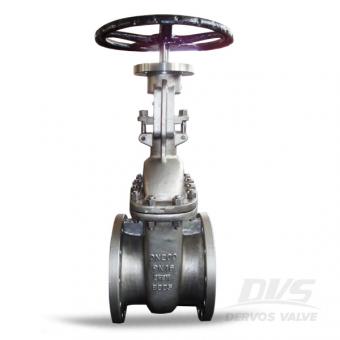
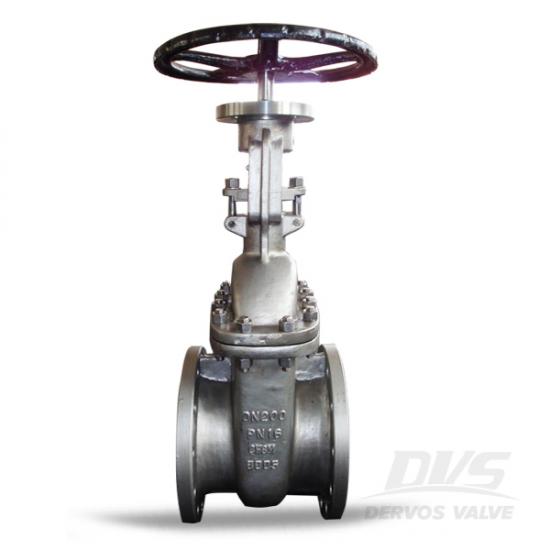
Manual Gate Valve, Handwheel Gate Valveتم تصميم صمام البوابة CF8M المصنوع من الفولاذ المقاوم للصدأ مع وصلة شفة وتشغيل عجلة يدوية وفقًا لمعايير DIN 3352. يتميز صمام البوابة ذو المنفذ الكامل PN16 DN200 بهيكل OS&Y وإسفين مرن ومقعد قابل للاستبدال.
مواصفات التصميم
التصميم والتصنيع: DIN 3352
البعد من النهاية إلى النهاية: DIN3202
نهاية الشفة: EN1092-1
الاختبار والفحص: EN12266-1/2
ميزة التصميم
-تصميم تتحمل كامل
- معدلات تدفق فائقة وفقدان احتكاك صغير
- انخفاض قيمة عزم الدوران عند إغلاق وفتح الصمام
- إسفين مرن لجلوس أفضل وسهولة التشغيل
- لمسة نهائية ناعمة وختم فائق لوجه المقعد
- يتم تصنيع كل صمام برقم محدد على الجسم لسهولة التتبع
تفاصيل سريعة
|
يكتب |
بوابة صمام |
|
مقاس |
الاسم المميز 200 |
|
ضغط |
ب.ن 16 |
|
بناء |
انسحب غطاء محرك السيارة، الجذع الصاعد، المسمار الخارجي والنير |
|
اتصال |
شفة اتصال |
|
عملية |
عقارب |
|
مادة الجسم |
غير القابل للصدأ الصلب CF8M |
|
TrimMaterial |
الفولاذ المقاوم للصدأ |
|
نطاق درجة الحرارة |
-268 ″~+648 ″ |
|
واسطة |
المياه والنفط والغاز |
|
أصل |
الصين |
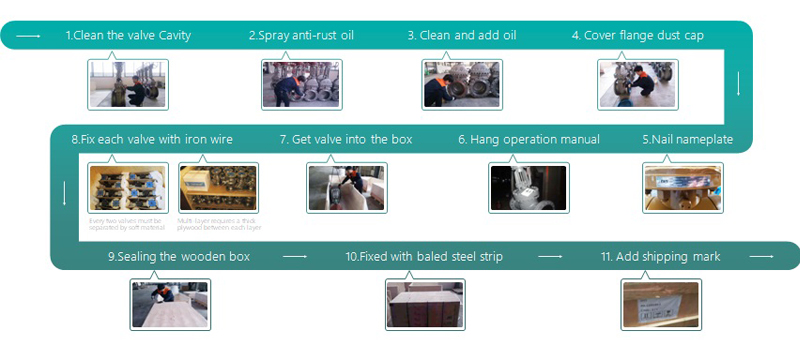
تغليف ديرفوس
يعد التغليف جزءًا مهمًا لا يمكننا إهماله أبدًا. لدى Dervos عملية تغليف لكل طلب لضمان تسليم الطلب بشكل آمن وواضح.
إذا كنت مهتما في منتجاتنا و تريد أن تعرف المزيد من التفاصيل,يرجى ترك رسالة هنا وسوف نقوم بالرد عليك بأسرع ما يمكن.
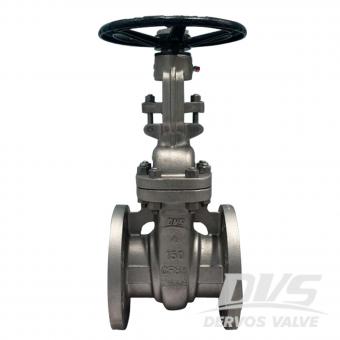
صمام البوابة 4 بوصة 150LB مصنوع وفقًا لـ API 603 معيار. جسم الصمام مصنوع من ASTM A351 CF8M+STL. لديها الخصائص الهيكلية لغطاء الترباس والإسفين المرن والساق المرتفعة. إنه يتوافق الاختبار والفحص مع API 598 و وضع التشغيل الخاص به هو تشغيل عقارب.
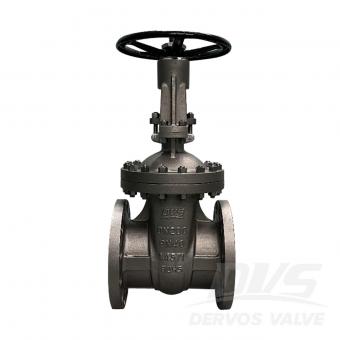
صمام البوابة DN200 PN40 مصنوع وفقًا لـ EN1984 معيار. جسم الصمام مصنوع من 1.4571+STL. لديها الهيكلية خصائص غطاء الترباس، البوابة المرنة، الجذع المرتفع والقوس. اتصالها الوضع هو EN1092-1/B. ولها وضع تشغيل عجلة اليد.
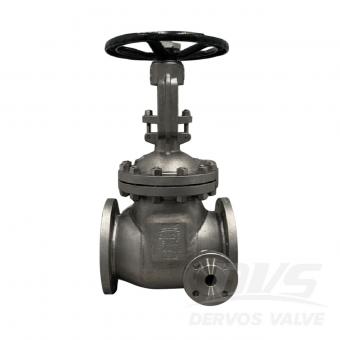
يتم تصنيع صمام البوابة DN125 PN16 وفقًا لـ DIN 3352 معيار. جسم الصمام مصنوع من 1.4408. لديها الهيكلية خصائص غطاء الترباس، ارتفاع الجذع، إسفين مرن، مع SS316 سترة عازلة وطول هيكلي 325 ملم. وضع الاتصال الخاص به هو RF EN1092-1 B1. ولها وضع تشغيل عجلة اليد.
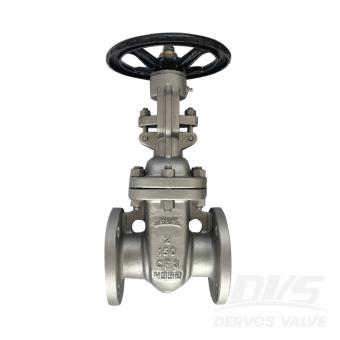
صمام البوابة 2 بوصة 150LB مصنوع وفقًا لـ API 600 معيار. جسم الصمام مصنوع من A351 CF3. لديها الهيكلية خصائص غطاء الترباس، وارتفاع قوس الجذعية. وضع الاتصال الخاص به هو RF. ولها وضع تشغيل عقارب.
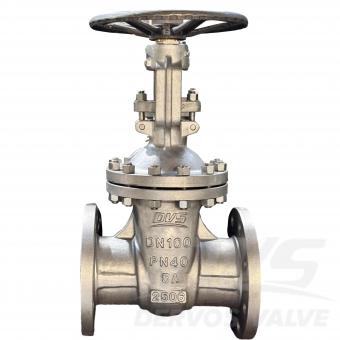
صمام البوابة المزدوج DN100 PN40 5A مصنوع من الفولاذ المقاوم للصدأ، ومصنوع وفقًا لمعيار EN 1984. جسم الصمام مصنوع من مادة ASTM A995 5A+STL. يتميز بخصائص هيكلية: تجويف كامل، غطاء مُثبت بمسامير، ساق صاعدة مع نير، وتد مرن. وضعية التوصيل هي EN1092-1 B1، ويعمل بعجلة يدوية.
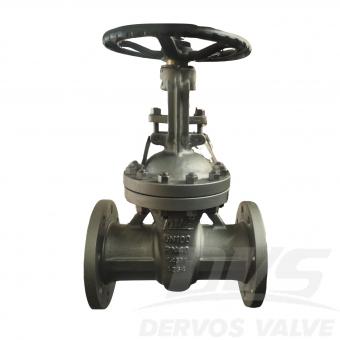
صمام البوابة المصنوع من الفولاذ المقاوم للصدأ DN100 PN40 مُصنّع وفقًا لمعيار EN 1984. جسم الصمام مصنوع من سبيكة X6CrNiMoTi17-12-2. يُستخدم الفولاذ المقاوم للصدأ EN 1.4571 (AISI 316Ti) على نطاق واسع في التطبيقات ذات درجات الحرارة المتوسطة إلى العالية، حيث تكون مقاومة التآكل بين الحبيبات والتآكل الكلوريدي المعتدل مطلوبة، وخاصة في الأنظمة الملحومة التي لا تخضع لمعالجة حرارية بعد اللحام. طريقة توصيله هي EN558، وهو مزود بعجلة يدوية. operation mode. Product Parameters Type Stainless Steel Gate Valve Size DN100 Pressure PN40 Connection EN 558 Operation Hand Wheel Body Material X6CrNiMoTi17-12-2 Design Norm EN 1984 Face to Face dimension EN 1092 End connection EN 558 Test & Inspection Code EN 12266-1,2 Temperature -29 ~ 425°C Applicable Medium Water, Oil and Gas Features 1.Made from EN 1.4571 stainless steel, offering excellent corrosion resistance and high-temperature stability for PN40 pressure applications. 2.Gate valve design compliant with EN 1984 ensures reliable shutoff and long service life in industrial piping systems. Technical Drawing Dimension Checking Pressure Testing Spectrum Nameplate & Packing
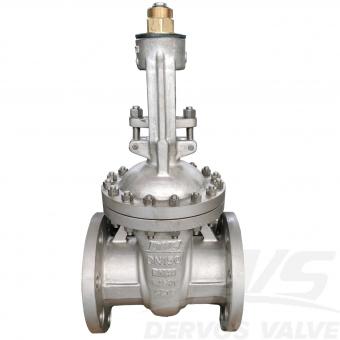
صمام البوابة المصنوع من الفولاذ المقاوم للصدأ DN150 PN40 مُصنّع وفقًا لمعيار EN 1984. جسم الصمام مصنوع من سبيكة X6CrNiMoTi17-12-2. يُستخدم الفولاذ المقاوم للصدأ EN 1.4571 (AISI 316Ti) على نطاق واسع في التطبيقات ذات درجات الحرارة المتوسطة إلى العالية، حيث تكون مقاومة التآكل بين الحبيبات والتآكل الكلوريدي المعتدل مطلوبة، وخاصة في الأنظمة الملحومة التي لا تخضع لمعالجة حرارية بعد اللحام. طريقة توصيله هي EN558، وهو مزود بعجلة يدوية. operation mode. Product Parameters Type Stainless Steel Gate Valve Size DN150 Pressure PN40 Connection EN 558 Operation Hand Wheel Body Material X6CrNiMoTi17-12-2 Design Norm EN 1984 Face to Face dimension EN 1092 End connection EN 558 Test & Inspection Code EN 12266-1,2 Temperature -29 ~ 425 °C Applicable Medium Water, Oil and Gas Features 1.EN 1.4571 stainless steel construction provides strong resistance to pitting and stress corrosion in aggressive media. 2.DN150 PN40 configuration designed to EN 1984 standard ensures stable operation and tight isolation in medium-pressure pipelines. Technical Drawing Dimension Checking Pressure Testing Spectrum Nameplate & Packing
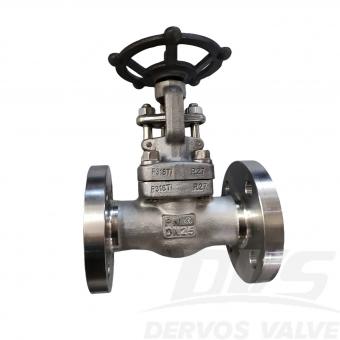
صمام بوابة ذو حافة DN25 PN40 مصنوع وفقًا لمعيار API602. جسم الصمام مصنوع من سبيكة الألومنيوم A182-F316Ti. طريقة توصيله هي EN1092-1 B1. وهو مزود بعجلة يدوية. وضع التشغيل. معايير المنتج يكتب صمام بوابة من الفولاذ المقاوم للصدأ مقاس DN25 ضغط PN40 اتصال EN1092-1 B1 عملية عجلة يدوية مادة الجسم A182-F316Ti معيار التصميم API 602 أبعاد الشفة EN 1092 المادة مطابقة AISI/ASTM قانون الاختبار والتفتيش EN 12266 درجة حرارة -29 ~ 120 درجة مئوية الوسيلة المناسبة الماء والنفط والغاز سمات 1. يوفر الهيكل المصنوع من الفولاذ المقاوم للصدأ F316Ti مقاومة معززة للتآكل بين الحبيبات والخدمة في درجات الحرارة المرتفعة. 2. صمام البوابة DN25 PN40 المصمم وفقًا لمعيار API 602 مع شفة EN1092-1 B1 يضمن التشغيل المستقر والعزل المحكم في خطوط أنابيب العمليات. الرسم الفني فحص الأبعاد اختبار الضغط نطاق تقرير التفتيش
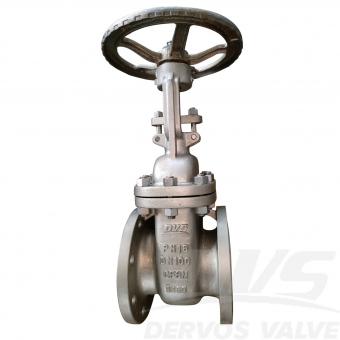
صمام البوابة المصنوع من الفولاذ المقاوم للصدأ DN100 PN16 مُصنّع وفقًا لمعيار DIN 3352. جسم الصمام مصنوع من الفولاذ A351 CF8M+STL. يتميز بخصائص هيكلية تشمل غطاءً مثبتًا بمسامير، وساقًا صاعدًا، ووتدًا مرنًا، وأبعادًا من وجه إلى وجه وفقًا لمعيار DIN 3202-F4. طريقة توصيله هي التردد اللاسلكي (RF). كما أنه مزود بمقبض. وضع التشغيل. معلمات المنتج النوع صمام بوابة من الفولاذ المقاوم للصدأ الحجم DN100 الضغط PN16 التوصيل تردد لاسلكي تشغيل مقبض مادة الهيكل A351 CF8M+STL معيار التصميم DIN 3350 وجهاً لوجه DIN 3202-F4 أبعاد الشفة EN 1092-1 رمز الاختبار والفحص EN 12266 درجة الحرارة - 29 ~ 425 درجة مئوية الوسط المناسب الماء والزيت والغاز الميزات 1. تصميم صمام البوابة المصنوع من الفولاذ المقاوم للصدأ ذو الساق الصاعدة يضمن تحكمًا دقيقًا في التدفق وإغلاقًا محكمًا 2. مصنف PN16 مع شفة RF ومتوافق مع DIN 3352، ويتم تشغيله بواسطة مقبض لسهولة التحكم اليدوي. الرسم الفني فحص الأبعاد اختبار الضغط الطلاء لوحة الاسم والتعبئة تقرير الفحص


حقوق النشر © 2015-2026 DERVOS VALVE CO.,LTD.كل الحقوق محفوظة مدونة / خريطة الموقع / XML / سياسة الخصوصية